Mashujaa Day 2026: A Presidential visit must honour heroes, open doors and leave no Kenyan behind
 The Mt Kenya Times
By Mr. Fredrick Kipchumba Chelimo – PWD
Email; fkipchelimo@yahoo.com
As Kenya prepares to celebrate Mashujaa Day on 20 October 2026 at Kipchoge Keino Stadium in Eldoret, the North Rift stands at a defining moment. The joint hosting by Uasin Gishu, Nandi and Elgeyo Marakwet counties offer more than an opportunity to decorate streets, rehabilitate roads, showcase development projects and welcome the President. It presents a national test of whether Kenya can turn public celebrations into meaningful participation, responsive leadership and inclusive development. The central question is not simply what President William Ruto will see during his visit, but whose realities he will hear, whose progress he will witness and whose concerns will shape the promises made.
Mashujaa Day is a national remembrance of the men and women whose courage, sacrifice and determination helped build Kenya. Yet heroism is not confined to the history books or the distinguished citizens honoured at official ceremonies. It is also found in farmers struggling against unpredictable weather, young people searching for decent employment, athletes overcoming difficult circumstances, women sustaining households, and persons with disabilities confronting barriers that society too often mistakes for personal limitations. A celebration that honours these citizens symbolically while excluding them practically risks contradicting the very spirit of the occasion.
The scheduled presidential visit matters because national leadership can bring visibility, urgency and accountability to challenges that have persisted for years. When the Head of State visits a region, inspects projects and engages communities, he can help accelerate stalled initiatives, demand explanations for unfulfilled commitments and align national and county priorities. But the value of such a visit should not be measured by the length of the motorcade, the size of the crowds or the number of projects displayed. Its true measure will be whether it leaves behind better services, stronger livelihoods, clearer commitments and a public that feels genuinely included in its country’s development.
In Uasin Gishu, the inspection of Kipchoge Keino Stadium is particularly significant. Beyond providing a venue for the national celebration, the facility represents the relationship between sports infrastructure, youth opportunity, tourism and the identity of Eldoret as a city associated with world-class athletes. The President’s visit should therefore look beyond construction progress and ask how the stadium will serve local talent, create employment, stimulate businesses and remain accessible to spectators and participants with disabilities. Ramps, accessible seating, toilets, parking, clear signage, safe evacuation arrangements and inclusive transport are not decorative additions. They are essential requirements of a public facility intended to serve the entire nation.
The proposed focus on water and irrigation projects, including Kerita Dam and other agricultural initiatives in the region, is equally important. North Rift farmers are central to Kenya’s food security, yet agricultural potential cannot be fully realised where water infrastructure fails to translate into reliable access for farms and households. A presidential tour should connect completed or ongoing projects to practical questions: who receives the water, how many farmers benefit, what support is available for smallholders, and how irrigation can improve production, incomes and resilience to climate change? In Moiben, Ziwa and other agricultural areas, development must ultimately be measured in better harvests, stronger markets and households able to withstand economic shocks—not merely in visible construction.
Visits to health facilities, markets, roads and education institutions across the three counties should follow the same principle. In Uasin Gishu, attention to Siwa Level Five Hospital and urban services can help expose gaps in healthcare access, emergency response, sanitation and mobility. In Nandi, agricultural value chains, markets, healthcare and education deserve attention alongside the region’s sporting and cultural strengths. In Elgeyo Marakwet, water security, road connectivity, environmental conservation and the development of athletic talent in Iten and surrounding communities offer opportunities to connect public investment with rural livelihoods. These visits should be guided by evidence, community testimony and transparent follow-up, rather than the temptation to present every project as a completed success.
Yet amid these development priorities, one question demands particular presidential attention: are persons with disabilities being included in the planning, preparation, economic opportunities and actual celebration of Mashujaa Day?
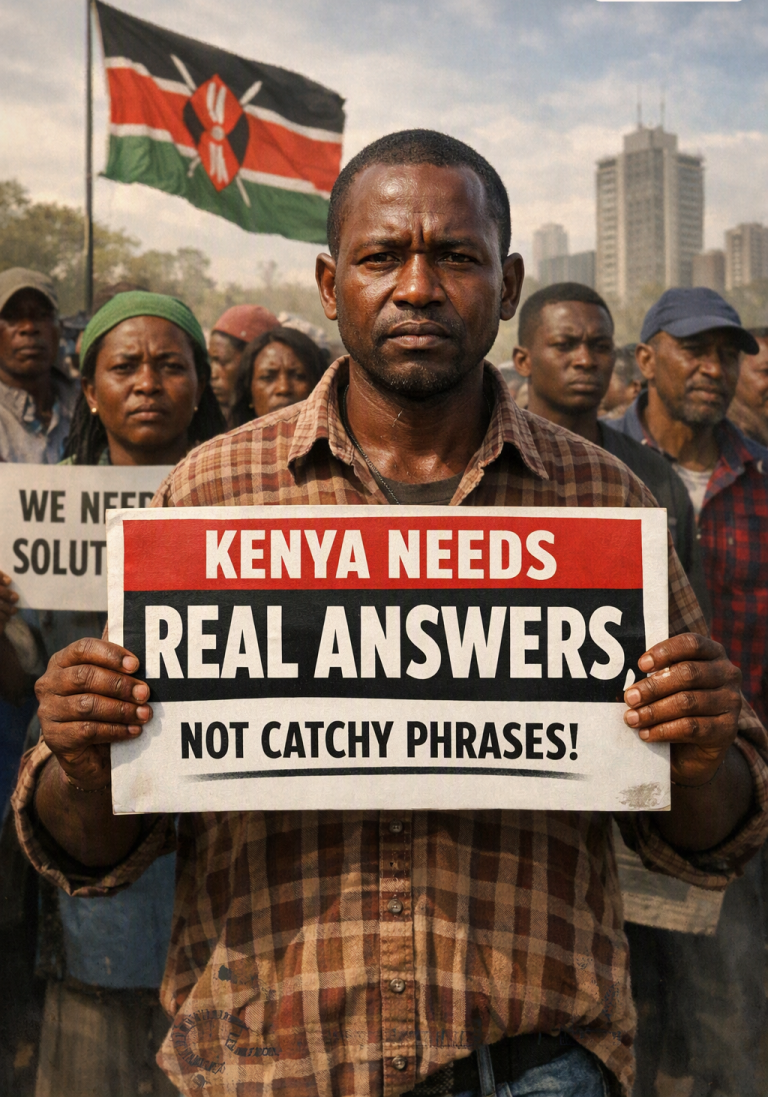
This question is especially urgent in Uasin Gishu, where persons with disabilities have recently raised their voices over the delayed county disability empowerment allocation, reported as KSh15 million, and demanded accountability and action. Their concerns cannot reasonably be separated from a national event whose declared purpose is to honour citizenship, sacrifice and the contribution of every Kenyan. When people must demonstrate, organise and repeatedly petition authorities to be heard, the issue is no longer merely about a fund. It is about trust, public accountability and whether vulnerable citizens can influence decisions that directly affect their lives.
The President should therefore find time in his schedule for a substantive meeting with representatives of persons with disabilities from Uasin Gishu, Nandi and Elgeyo Marakwet. This should not be a hurried greeting or a photograph designed to demonstrate goodwill. It should be an opportunity to hear concerns directly, establish the status of disability empowerment commitments, discuss employment and procurement opportunities, and identify practical measures to improve accessibility and participation. The engagement should produce clear commitments, responsible offices and realistic timelines for reporting progress.
The Constitution, particularly Articles 10 and 54, establishes inclusion, equality, dignity and the rights of persons with disabilities as national obligations. The Persons with Disabilities Act, 2025, which commenced on 27 May 2025, strengthens the framework for advancing these rights. These provisions require more than ceremonial acknowledgement. They demand that disability inclusion be considered when projects are designed, budgets allocated, services delivered and public participation organised. Mashujaa Day preparations—including transport, public health, security, entertainment, street improvements and stadium arrangements—must therefore be reviewed through an accessibility lens. Persons with disabilities and their representative organisations should be consulted, not treated as an afterthought.
Inclusion must also have an economic dimension. Local businesses owned by persons with disabilities should have fair opportunities to supply goods and services, while qualified PWDs should be considered in temporary employment, exhibitions, cultural activities and other opportunities arising from the celebrations. Accessible information, sign-language interpretation where required, appropriate seating and assistance for people with mobility, visual or hearing impairments should be built into the arrangements. A celebration is not inclusive simply because a person with a disability can enter the venue; it is inclusive when that person can participate safely, meaningfully and with dignity.
The three county governments, national organising teams, the National Council for Persons with Disabilities and disability organisations should work together to verify arrangements and publish practical commitments. The same accountability should extend beyond 20th October, with follow-up at agreed intervals so that the event’s promises are not forgotten once the flags come down and visitors depart.
Ultimately, the North Rift should welcome the President with pride, but also with honest expectations. Mashujaa Day must be an opportunity to celebrate achievement while confronting unfinished business. The dams must serve farmers, hospitals must serve patients, roads must connect communities, stadiums must unlock opportunity, and public programmes must reach citizens who have too often been left at the margins.
On 20th October, H.E President Ruto has an opportunity to demonstrate that inclusion is not merely a word in a speech or a provision in law. By meeting persons with disabilities, listening to their concerns and making commitments that can be measured, he can give practical meaning to the national values being celebrated. Kenya’s heroes did not struggle for a country in which some citizens watch progress from the sidelines. They struggled for a nation in which dignity and opportunity belong to all.
Mashujaa Day will be most meaningful when the North Rift does not merely host the nation, but helps show what an inclusive nation looks like. No hero should be left behind, and no Kenyan should have to fight for the simple right to belong.
Similar Posts by The Mt Kenya Times:
- Turkey seek new direction after Montella’s exit
- Arsenal target top spot as United and Spurs face make-or-break clash
- Ruba A. Al-Zubi: A visionary leader shaping climate policy and sustainable development
- Cartels in court, monopolies on thrones: The ironic economics of Kenya’s competition crusade
- Jolly Phonics: Making early reading click for Kenya’s youngest learners
About the Author