Africa can’t wait: Continent seeks $1 trillion for climate adaptation
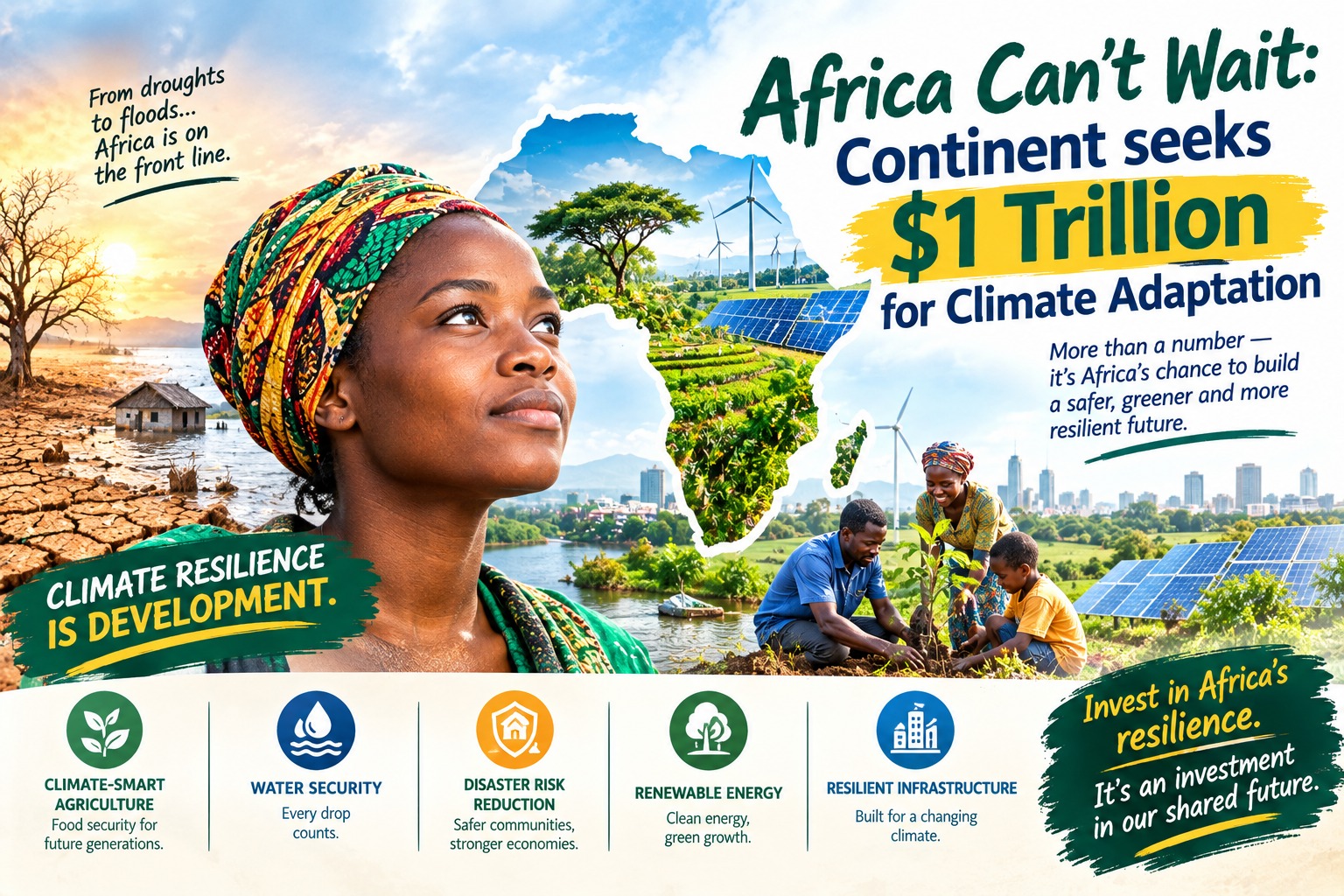
Faith leaders and climate justice advocates are demanding grants, not loans, as Africa bears the heaviest cost of a crisis it did the least to create.
By Benard Mulwa
Interfaith leaders and climate justice advocates yesterday called on industrialised nations to honour their climate finance commitments to Africa, demanding grants rather than loans to fund adaptation, address loss and damage, and support communities already living with the consequences of a warming planet.
Speaking at a joint press conference in Nairobi under the theme “Africa Can’t Wait,” representatives of faith communities, governments and civil society organisations united their voices ahead of upcoming international climate negotiations, insisting that decades of unfulfilled pledges have exhausted the continent’s patience and that the time for action is now.
The gathering was deliberately interfaith in character, drawing together leaders from across Africa’s major religious traditions to signal that the demand for climate justice is not a political position but a moral one. The leaders were clear about what compelled them to speak. Africa is a profoundly religious continent, they argued, and faith communities carry a responsibility to raise their voices when injustice is being perpetuated against the people they serve. “We are seeking to amplify our voices as a faith community because Africa, as it is, is a religious continent influenced by all our faiths. We are oriented around our faith, and our faith invites us to speak out,” one leader said. That faith, they made plain, will not permit silence in the face of what they described as a systematic and ongoing injustice with consequences measured in human lives.
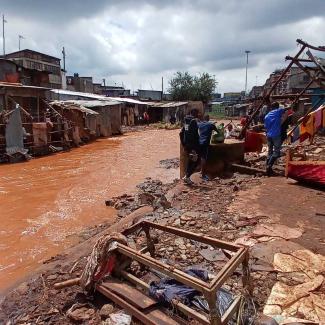
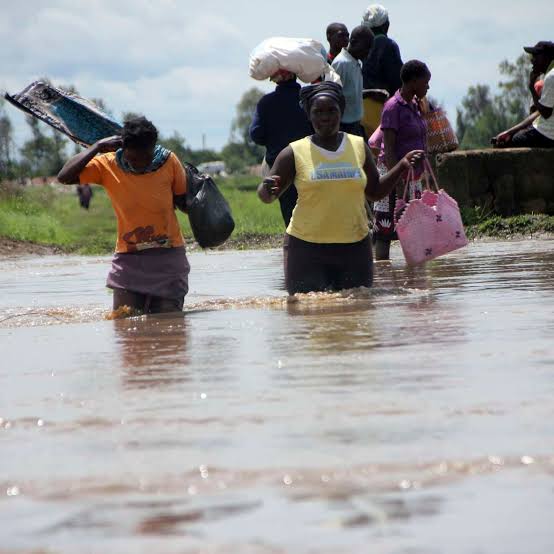
The injustice they named is stark and the numbers support it. Africa contributes approximately three to four percent of global greenhouse gas emissions — a fraction of what industrialised nations have released into the atmosphere over more than a century of economic expansion. Yet the continent absorbs some of the most severe and accelerating consequences of the resulting climate instability. Droughts are deepening across the Horn of Africa and the Sahel. Floods are displacing communities from Mozambique to Nigeria. Harvests are failing with increasing frequency. Water supplies that entire populations depend on are shrinking. For millions of Africans, the climate crisis is not a future threat requiring long-term policy responses. It is a present emergency requiring immediate action. “It is sad that Africa contributes the least to greenhouse gas emissions, yet Africa suffers the brunt of climate catastrophes. That is why we are here — not to remain silent in the face of catastrophe and injustice,” a leader told the gathering.
The leaders set out their demands without qualification. No more pledges without delivery. No adaptation programmes without the financing to sustain and scale them. And crucially, no more loans packaged as climate support. The argument was both moral and economic: asking African nations to borrow money to address a crisis overwhelmingly created by wealthier economies compounds an injustice rather than remedying it. African governments already operating under significant fiscal pressure cannot responsibly add climate debt to the structural burdens they are managing. Grants, the leaders insisted, are not a concession — they are the minimum that historical responsibility demands.
The $1 trillion figure cited by climate finance advocates reflects the estimated annual investment Africa requires to adapt its infrastructure, agricultural systems, coastal defences and water management to the realities of a warming world. The gap between that figure and the climate finance actually delivered to Africa in recent years is not merely a budgetary shortfall. It represents a widening divergence between what was promised in international forums and what has materialised in practice. The faith leaders in Nairobi joined a growing chorus of African governments, civil society organisations and development economists who have argued that the current international climate finance architecture is failing the continent it was designed to support.
The leaders did not confine their accountability demands to industrialised nations. In a move that distinguished their intervention from straightforward external advocacy, they pledged to hold African governments equally responsible for how climate funds are managed and distributed once they arrive. They proposed the establishment of country coordinating mechanisms — oversight bodies that would bring together governments, civil society, women’s organisations, Indigenous communities, persons with disabilities and other groups whose perspectives are routinely marginalised in climate policy discussions. The argument was practical as much as principled. Climate finance that flows into national systems without transparent, inclusive oversight tends to concentrate among well-connected institutions rather than reaching the farmers, fishing communities and urban residents most exposed to climate impacts.
Inclusive participation, the leaders stressed, is not an administrative detail. It is the mechanism through which climate finance can be made to deliver measurable, equitable benefits rather than becoming another layer of international funding that moves through governments and organisations without transforming the lives of the people it was intended to help.
The gathering also condemned what the leaders described as the politicisation and commercialisation of the climate crisis. Treating climate impacts as leverage in geopolitical negotiations or as investment opportunities for financial institutions, they argued, represents a failure of responsibility when communities are losing homes, livelihoods and lives to events directly connected to emissions they did not produce. “We are here to say no to any form of injustice that impacts the people of Africa,” the leaders declared, in language that was neither diplomatic nor ambiguous.
As preparations for the next round of international climate negotiations advance, the Nairobi gathering adds a distinctly moral register to demands that are often framed in technical and financial terms. Faith communities across Africa reach into the daily lives of hundreds of millions of people. Their capacity to mobilise public attention, shape community responses and hold governments accountable for commitments made in their names is significant. When those communities speak with one voice on an issue of this scale, the message carries weight that technical reports and policy papers cannot replicate.
The message from Nairobi was simple, direct and long overdue: Africa has waited long enough, the promises have been counted and found wanting, and faith communities across the continent will not remain quiet while their congregations pay the price of someone else’s emissions.
Climate finance must move from pledge to payment. For Africa, the waiting is over.
Similar Posts by The Mt Kenya Times:
- Mt Kenya Times ePAPER October 23, 2026
- Ruto’s parting COMESA call: Remove the barriers, honour the commitments
- Direct hospital access to KEMSA cuts drug delays, says PS
- Ruto passes the baton as Africa’s trade bloc faces a fragmenting world
- Kenya’s recall law: Parliament sets the threshold — but the real test comes in 2027
About the Author