KEPSA Celebrates Dropping Of Contentious Clauses On Finance Bill 2024
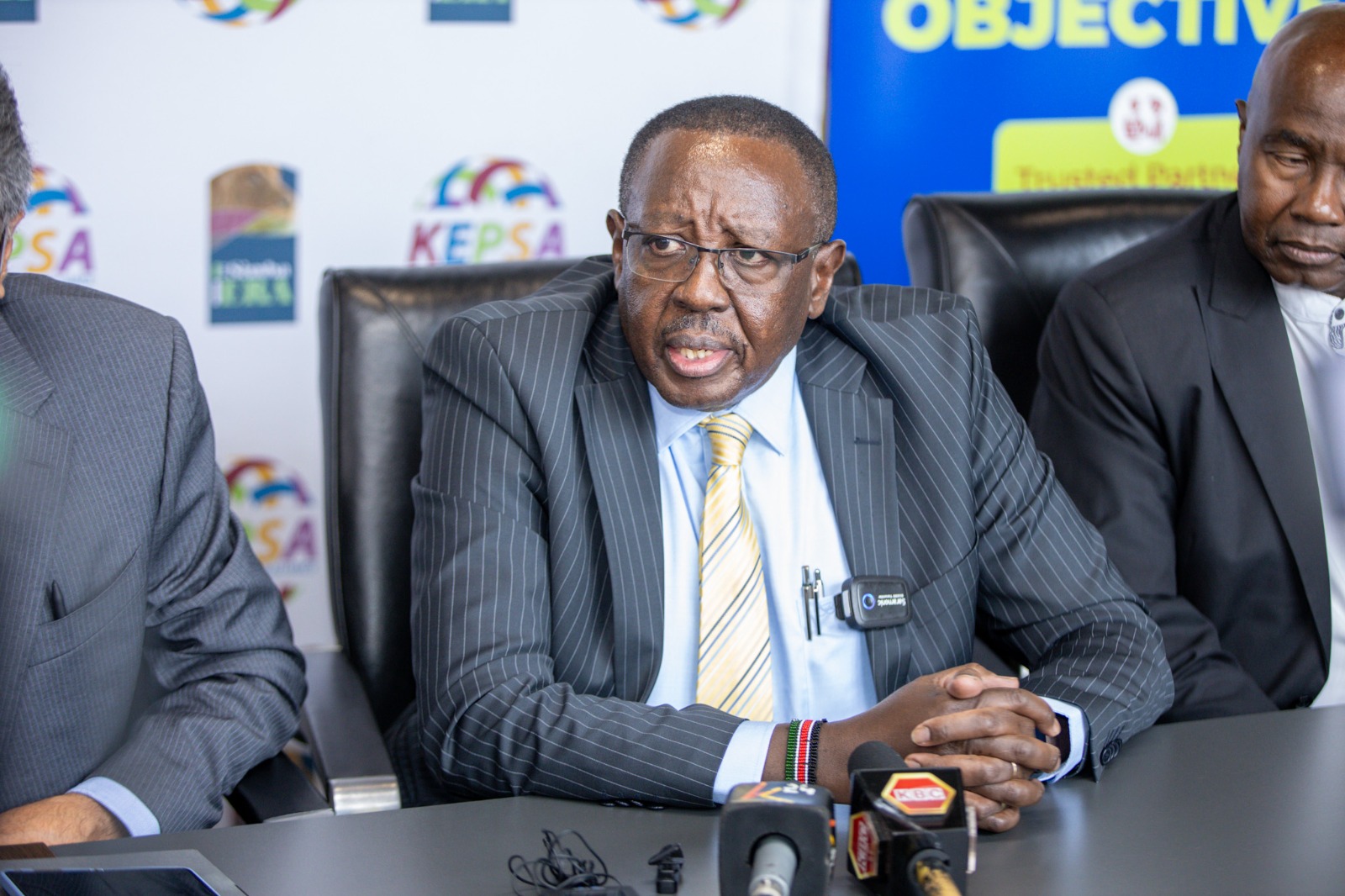
Eng. James Mwangi, KEPSA Director, Energy and Professional Services
By: John Kariuki
The Kenya Private Sector Alliance (KEPSA) is proud to announce a series of major victories in shaping the Finance Bill 2024 following the advocacy efforts with the three arms of the Government. The active public participation has led to the Finance and National Planning Committee of the National Assembly making critical adjustments to the proposed Bill. Impressively, 10 out of the 16 amendments were directly influenced by submissions from the private sector and KEPSA Members through KEPSA.
“We, as businesses, acknowledge and take seriously paying taxes as our civic duty. We know the country needs to grow economically and are doing our best to generate revenue. However, we also know that a predictable tax regime and focus on revenue generation policies in the short to long term will give the country both job opportunities and revenue rather than a focus on tax policies alone. We, therefore, applaud the National Assembly through the Finance and National Planning Committee, the Senate through the Speaker’s Roundtable held last week, and the President through the Presidential Roundtable, which we also held last week, for the opportunities to make our proposals leading to these gains,” said Ms Carole Kariuki, the KEPSA CEO.
Some of the gains for KEPSA include: The removal of VAT on normal bread, The removal of VAT on sugar transportation, The removal of VAT on financial services and foreign exchange transactions, There will be no increase in mobile money transfers, The 2.5 percent proposed on Motor Vehicle Tax has been removed, and Excise duty on vegetable oil removed.
The Eco Levy will be levied only on imported finished products. Locally manufactured products will, therefore, not attract the Eco Levy. As a result, local assembly and manufacturing will help boost Kenya’s manufacturing capacity, create jobs, and eliminate the pressure on foreign exchange.
Locally manufactured products, including sanitary towels, diapers, phones, computers, tyres, and motor cycles, will not attract the Eco Levy.
The excise duty for alcoholic beverages will be calculated based on alcohol content rather than volume. This means that beverages with higher alcohol content will incur a higher excise duty. As a result, alcohol producers are anticipated to produce safer and more cost-effective alcoholic beverages.
Pension contributions exemption from tax will now increase from Ksh. 20,000 per month to Ksh. 30,000.
KEPSA also welcomes the proposal to increase the threshold for VAT registration from KSh5 million to KSh8 million. This means that more small and medium businesses will not be required to register and file for VAT, thus enhancing the business environment.
In addition to KEPSA’s proposals, other adjustments have been made to the Finance Bill 2024.
The levies on the Housing Fund and Social Health Insurance will become income tax deductible. This means the levies will not attract income tax, enhancing households’ disposable income.
The responsibility for electronic invoicing E-TIMS, recently introduced by KRA, has been withdrawn from farmers and small businesses with a turnover of below Ksh. 1 million.
KEPSA commits to continue actively engaging the three arms of the government in a bid to advocate for policies and legislation that promote a conducive business environment and make the economy competitive both locally and globally. Therefore, the private sector apex body welcomes these adjustments to the Finance Bill 2024 and applauds this Government for its keenness to engage the private sector and the public as a social and economic partner.
Similar Posts by The Mt Kenya Times:
- Mt Kenya Times ePAPER October 24-25, 2026
- Muturi calls on IEBC to keep election technology tender clean and on schedule
- Ruto meets UAE minister in push to deepen trade ties
- Gideon Moi breaks silence on Ruto fallout, cites broken promises
- The doctor who refused to abandon a sick Uganda
About the Author