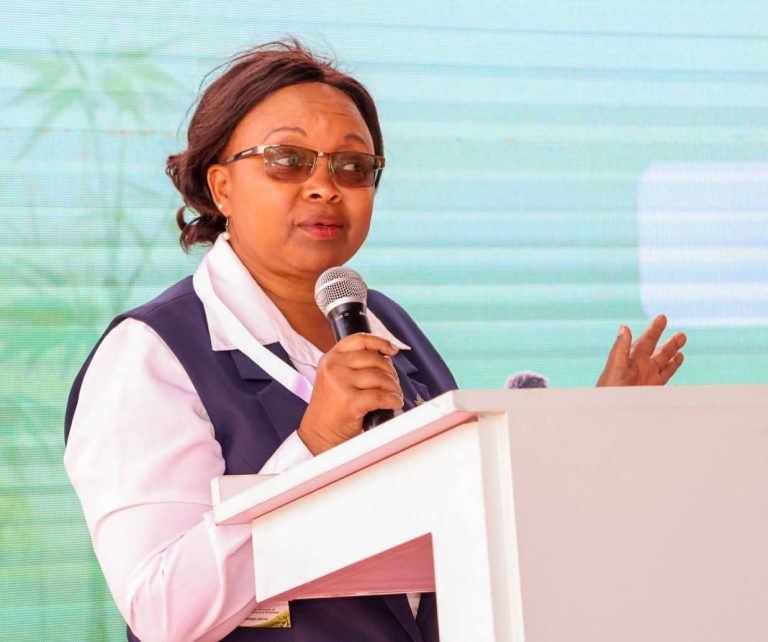
Edith Awino , Environmentalist and a Climate Change activist

By: Edith Awino
In the 19th century, women recognized the intrinsic value of the environment and took significant steps to protect it, prevent pollution, and ensure its preservation for future generations. Their early efforts laid the foundation for the critical role women continue to play in the conservation sector today. Women have consistently demonstrated resilience and commitment, overcoming doubts and challenges to contribute substantially to sustainable development and biodiversity reform alongside their community.
Dorothy Jebet stands out as a leading advocate in promoting forestry education and highlighting the benefits of environmental education. Her work has inspired many other women to establish organizations focused on advocating for environmental education, further amplifying the impact of their collective efforts. Technology has played a pivotal role in amplifying women’s voices and recognizing their contributions to environmental conservation. International organizations like Women’s Earth Alliance support women leaders tackling critical environmental issues such as climate change and food security.
Women entrepreneurs have leveraged technology to create innovative solutions for environmental challenges, particularly in waste management. For instance, Ocean Sole Africa, a women-led organization, collects waste materials from beaches and coastal waters in Kenya, transforming them into products for sale. This initiative not only provides a source of income but also contributes significantly to waste reduction along the Kenyan coast.
Despite the unique challenges women face, they have demonstrated remarkable leadership and tenacity in environmental conservation. Professor Wangari Maathai, a staunch advocate of the greening project, is a prime example. Her achievements garnered global attention, paving the way for youth and women in Africa to gain support and empowerment, thereby highlighting their crucial role in promoting and developing initiatives with significant implications for environmental management.
Phyllis Omido, known as the “East African Brockovich,” has been a formidable force in the campaign against heavy metals. She stood against lead pollution from a smelting plant in Mombasa, advocating for the affected community despite facing considerable opposition. Her efforts led to the closure of the plant, demonstrating the power and impact of determined advocacy.
The extraordinary contributions of women in conservation worldwide deserve recognition and celebration. It is imperative to provide women with more platforms to champion environmental conservation globally, unlocking their potential for a sustainable future. Women’s involvement in environmental initiatives not only enriches the sector with diverse perspectives but also ensures the development of innovative solutions to the environmental challenges we face today.
Finally, the role of women in environmental conservation is indispensable. From historical efforts to contemporary advocacy and technological innovation, women have continually proven their ability to drive significant positive change. By recognizing and supporting their contributions, we can ensure a more inclusive and effective approach to environmental conservation, ultimately leading to a more sustainable and equitable future for all.
Edith Awino , Environmentalist and a Climate Change activist
Similar Posts by The Mt Kenya Times:
- Azimio is dead. Long live the Ukombozi Alliance
- Court frees former presidents to play politics
- Ruto tells UN: Africa’s crisis is rigged rules, not empty coffers
- Njogu’s diaspora agenda gains fresh impetus as Kenya launches investment platform
- Eldoret to host 2026 UN Tourism Week: Can the North Rift redefine Kenya’s tourism story?
About the Author