Donkeys

By MKT Reporter
The government established a 100-day Rapid Results Initiative (RRI) on April 16 to enforce rules and regulations to address concerns over illegal donkey slaughter and trafficking and save the donkey from extinction.
The initiative targets 12 counties affected by the menace, including Turkana, Kajiado, Nairobi, Bomet, Kitui, Machakos, Embu, Narok, Kiambu, Nakuru, Laikipia, and Makueni.
Wanyonyi said Nairobi has been found to be the biggest market for illegal donkey meat, followed by Nakuru and Kiambu.
During this RRI period, 15 cases of illegal donkey meat were arrested, and syndicates in Nairobi were smashed.
A high-level multi-agency meeting spearheaded by animal welfare organisation Brook East Africa and the Ministry of Livestock seeks to address existing gaps used by unscrupulous traders to smuggle donkey meat and skin.
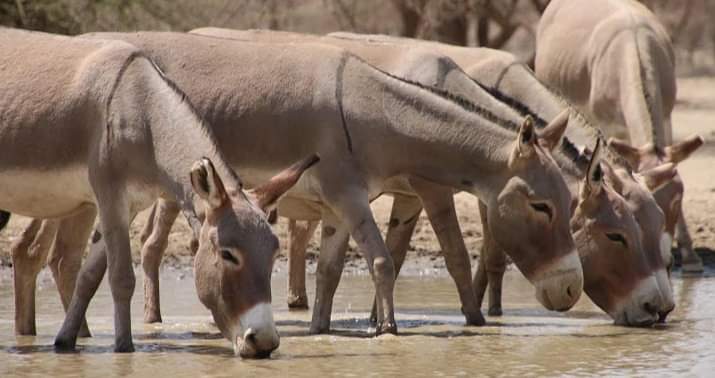
The illegal trade has led to a dwindling population of donkeys in Kenya, from 1.8 million in 2009 to 1.1 million in 2019.
Brooke East Africa Regional Director, Mr. Raphael Kinoti, called on the government to seal all loopholes used to illegally export donkey meat and other products to China, which is the main market for the illegal business.
“But more needs to be done since the trafficking of these donkey products are also transported on the high seas through the ships,” Kinoti revealed, and singled out Kajiado and Turkana Counties as the most affected by the illicit trade.
The global demand for donkey skins and meat is mostly driven by Chinese markets, which use donkey meat and skins to produce snacks, beauty products, aphrodisiacs, anti-ageing products, and traditional medicine.
Kenya is found to be a good source of donkeys due to loopholes in legislation geared towards protecting the donkey.
Similar Posts by The Mt Kenya Times:
- Mt Kenya Times ePAPER August 31, 2026
- Two weekends, two fronts: How DCP is fighting on both sides of the Atlantic
- Kalonzo becoming a movement: The quiet storm that is scaring Ruto
- Sifuna climbing the mountain: Kenya’s political map is being redrawn
- Counting regions, chasing power: Kenya’s road to 2027
About the Author