The Opiate of the Masses: Stripping Away the Role of Religion in Perpetuating Poverty in Contemporary Kenya
 The Mt Kenya Times
Role of Religion in Perpetuating Poverty in Contemporary Kenya
By Jerameel Kevins Owuor Odhiambo
“When the Missionaries arrived, the Africans had the land and the Missionaries had the Bible. They taught us how to pray with our eyes closed. When we opened them, they had the land and we had the Bible.” – Jomo Kenyatta
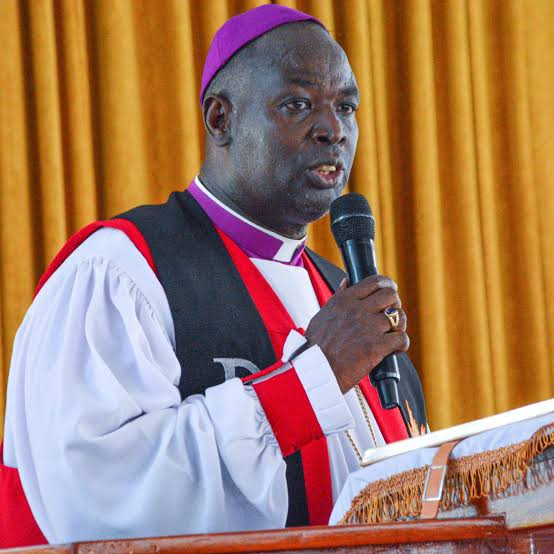
Generally in African history, few threads are as intricately woven and profoundly impactful as that of religion. The words of Jomo Kenyatta, Kenya’s first president, resonate with a piercing truth that echoes through the corridors of time, reverberating in the hearts and minds of Kenyans today. This poignant observation, encapsulating the complex relationship between colonialism, religion, and dispossession, serves as a stark reminder of the double-edged nature of faith in the African context. As this paper examines the role of religion in contemporary Kenyan society, we must grapple with the uncomfortable reality that what was once a tool of colonization has, in many ways, transformed into a mechanism for perpetuating poverty and social inequality. The Bible, once a symbol of colonial imposition, has become deeply entrenched in Kenyan culture, shaping worldviews, influencing decision-making, and, in many cases, diverting attention from the pressing socio-economic challenges that plague the nation.
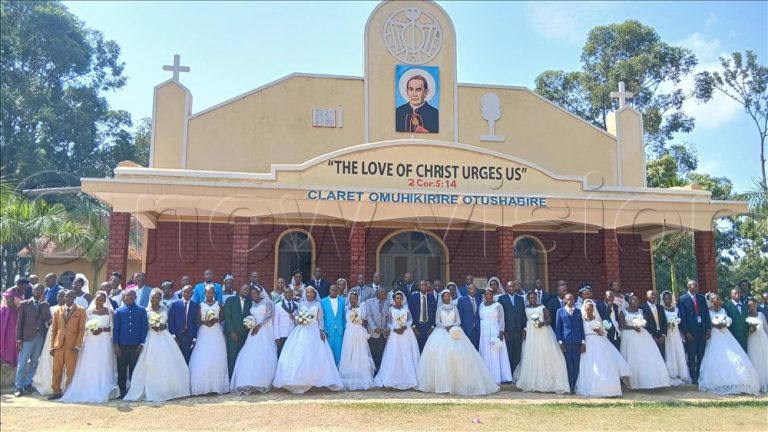
The legacy of missionary activity in Kenya, as in much of Africa, is a complex tapestry of contradictions. While it brought education and healthcare to many communities, it also served as a vanguard for colonial exploitation and cultural erosion. This duality persists in contemporary Kenya, where religious institutions play a significant role in providing social services while simultaneously contributing to a mindset that often prioritizes spiritual salvation over material well-being. The proliferation of churches across Kenya’s urban and rural landscapes stands as a testament to the enduring influence of Christianity, yet it also raises questions about the allocation of resources in a country grappling with widespread poverty. The construction of lavish houses of worship in communities lacking basic infrastructure and services serves as a stark reminder of the misplaced priorities that can arise when faith becomes divorced from the material realities of everyday life.
In the aftermath of colonialism, religion in Kenya has taken on new forms and functions, adapting to the changing socio-political landscape while retaining its grip on the collective psyche of the nation. The rise of prosperity gospel movements, which promise material wealth as a divine reward for faith and financial contributions to religious leaders, has added a new dimension to the relationship between religion and poverty. These teachings, which often emphasize individual spiritual solutions to systemic economic problems, can divert attention and resources away from addressing the root causes of poverty. By promoting a narrative that equates material success with divine favor, such movements risk reinforcing existing inequalities and discouraging critical engagement with the structural issues that perpetuate poverty in Kenyan society.
The intertwining of religion and politics in Kenya further complicates the relationship between faith and economic development. Religious leaders wield significant influence in the political arena, often shaping public discourse and policy decisions. While this influence has at times been used to advocate for social justice and economic empowerment, it has also been leveraged to maintain the status quo and protect vested interests. The tendency of some religious institutions to align themselves with political power structures can result in a tacit endorsement of policies that exacerbate poverty and inequality. This dynamic echoes the colonial-era collusion between religious and political authorities, perpetuating a system where the interests of the elite are prioritized over the needs of the masses.
The impact of religion on education in Kenya is another critical factor in understanding its role in perpetuating poverty. While religious institutions have played a crucial role in expanding access to education, the content and quality of that education often reflect religious biases that may not adequately prepare students for the challenges of a modern, globalized economy. The emphasis on religious instruction in many schools, sometimes at the expense of science, technology, and critical thinking skills, can limit students’ economic opportunities and perpetuate cycles of poverty. Furthermore, the persistence of religiously-influenced attitudes towards issues such as family planning and gender roles can have far-reaching implications for economic development and social mobility.
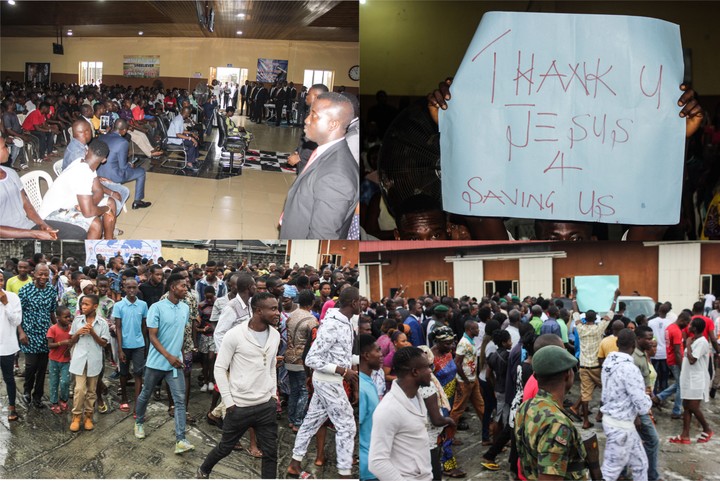
The psychological impact of religious teachings on individual and collective attitudes towards poverty cannot be overlooked. The notion of suffering as a virtue, often promoted in religious contexts, can foster a sense of resignation among the poor, discouraging proactive efforts to improve one’s economic circumstances. Similarly, the emphasis on otherworldly rewards can diminish the urgency of addressing pressing material needs in the here and now. While faith can provide comfort and hope in difficult circumstances, an overreliance on divine intervention as a solution to economic hardship can lead to a dangerous passivity in the face of systemic injustice and exploitation.
The role of international religious organizations in shaping Kenya’s economic landscape adds another layer of complexity to this issue. While many such organizations provide vital humanitarian aid and development assistance, their activities can also perpetuate dependency and undermine local economic initiatives. The influx of foreign religious groups, often with significant financial resources, can distort local economies and create unsustainable patterns of development. Moreover, the ideological influence of these organizations can reinforce neo-colonial power dynamics, imposing Western religious and economic paradigms that may not be compatible with local realities and needs.
The intersection of religion and traditional African cultural practices in Kenya further complicates the relationship between faith and economic development. The erosion of traditional communal support systems and economic practices in favor of individualistic, Western-influenced religious models has, in many cases, weakened social safety nets and exacerbated economic vulnerability. The demonization of certain traditional practices by religious institutions has led to the loss of indigenous knowledge and economic strategies that were well-adapted to local conditions. This cultural displacement, rooted in the colonial encounter but perpetuated by contemporary religious institutions, continues to have profound implications for economic resilience and community well-being in Kenya.
The role of religion in shaping attitudes towards wealth accumulation and distribution in Kenya is a critical factor in understanding its impact on poverty. While many religious teachings emphasize charity and compassion for the poor, the practical application of these principles often falls short of addressing systemic economic inequalities. The tendency to view wealth as a sign of divine blessing can lead to a tacit acceptance of extreme income disparities, undermining efforts to promote more equitable economic policies. Furthermore, the emphasis on individual salvation and personal relationship with the divine can sometimes overshadow the importance of collective action and social responsibility in addressing poverty.
The influence of religion on gender dynamics in Kenya has significant implications for economic development and poverty reduction. Many religious institutions continue to promote traditional gender roles that limit women’s economic participation and autonomy. The persistence of religiously-influenced attitudes towards issues such as women’s education, employment, and property rights contributes to the feminization of poverty in Kenya. By constraining women’s economic opportunities and decision-making power, these religious attitudes perpetuate cycles of poverty that affect entire families and communities.
The relationship between religion and environmental stewardship in Kenya also bears scrutiny in the context of poverty and economic development. While many religious traditions emphasize the importance of caring for creation, the practical application of these teachings has often been lacking. The exploitation of natural resources, often justified through religious narratives of human dominion over nature, has contributed to environmental degradation that disproportionately affects the poor. Climate change, deforestation, and loss of biodiversity, exacerbated by unsustainable practices, pose significant challenges to Kenya’s economic development and threaten to push more people into poverty.
In conclusion, the role of religion in perpetuating poverty in contemporary Kenya is a complex and multifaceted issue that defies simple analysis. From its roots in the colonial encounter to its current manifestations in prosperity gospel movements and political influence, religion continues to shape the economic landscape of Kenya in profound and often problematic ways. While it would be overly simplistic to cast religion solely as a force for economic stagnation – indeed, religious institutions provide vital social services and can be powerful advocates for justice – we must confront the ways in which religious beliefs and practices can contribute to the persistence of poverty. As Kenya grapples with the challenges of development in the 21st century, it is imperative that we critically examine the role of religion in shaping economic attitudes, policies, and outcomes. Only by confronting the legacy of Kenyatta’s observation – the exchange of land for the Bible – and its contemporary implications can we hope to forge a path towards more equitable and sustainable economic development. This requires not only a reimagining of the relationship between faith and material well-being but also a concerted effort to address the structural inequalities and systemic injustices that continue to trap millions of Kenyans in cycles of poverty.
The writer is a legal scrivener and writer
Similar Posts by The Mt Kenya Times:
- Mt Kenya Times ePAPER October 14, 2026
- Kalonzo takes Kenya’s economic case to London
- Court refuses to halt ruling on KSh204B Safaricom share sale
- Kenya’s budget watchdog flags record KSh209B in unplanned government spending
- Opposition cracks widen as Nyoro and Methu trade Ruto bribery claims
About the Author