
By: James Kilonzo Bwire
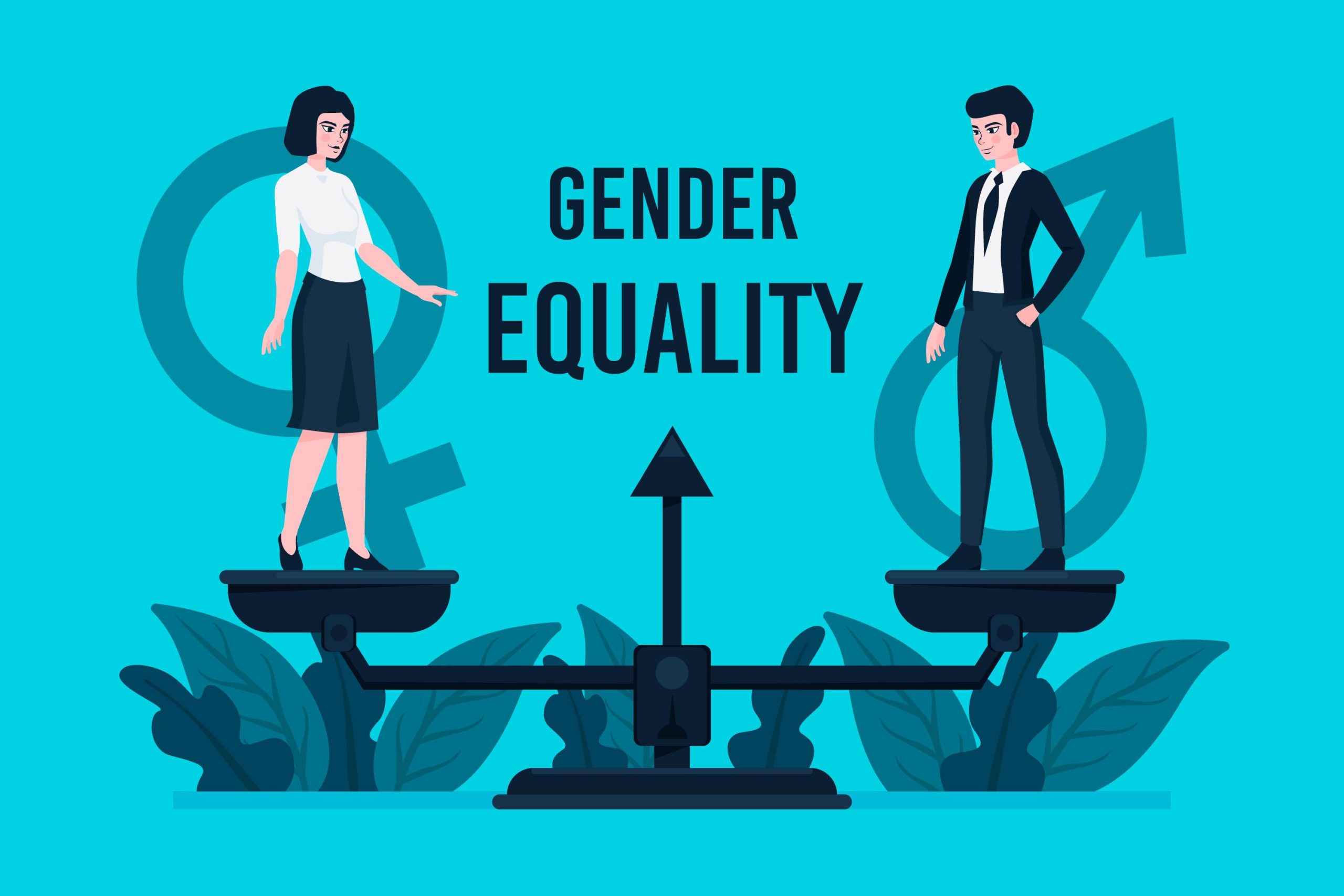
In Kenya, the journey towards gender equity in political representation has seen both progress and persistent challenges. Women’s inclusion in the cabinet and broader government structure is not merely a matter of fairness; it is essential for fostering a more inclusive, effective, and representative governance system. Despite constitutional mandates aimed at promoting gender balance, significant barriers continue to hinder women’s full participation in leadership roles. Recent appointments have seen women constitute approximately 31% of the cabinet, a notable improvement but still below the constitutional requirement that no gender should exceed two-thirds of any elective or appointive body. This underrepresentation is a stark reminder that while strides have been made, the commitment to gender equity in governance remains insufficient.
Several factors impede women’s political participation in Kenya. Patriarchal political structures often confine women to reserved nomination positions, limiting their opportunities for advancement. Political parties frequently favor male candidates, perpetuating a cycle of exclusion that undermines women’s potential in leadership. Moreover, access to electoral financing poses a significant challenge. Women, who often lack control over economic resources due to systemic inequalities, find it difficult to secure the funding necessary for successful campaigns. Only 23% of Kenyan women participate in communal enterprises that could provide financial support, further exacerbating the disparity. Cultural norms and gendered violence also play a critical role in discouraging women from seeking political office. Reports of harassment and violence against female candidates during elections highlight the hostile environment many women face. This not only deters potential candidates but also sends a chilling message about the safety and viability of women in politics.
The Kenyan government has recognized these challenges and is implementing a nine-point agenda aimed at empowering women and promoting inclusivity in governance. This agenda addresses critical areas such as economic empowerment, gender equality in leadership, and combating gender-based violence. However, the effectiveness of these initiatives will depend on genuine political will and commitment from all stakeholders. To truly achieve gender equity in governance, it is imperative to dismantle the barriers that hinder women’s participation. This includes reforming political party structures to ensure that women are not merely relegated to reserved seats but are given equal opportunities to compete for elected positions. Additionally, improving access to campaign financing for women candidates is crucial. Implementing measures such as public funding for women candidates or establishing grant programs could help level the playing field. Furthermore, addressing the cultural norms that perpetuate gendered violence and discrimination is essential. Comprehensive strategies to combat gender-based violence, including legal reforms and community awareness programs, must be prioritized to create a safe environment for women in politics.
The inclusion of women in Kenya’s cabinet and governance is not just a legal obligation; it is a moral imperative that reflects the values of equality and justice. As Kenya strives to fulfill its constitutional mandate for gender balance, it must confront the systemic barriers that impede women’s political participation. By fostering an environment that encourages and supports women in leadership, Kenya can harness the diverse perspectives and talents of its population, ultimately leading to more effective governance and a stronger democracy. The time for action is now; the future of Kenya’s political landscape depends on it.
James Kilonzo Bwire is a Media and Communication student at Masinde Muliro University of Science and Technology kakamega.
Similar Posts by The Mt Kenya Times:
- AI Curse or boon: The Future of Intelligence: Artificial or Emotional?
- Dr. Ekrah Ndung’u wins TVET advocacy award after 12 years
- Mt Kenya Times ePAPER October 17-18, 2026
- Ruto bets billions on Kerio Valley — with one eye on 2027
- Ruto’s health ministry kills Murang’a’s digital hospitals
About the Author