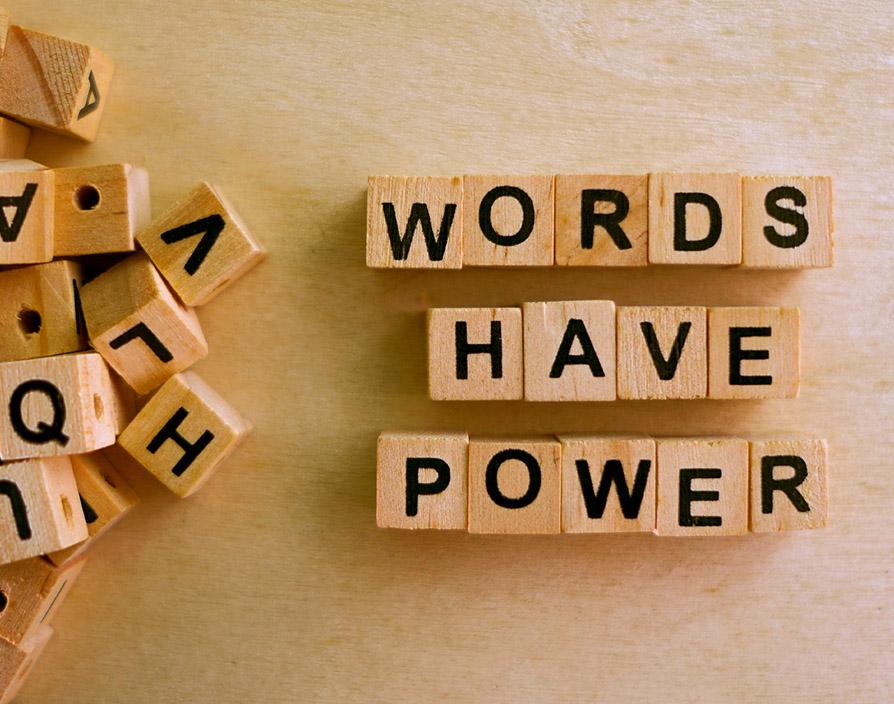
Why the sentences that stay with us longest are rarely the ones we expected
By Ashford Kimani
The words that change our lives are not always spoken from grand podiums. They are not found in famous quotations, bestselling books or carefully crafted speeches. Often, the words that remain with us longest are ordinary ones, spoken in ordinary moments — uttered quietly in a classroom, whispered beside a hospital bed, shared across a kitchen table or offered during a difficult conversation.
A single word may touch an old memory, awaken a buried emotion, restore hope, challenge a painful belief or redirect the course of a life. Its power rarely lies in length, sophistication or literary beauty. It lies in the meaning it carries and the place it finds within another person’s heart.
Two deeply human experiences illustrate this truth. In the first, a young man overwhelmed by grief hears a small child cry out: “Mama.” The word is simple and familiar, spoken countless times every day in homes, schools, markets and playgrounds. Yet for the grieving young man, it becomes something far more. It awakens memories of his late mother and reconnects him to words his therapist had once spoken about her.
In that brief moment, the ordinary becomes deeply personal. The child does not know the emotional weight carried by the word. The cry is spontaneous and innocent — yet it reaches into a place of memory the young man may have struggled to access on his own. It is a reminder that words can travel beyond the moment in which they are spoken. They can cross the distance between the present and the past, between loss and love, between grief and healing.
The second story is equally revealing. A woman recovering from years of abuse is unexpectedly confronted by a simple question: “Where is your home?” To many, the question appears practical, even harmless — the kind asked while filling out a form or making casual conversation. But for someone whose life has been marked by fear, displacement and emotional pain, it carries a far deeper meaning.
Where is home?
The question forces her to confront a painful reality: she no longer feels she belongs anywhere. Home is not merely a house, a town or an address. It is also a place of safety, acceptance, identity and belonging. When those foundations are damaged, the word can become emotionally complicated — evoking comfort for one person and loneliness for another, security for someone who has always belonged, and loss for someone who has been forced to leave.
This is why small words can possess such extraordinary power. Their meaning is never entirely contained in a dictionary. Words gather significance from the lives we have lived, the people we have loved, the places we remember and the experiences we carry. A word such as mother may hold tenderness, sacrifice, grief or longing. Home may contain childhood memories, family, safety, exile or loneliness. Failure may sound like a temporary setback to one person but feel like a permanent verdict to another.
Language is personal because memory is personal.
The same sentence may pass unnoticed by one listener and become life-changing to another. The words themselves may be small, but the emotional worlds they awaken can be immense.
For teachers, parents, leaders and friends, this truth carries a real responsibility. We may never know which words another person will carry for years. A teacher who quietly tells a struggling learner, “You can do this,” may forget the conversation by the end of the day. The learner may carry those words through entire seasons of doubt — dormant in the mind like a seed beneath the soil, waiting for the right moment to grow.
A parent who says, “I believe in you,” may provide an anchor during failure. A coach who says, “Try again,” may keep a young person from giving up. A friend who asks, “Are you all right?” may open a door someone has silently kept closed for years. A colleague who says, “I appreciate what you do,” may restore dignity to a person who feels unseen.
We often assume that meaningful communication must be elaborate. We search for impressive language, profound advice and perfect answers. Yet people do not always need speeches. Sometimes they need to know that someone has noticed their pain. Sometimes they need permission to speak. Sometimes they simply need a reminder that they are not alone.
Words do not always reveal their impact immediately. Like seeds, they may remain hidden beneath the surface for months or years. Then a particular experience, memory or crisis causes them to rise. A sentence spoken by a teacher in adolescence may return during adulthood. A parent’s encouragement may become meaningful only after the parent is gone. A simple act of kindness may be remembered long after the person who offered it has forgotten.
This delayed power makes every conversation significant. It reminds us that language is not merely a tool for exchanging information. It is also a means of shaping identity, strengthening relationships and influencing how people understand themselves.
There is also a challenge here to society’s fascination with famous quotations. Walls are decorated with the words of philosophers, poets, presidents and celebrated leaders. Inspirational statements are shared on social media; wisdom is sought in books. There is genuine value in those words. But the sentences that shape us most deeply may come from people whose names will never appear in history.
They may come from a mother stirring porridge in a kitchen. From a teacher standing before a classroom. From a colleague passing in a corridor. From a friend sitting quietly beside us during grief. From a child calling for a parent.
Great wisdom does not always arrive with applause. Sometimes it enters quietly, without ceremony, and takes root in the human heart.
The lesson is simple but demanding: speak carefully, and do not withhold genuine words merely because they appear too ordinary. Tell people that they matter. Encourage those who are discouraged. Ask the quiet person how they are doing. Thank those whose efforts often go unnoticed. Recognise progress, however small. Remind a struggling learner that one poor result does not define an entire future.
At the same time, words can wound. A careless insult may remain in someone’s memory for years. A label repeated often enough may become part of a person’s identity. A harsh sentence spoken in anger may leave a deeper mark than the speaker intended. If small words can heal, they can also harm. Kindness in language is not weakness. It is a form of responsibility.
We may never discover the full consequences of the words we speak. A sentence we barely remember may become someone else’s source of courage. A question asked with genuine concern may interrupt loneliness. A brief expression of faith may help someone continue when giving up seems easier. A small word, spoken sincerely and at the right moment, may help another person return to hope, to purpose — or even to life.
The power of language does not always lie in grandeur. Sometimes it lies in a single word spoken by an ordinary person in an ordinary moment. The words may be brief, but their echoes can travel across years.
Because we do not know which words another person will carry into the future, we should choose our language with care — speaking truth without cruelty, offering correction without humiliation and giving encouragement without pretending that life is easy.
Our words are seeds. Some may fall unnoticed. Some may take years to grow. Some may become shelter for a weary heart.
So let us plant them carefully.
Similar Posts by The Mt Kenya Times:
- Mt Kenya Times ePAPER October 17-18, 2026
- Ruto bets billions on Kerio Valley — with one eye on 2027
- Ruto’s health ministry kills Murang’a’s digital hospitals
- Kenya bets on Mount Kenya to drive a billion-shilling tourism revival
- Do you have a wealth vision? Or are you just working until you die?
About the Author