The generation of fatherless children: How a group of men are manufacturing single mothers
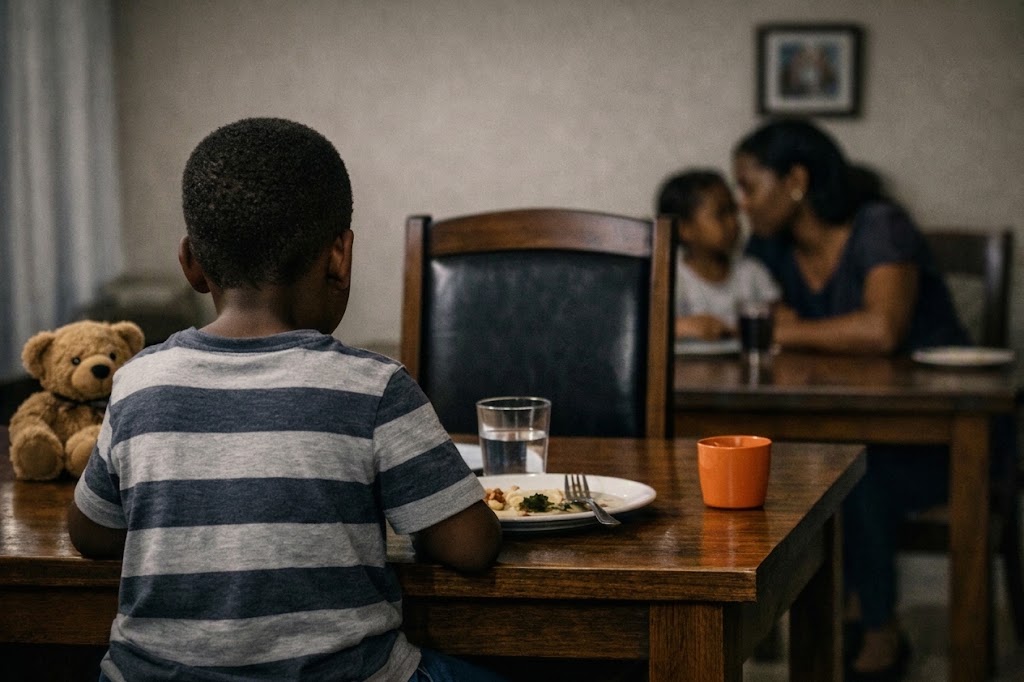
He gave her a baby, not a future — and like a sweet painkiller that slowly destroys the liver, she thought it was love until it began to kill her
By Mukama Phillip Kahigiriza
There is a quiet crisis moving through our towns, villages, churches and universities. It is not HIV. It is not unemployment. It is the deliberate manufacturing of single mothers by a group of men who have perfected the art of creating life, then walking away from it.
Visit any neighbourhood in Kampala, Nairobi, Mbarara, Gulu or Kigali today and you will find her. She is twenty-three, hardworking, carrying a child on her back and a heavier burden in her heart. She was never married and is not a widow. She is a single mother, not by choice or accident, but by design — the design of a man who set out to trap her, use her and leave.
This must be said plainly, because too many of our sisters are suffering quietly. This is not about all men — good men exist, men who protect, provide and stay. This is about a smaller group that has turned the pursuit of women into something closer to a hunt.
It begins with selection. A man like this never announces his intentions; he arrives in disguise. He watches from the corner of a club, a direct-message inbox, a church youth group, a campus canteen — patient, studying vulnerability rather than character. He rarely targets the strongest woman. He looks for the loneliest one: the recent graduate without a job, the daughter never told she was beautiful, the woman nursing a fresh heartbreak, the newcomer who left her village for the city and knows no one. He notices a wound and offers himself as the bandage, avoiding women surrounded by protective friends, because isolation makes the pursuit easier.
Once she has been chosen, camouflage begins. He becomes whatever she needs him to be — suddenly devout if she is spiritual, her loudest supporter if she is ambitious, affection itself if she is starved of it. This is not kindness; it is bait. A fisherman does not feed the fish out of love — he feeds it to catch it.
In the early weeks, he seems more attentive than her own father: calling morning and night, sending transport money, small gifts, small lunches. He tells her she is not like other girls, that she is already his wife in his heart. He speaks of children they will raise, land he will buy, fees he will pay — the language of marriage without its commitment. For a young woman starved of love, the performance feels real, and her guard begins to drop.
The final stage is isolation. He gradually turns her against friends who warn her, encourages small lies to her mother, and convinces her that intimacy is proof of love. “If you love me, prove it,” he says, or “We are getting married anyway — what are we waiting for?” Wanting to hold on to what feels like a rare kind of love, she gives in, believing she is securing a husband. In truth, she is signing herself into single motherhood.
Then comes the disappearance. The moment a pregnancy is confirmed, the same man who once said he could not live without her stops answering her calls. For him, the pursuit is over.
He disappears first because fathering a child was never about love for him — it was about ego and conquest, something to count among friends. A baby was never part of the plan; she was a prize, not a partner. He disappears, too, because responsibility frightens him: school fees, medical bills and sacrifice leave little for alcohol, betting or other women. He wants freedom without consequence, so he questions whether the child is his, or insists he simply is not ready.
Often, he disappears because another woman is already waiting, hearing the very same lines that once won her over. He was never pursuing one woman at a time — she was simply the current one.
And he disappears because society lets him. Our culture is unkind in this respect. A pregnant young woman is often pushed out of school or church and labelled as spoiled, while the man responsible remains the youth leader, the star footballer, the respected son, facing no consequence even after fathering children with several women in the same year. Until we hold irresponsible men to the same standard as young mothers, this pattern will continue. He built no home, saved no dowry, never spoke to her parents. He was borrowing her affection, and that loan always comes due.
This kind of love behaves like a substance many mistake for harmless — the painkillers and unregulated tonics found in nearly every household. A headache, a backache: two tablets and within minutes the discomfort eases, so it is trusted and kept close at hand. What is not visible is what a doctor would recognise immediately — that daily, unsupervised use quietly damages the liver, kidneys and stomach lining, bringing instant comfort while silently raising blood pressure that could prove fatal years later. The relief felt today is borrowed against tomorrow’s health, and that is precisely how this kind of man operates.
When he enters her life, he offers immediate relief from loneliness and financial strain, and she grows dependent on his calls, his money, his presence. Then the effects show: her confidence fades, her focus slips, her family ties weaken. When the child arrives and he leaves, the full cost becomes clear — depression, hardship, stigma, and a child who will one day ask where their father is. She believed she was being loved. In truth, she was being slowly harmed.
Genuine love, like sound medicine, does not sacrifice someone’s future for temporary comfort. It protects her wellbeing, her education, her family ties and her dignity. A man who damages those things is not offering love — he is offering harm dressed as affection.
To every young woman reading this: love is not measured by how quickly a man wants intimacy, but by how willing he is to wait, protect your future, meet your family, and build something lasting with you. A man who wants your body before he has earned your trust does not love you.
To every man who has fathered a child and walked away: fathering a child is not proof of manhood — biology alone can achieve that. Manhood is shown in raising that child and being present when that child needs you most.
And to every single mother reading this: you are not a failure. You stayed when he chose to leave. You are both mother and father, rising early to provide for your child, and your story is far from finished.
As a society, we must stop admiring men who create fatherless children while facing no accountability. Behind every single mother raising a child alone, there is often a man who walked away without consequence, already moving on to someone else. That pattern deserves to end.
Similar Posts by The Mt Kenya Times:
- Mt Kenya Times ePAPER October 17-18, 2026
- Ruto bets billions on Kerio Valley — with one eye on 2027
- Ruto’s health ministry kills Murang’a’s digital hospitals
- Kenya bets on Mount Kenya to drive a billion-shilling tourism revival
- Do you have a wealth vision? Or are you just working until you die?
About the Author