Affordable Housing In Kenya: Balancing Expectations And Realities
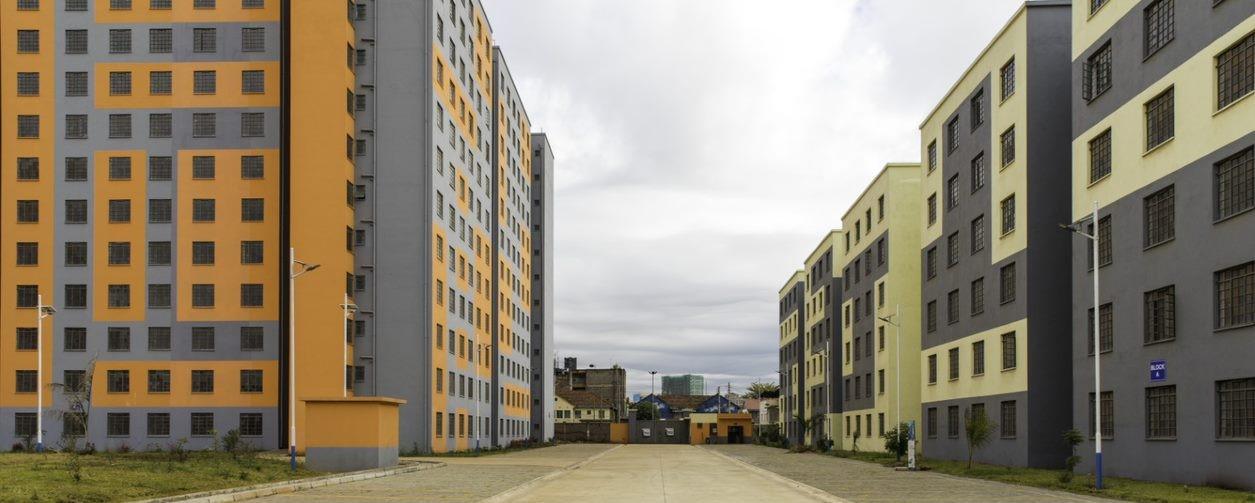
Affordable Housing In Kenya

By: James Kilonzo Bwire
Worth Noting:
- Critics often question why the government is directly involved in building houses instead of creating a conducive environment for private sector development. The government is indeed working to create such an environment by addressing both demand and supply sides of the housing market.
- The Affordable Housing Act of 2024 introduces tax incentives and financing options that make it easier for developers to construct affordable homes. Moreover, the national Tenant Purchase Scheme, with loans as low as 3% per annum, is a testament to the government’s commitment to making homeownership accessible to all.
- Affordability remains a key concern for many Kenyans. The government has set affordable housing prices starting at Kshs 840,000, with mortgage options that extend up to 30 years.
The pursuit of affordable housing in Kenya has become a focal point for both the government and citizens alike. As the country grapples with a significant housing deficit, understanding the intricacies of the government’s initiatives and addressing the common questions raised by Kenyans is crucial for fostering trust and ensuring successful implementation. One of the most pressing questions is why the national government is involved in housing when it is considered a devolved function. The answer lies in the complexity of the housing value chain, which necessitates coordination between the National Government, County Governments, and financial organizations. This collaborative approach is essential to ensure that affordable housing is accessible to all Kenyans, providing long-term financing and support to both homeowners and developers.
Another common concern is the government’s practice of building houses on public land and selling them to private individuals. Utilizing public land helps reduce costs, thereby keeping homes affordable. However, this initiative is not merely about individual ownership; it aims to foster community development and cohesion, which is vital for sustainable urban growth. Citizens have raised valid concerns about the protection of public resources and ensuring that these projects truly benefit low-income individuals. To address these concerns, the government should establish clear guidelines and criteria for the allocation of public land for affordable housing projects, prioritizing the needs of low-income individuals and ensuring that the land is used for its intended purpose.
Critics often question why the government is directly involved in building houses instead of creating a conducive environment for private sector development. The government is indeed working to create such an environment by addressing both demand and supply sides of the housing market. The Affordable Housing Act of 2024 introduces tax incentives and financing options that make it easier for developers to construct affordable homes. Moreover, the national Tenant Purchase Scheme, with loans as low as 3% per annum, is a testament to the government’s commitment to making homeownership accessible to all.
Affordability remains a key concern for many Kenyans. The government has set affordable housing prices starting at Kshs 840,000, with mortgage options that extend up to 30 years. This approach aims to ensure that homeownership is within reach for many, allowing individuals to pay a monthly rate comparable to their current rent. However, questions persist about whether these prices are genuinely affordable for the average Kenyan, particularly those in the low-income bracket. To address these concerns, the government should explore additional financing options and incentives that make homeownership more accessible to low-income individuals, such as expanding the Tenant Purchase Scheme and providing subsidies or tax credits for first-time homebuyers.
The introduction of a housing levy has also raised questions. The housing fund operates as a revolving fund, where contributions from Kenyans help finance homebuyers. This collective effort enables the government to support more individuals in their journey toward homeownership, fostering a sense of community investment in housing solutions. However, citizens are concerned about the necessity of this levy and how it is utilized. The government must communicate clearly how these funds are managed and ensure that they are used effectively for the intended purpose.
Security and transparency of the housing levy fund are paramount. Managed by the Affordable Housing Board, the fund is designed to be transparent, with financial records published publicly to ensure accountability. This transparency is crucial for building public trust, especially in light of past concerns regarding the allocation of government housing projects. The government should also establish a clear and verifiable bidding process through the Boma Yangu portal, including specific eligibility requirements and evaluation parameters to ensure fair and equitable allocation of housing units.
The government’s strategy also includes investing the housing levy funds wisely to ensure growth through interest, which in turn supports the construction of affordable housing schemes nationwide. This approach not only addresses the immediate housing needs but also contributes to long-term economic stability. However, citizens want assurance that these investments are being made responsibly and that they directly benefit the intended low-income populations.
Accessing these housing projects has been made easier for ordinary Kenyans. By registering on the Boma Yangu platform, individuals can select their preferred housing units and start saving through mobile payment systems. This streamlined process is designed to empower citizens and simplify the journey to homeownership. Nevertheless, the government must ensure that the platform is user-friendly and accessible to all, particularly those in rural areas with limited access to technology.
Finally, the visibility of these housing projects is essential. The government has made it clear that affordable housing projects can be tracked through the Boma Yangu website, allowing potential homeowners to see progress and apply for allocations. This level of transparency is critical in ensuring that citizens feel involved and informed about the housing initiatives that directly affect them. Regular updates and public forums should be held to keep the community engaged and informed about ongoing projects.
In conclusion, the government’s commitment to affordable housing is a multifaceted approach aimed at addressing the pressing needs of Kenyans. By tackling common concerns and fostering collaboration among stakeholders, the administration can create a sustainable housing environment that benefits all citizens. As the government continues to implement its housing agenda, it is crucial to maintain transparency, accountability, and inclusivity to build trust and ensure the success of these initiatives. With concerted efforts, affordable housing can become a reality for many Kenyans, contributing to the overall development and prosperity of the nation.
However, it is important to acknowledge that the government’s ambitious targets may not be achieved overnight. The housing deficit in Kenya is substantial, and addressing it requires a long-term, strategic approach. The government should set realistic goals and timelines, while continuously evaluating and adjusting its strategies based on feedback from citizens and stakeholders.
Moreover, the success of affordable housing initiatives depends on the active participation and support of various stakeholders, including county governments, private developers, financial institutions, and civil society organizations. The government should foster strong partnerships and ensure that all stakeholders are aligned with the common goal of providing affordable and accessible housing for all Kenyans.
It is also crucial for the government to prioritize the needs of low-income and vulnerable populations in its affordable housing policies. While the current initiatives aim to cater to a wide range of income groups, the government should ensure that the most disadvantaged communities are not left behind. This may require targeted interventions, such as subsidies, social housing programs, and slum upgrading projects.
In addition to providing affordable housing, the government should also focus on improving the overall quality of housing and living conditions across the country. This includes investing in basic infrastructure, such as water, sanitation, and electricity, as well as ensuring that housing units meet minimum safety and habitability standards.
Finally, the government should continuously monitor and evaluate the impact of its affordable housing initiatives, using data and evidence to inform policy decisions. Regular feedback from citizens and stakeholders should be incorporated into the decision-making process, ensuring that the government remains responsive to the evolving needs and expectations of Kenyans.
In summary, the government’s commitment to affordable housing is a laudable and necessary initiative that has the potential to transform the lives of many Kenyans. However, balancing expectations and realities is crucial for ensuring the long-term success and sustainability of these initiatives. By maintaining transparency, accountability, and inclusivity, and by fostering strong partnerships with stakeholders, the government can create a housing environment that truly benefits all citizens, contributing to the overall development and prosperity of the nation.
James Kilonzo Bwire is a Media and Communication practitioner.
Similar Posts by The Mt Kenya Times:
- Diaspora Times Global Aug 29 – Sep 5, 2026
- When soldiers turn on the junta they helped create
- Educational empowerment: A non-negotiable investment in Kenya’s future
- What aging parents want their adult children to understand
- Zimbabwe to roll out emotional learning programme to all 72 districts
About the Author