The Importance of Medicinal Plants for the Human Digestive System
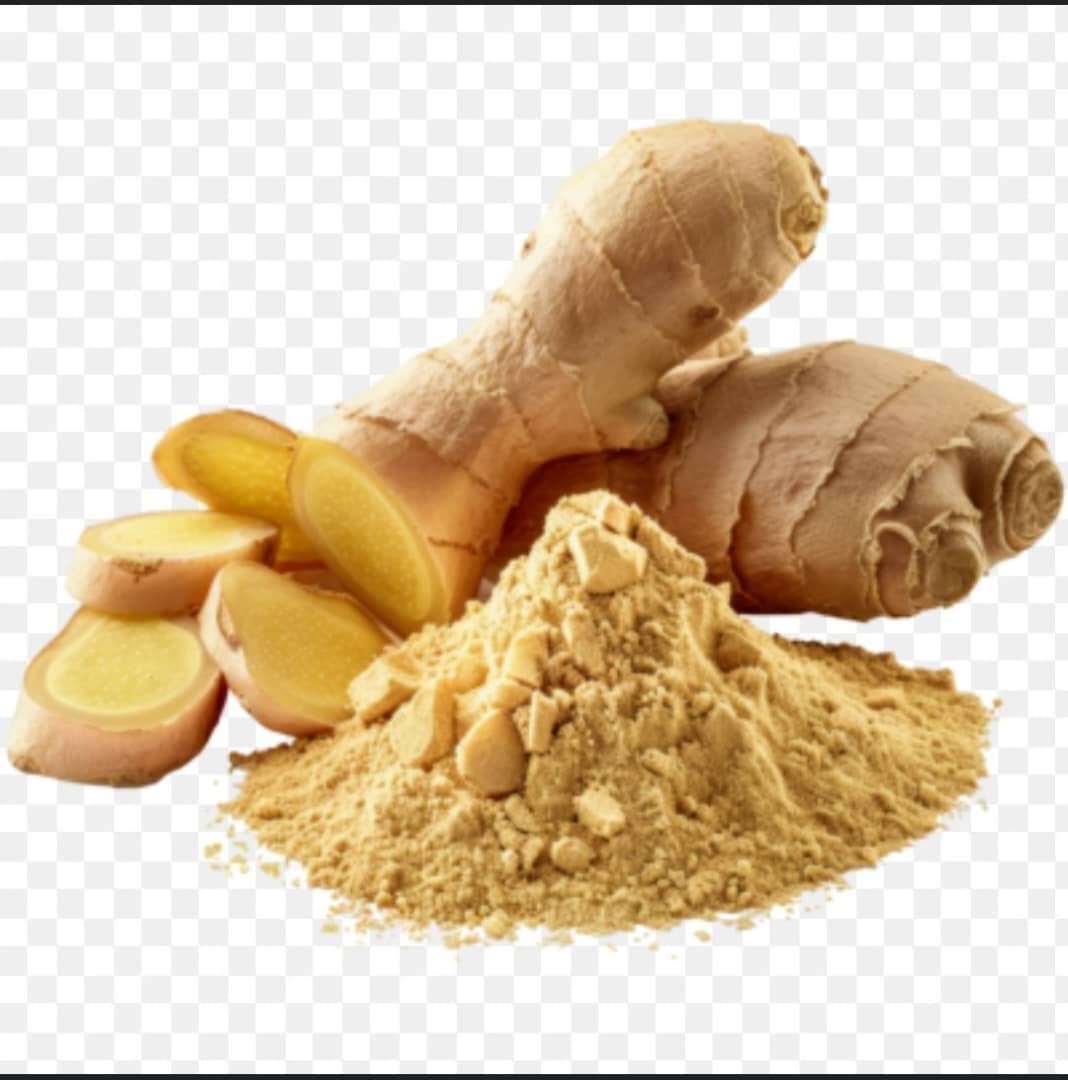
Ginger (Zingiber officinale)

By: Chankayeva Vasila Uzbekistan
Abstract
Writing about the importance of medicinal plants for the human digestive system is crucial for those interested in health and natural remedies. Medicinal plants play an essential role in improving digestion, reducing inflammation, and supporting the microbiome. They can be highly effective and beneficial for enhancing human health.
Keywords: Digestive system, Medicinal plants, Health care, Food, Inflammation, Microbiome, Natural remedies, Enzymes, Bloating, Food digestion
Introduction
The digestive system plays a critical role in maintaining human health, as its proper functioning ensures overall well-being. Historically, medicinal plants have been used to improve digestion and address various digestive issues. This article discusses the role and benefits of medicinal plants in supporting the digestive system and how they can be used.
Medicinal Plants and Their Effects
Ginger (Zingiber officinale)
Ginger primarily stimulates the stomach and is highly effective against nausea. It contains active compounds like gingerol and shogaol, which have anti-inflammatory effects. Ginger improves intestinal peristalsis and accelerates the digestion process.

Cumin (Cuminum cyminum)
Cumin reduces stomach bloating and eases digestion. It is known to balance bacterial growth in the intestines and stimulate the digestive process.

Garlic (Allium sativum)
Garlic has strong antibacterial and antifungal properties. It improves gut microbiota, facilitates digestion, and reduces stomach inflammation. Garlic also plays an essential role in detoxification processes.
Aloe Vera (Aloe barbadensis miller)
Aloe vera is particularly beneficial for stomach and intestinal health. It reduces inflammation, soothes the intestines, and enhances digestion. Aloe vera juice strengthens the protective layer of the stomach.
Pumpkin (Cucurbita pepo)
Pumpkin is high in fiber, which helps cleanse the intestines. Its vitamins and minerals also aid in the digestion process.
Methods of Use
Incorporating medicinal plants into the diet is simple. They can be consumed in various forms such as teas, smoothies, or salads. For example:
Ginger Tea: Boil ginger and drink it as tea to alleviate stomach discomfort.
Cumin in Dishes: Cumin can be added to various meals to improve their taste and digestion.
Garlic: Adding garlic to salads or vegetable dishes is a vital part of healthy eating.
Conclusion
Medicinal plants play a crucial role in supporting the digestive system. Not only do they promote healthy digestion, but they also help prevent various diseases. Therefore, incorporating these plants into daily life can significantly improve health. It is essential to recognize the importance of medicinal plants in maintaining health and not to overlook their value.
References
Bussmann, R.W., & Glenn, A. (2010). Medicinal Plants of the World: An Illustrated Scientific Guide to 500 Species from Around the World. Timber Press.
Chevallier, A. (2016). The Encyclopedia of Medicinal Plants: A Practical Reference Guide. Dorling Kindersley.
Cohen, M.M. (2014). “Ginger: An Overview.” American Journal of Health-System Pharmacy, 71(3), 213-222.
Pérez, M., & García, A. (2017). “The Role of Herbal Medicine in Gastrointestinal Disorders.” Journal of Herbal Medicine, 8(1), 32-39.
Similar Posts by The Mt Kenya Times:
- Mt Kenya Times ePAPER October 23, 2026
- Ruto’s parting COMESA call: Remove the barriers, honour the commitments
- Direct hospital access to KEMSA cuts drug delays, says PS
- Africa can’t wait: Continent seeks $1 trillion for climate adaptation
- Ruto passes the baton as Africa’s trade bloc faces a fragmenting world
About the Author