Beyond the scars: The grief, fear and hope of living after breast cancer
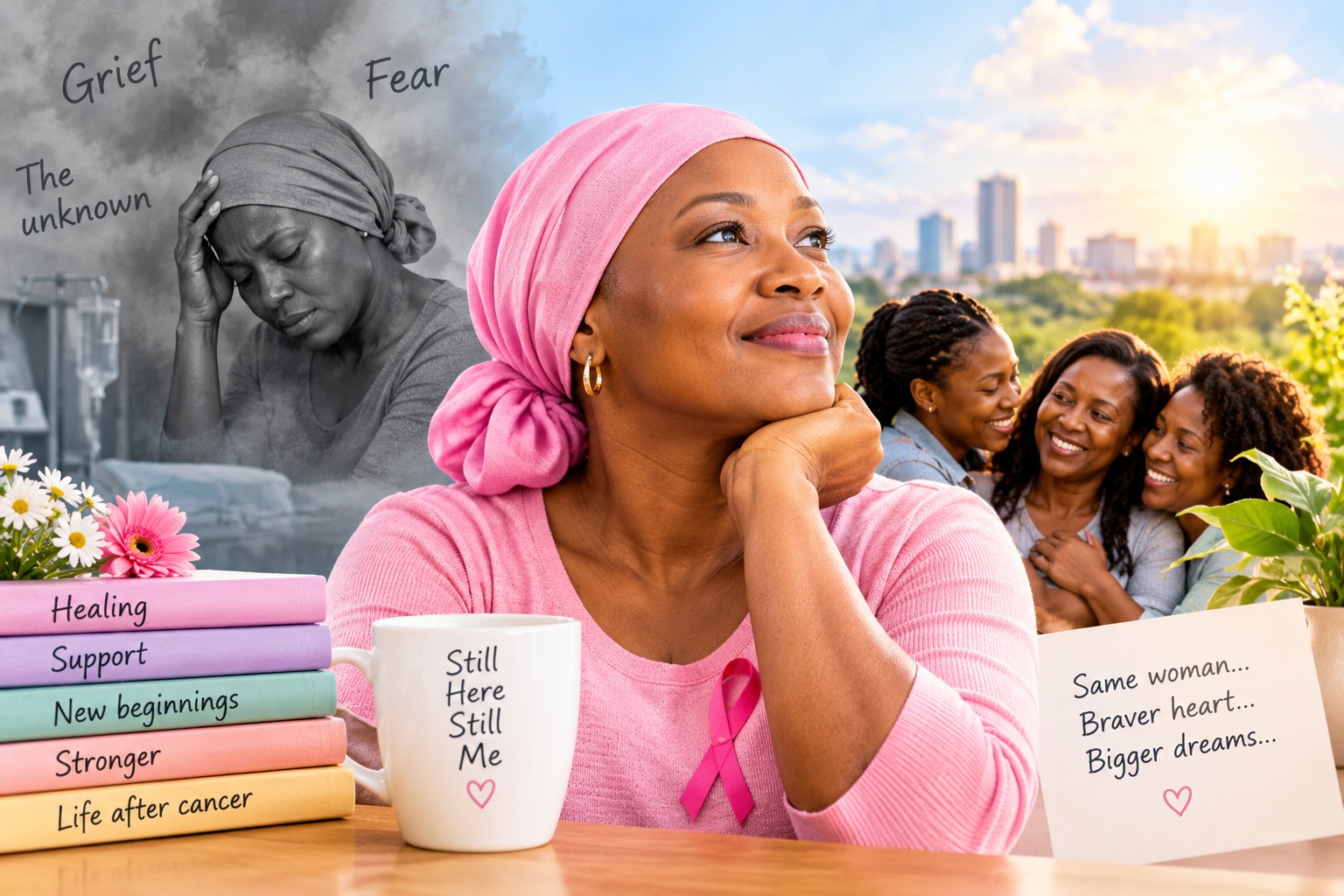
For many breast cancer survivors, completing treatment is only one part of recovery. The emotional toll of mastectomy, the cost of care and the struggle to rebuild confidence persist long after hospital visits end.
By Faith Ogutu
In a small tailoring shop in Thika, the steady rhythm of knitting needles carries a quiet message of repair. Mary Mwangi makes soft knitted breast prostheses for women who have lost breasts to cancer, restoring comfort and confidence.
A breast cancer survivor herself, Mwangi understands the uncertainty of diagnosis, treatment demands and the long emotional adjustment after mastectomy. She turned to knitting to help others. What began as an individual effort grew into a support network where survivors learn to make prostheses, gain skills and earn income.
This network highlights an overlooked aspect of breast cancer care: what happens after treatment ends.
The grief that survives cancer
Lucy Njeri Karioke’s journey began in December 2016. After stopping breastfeeding her son, she noticed a persistent lump. She sought medical care. Explanations differed one facility suggested mastitis, another fibroadenoma. Further tests confirmed ductal carcinoma.
The diagnosis revived memories of her mother’s death from cancer. When confirmed, she broke down by the roadside. “A stranger noticed my distress and took me to a nearby place, where he bought me lunch,” she recalled.
She contacted her aunt, who took her home near Ngong Road. Distress became so severe she contemplated suicide, but her uncle urged her to keep fighting.
In 2017, during a nurses’ strike, she underwent a mastectomy at Kenyatta National Hospital, followed by chemotherapy and radiotherapy for stage 2B disease. Nearly a decade later, Lucy is alive, but surviving did not end her mourning. “I think I still grieve today,” she says.
Some told her she was lucky because only her breasts were removed. “Survivorship starts at diagnosis,” Lucy says. Breasts carry meanings tied to femininity, motherhood and body image. Losing them affects identity in invisible ways. Uninformed about prostheses, she navigated recovery alone.
“When you’re healthy, you belong to yourself, but when you’re sick, you belong to the community,” she says. Support must continue well beyond treatment.
The uncertainty of diagnosis
Isabel Waruguru Mukoma’s journey began in 2024 with breast numbness. A mammogram showed a suspicious finding requiring a biopsy. During health worker strikes, she travelled to Kirinyaga County to find care and waited 21 days for results.
A biopsy of the right breast was delayed three weeks by cost. Results confirmed cancer in both breasts. Isabel went into denial. “For three days I remained in my bedroom, barely speaking,” she recalled. She underwent a double mastectomy.
Her experience shows how fear is compounded by delays and financial constraints. The period between noticing a change and receiving a diagnosis is filled with anxiety that grows when access is delayed.
Why the diagnosis must guide treatment
Dr Solomon Mutua, an oncologist at Nairobi West Hospital, stresses an integrated approach linking diagnosis, treatment and follow-up. He cautions against rushing to remove a lump.
“Whenever there’s a lump, don’t rush to remove it,” he says. “It should be examined clinical examination, imaging, a mammogram and then a biopsy.”
A biopsy determines whether a lump is cancerous and guides treatment. “Like any problem in life, you can only tackle it well if you know what you’re dealing with.”
Immunohistochemistry identifies the subtype; staging shows how far it has spread. Early detection is critical, “It can be cured. When it’s late, the cure is not guaranteed.”
He reassures patients about radiotherapy “Hatuchomi watu. Natumia miale ya radiation.” Clear communication matters because needs do not end with a single procedure.
The cost of staying alive
Care places heavy pressure on families: investigations, surgery, medicines, chemotherapy, radiotherapy, transport and lost income.
Hannah Nungari Mugo’s husband took out a KSh500,000 loan for her treatment. Financial and emotional consequences remained long after, along with stigma and physical changes. She joined Mwangi’s group, learning to make prostheses and gaining an income-generating skill that helped rebuild her confidence.
Kenya expanded support through the Social Health Authority (SHA). In late 2025, the cancer-care package increased to KSh800,000. Annual support offers up to KSh400,000 through the Social Health Insurance Fund and KSh400,000 through the Emergency, Chronic and Critical Illness Fund. Targeted treatments like Herceptin were reduced to KSh40,000 per session under SHA.
These measures improve access but depend on eligibility rules. Lucy and Isabel were treated before the expanded package. Prostheses, reconstruction, counselling and rehabilitation still involve separate costs.
A 2026 study of breast cancer patients at Kenyatta National Hospital estimated the mean total cost at KSh2,138,330, showing why expenses extend far beyond hospital bills.
Learning to live after mastectomy
Recovery means adjusting to changes in appearance and comfort. Silicone prostheses restore appearance but are expensive. Fabric alternatives and knitted prostheses offer accessible options.
Hair loss and skin changes affect body image, relationships and daily routines. Counselling and peer-support groups give space to process experiences without pressure to appear strong.
Research by the African Population and Health Research Center identified significant unmet needs among survivors, including psychosocial support and help rebuilding life. Patients need clear information about prostheses, reconstruction and rehabilitation.
Beyond the treatment room
Lucy’s experience shows surviving cancer does not erase grief. Isabel’s journey illustrates how uncertainty is worsened by delays and cost. Hannah’s story shows the household financial impact, while her work with Mary demonstrates how peer support helps survivors rebuild.
Families and communities can listen without minimising feelings. Health facilities must strengthen follow-up, counselling and rehabilitation. Policymakers must ensure financial protection extends to practical tools of recovery.
In Thika, Mary Mwangi continues to knit. The prostheses she makes restore comfort and confidence, offering women reassurance, skills and community connection.
As awareness efforts continue, the conversation must extend beyond screening and treatment to the lives women lead afterwards. Survival matters so does the ability to access follow-up care, receive emotional support, regain confidence and live with dignity.
For women like Lucy, Isabel, Hannah and Mary, the journey continues in the daily work of rebuilding life.
Similar Posts by The Mt Kenya Times:
- Not every struggling student is lazy
- Laikipia University: A natural haven for learning
- Why you should not milk a Kenyan buffalo
- Obaga Momanyi hosts free medical camp for Persons with Disabilities in Bonchari
- How Kenya’s economic titans feast while competition law serves as courteous footnote
About the Author