Beyond The Presidential Blame: A Call For A Balanced Reporting On Devolved Government

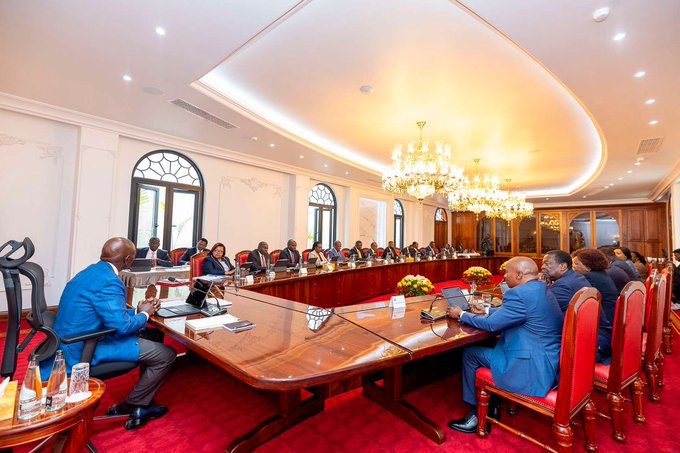
President William Ruto

In recent times, Kenyan media has frequently placed the blame for various issues squarely on President Ruto’s shoulders. While it is essential to hold leaders accountable, this immediate reaction often fails to consider the complexities inherent in our devolved system, where multiple levels of government share the responsibility for service delivery.
This oversimplified narrative not only distorts the actual situation but also obstructs meaningful criticism and the development of solutions. Journalists need to look beyond sensational headlines and explore the deeper workings of our devolved governance structure.
To begin with, grasping the function of county governments is crucial. The 2010 Constitution transferred significant authority and resources to the counties, allowing them to manage vital sectors such as health, education, agriculture, and infrastructure. This decentralization was designed to bring governance closer to the populace and tackle localized challenges.
Moreover, it is important to recognize the significance of collaborative projects between the national government and county administrations. Many initiatives, particularly in infrastructure and resource distribution, rely on joint efforts from both levels of government. By emphasizing these partnerships, the media can highlight both the successes and the obstacles that come with shared responsibility.
Additionally, the role of Non-Governmental Organizations (NGOs) in service delivery cannot be overlooked. NGOs often address critical gaps in various sectors, working alongside both national and county governments on initiatives ranging from health outreach to environmental protection. Reporting on their contributions can enhance the public’s understanding of the diverse network of stakeholders involved in governance.
By adopting a more nuanced perspective, journalists can aid the public in comprehending the complex web of responsibilities and collaborations that exist. This includes investigating the specific roles of both national and county governments in particular issues, exploring the effectiveness of partnership projects, and identifying the challenges they face, as well as highlighting the contributions of NGOs and their impact across different sectors.
Redirecting the narrative from a one-dimensional presidential blame game to a comprehensive understanding of the devolved system and its various players encourages a more informed public dialogue. This shift not only allows for constructive criticism but also promotes accountability at all levels of government, ultimately leading to better solutions for the challenges our nation faces.
The media plays a vital role in ensuring government accountability, but it must do so in a responsible and thorough manner. A balanced and insightful approach to reporting on the devolved system is essential for fostering a truly informed and engaged citizenry. It is time to move past simplistic narratives and work towards a deeper understanding of how our country is governed.
Nakhadama Viona
Rongo University
Similar Posts by The Mt Kenya Times:
- Mt Kenya Times ePAPER October 12, 2026
- Gachagua’s party storms Kikuyu from afar as 2027 countdown begins
- Counties caught: The KSh100B payroll scandal Kenya can no longer hide
- CS Ogamba: tree planting could generate carbon credit millions to fund education
- Farouk Kibet calls for unity and development as leaders rally behind Ruto’s 2027 re-election bid
About the Author