
The Urgent Need For Inclusive Climate Change Strategies For People With Disabilities
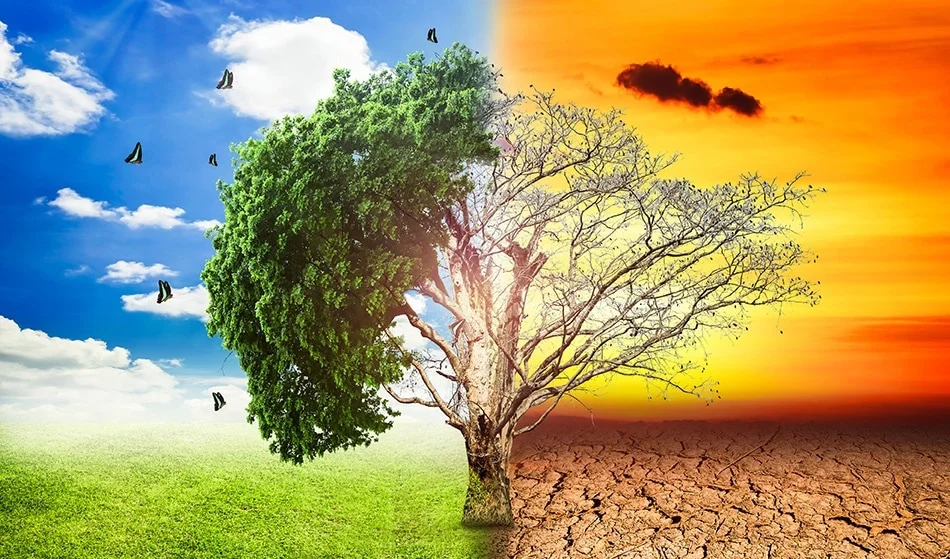

Climate change is an all-encompassing global issue with profound impacts that transcend national borders and affect ecosystems and biodiversity worldwide. However, its effects are disproportionately felt by vulnerable groups, including people with disabilities who face heightened risks from climate disasters.
This disparity underscores the urgent need for inclusive strategies to address the unique challenges faced by people with disabilities in the context of climate change.
A critical gap exists in communication regarding climate risks. Information concerning climate emergencies often fails to reach people with disabilities, especially those with hearing and visual impairments, as many climate change resources are not available in accessible formats such as Braille or sign language. This communication barrier places people with disabilities at a disadvantage during emergencies, highlighting the necessity for tailored communication strategies that ensure inclusivity.
Emergency preparedness efforts frequently overlook the specific needs of people with disabilities.
Emergency responders often assume a one-size-fits-all approach, resulting in generalized resource allocation that neglects the individual needs of people with disabilities, such as medical supplies and assistive devices.
The lack of inclusive planning means that during climate-related disasters, people with disabilities are often left without the necessary support, exacerbating their vulnerability.
Mobility challenges further compound the difficulties faced by people with disabilities during climate emergencies.
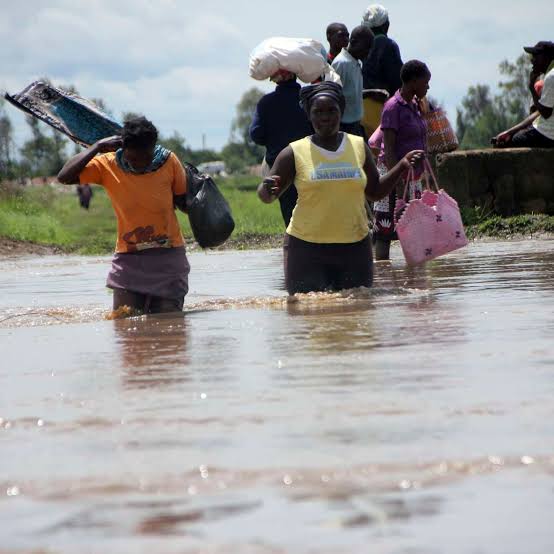
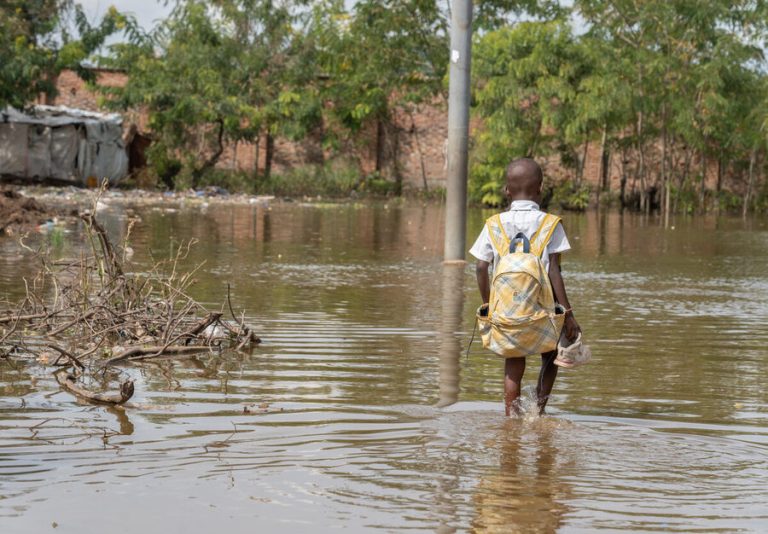
Emergency shelters are often inadequately equipped to accommodate the mobility needs of individuals who use wheelchairs or other assistive devices. Physical barriers, such as damaged roads, can obstruct movement, isolating disabled individuals and making it difficult for them to reach safe areas. This social isolation can delay or prevent access to critical resources and assistance.
People with disabilities also face economic disadvantages, which hinder their ability to access essential resources such as food and water during climate disasters.
The economic marginalization of people with disabilities means they are less likely to afford care services and may struggle to secure the help they need in times of crisis. This economic vulnerability amplifies the impacts of climate change on their lives, necessitating targeted support to mitigate these effects.
To address these challenges, it is imperative to integrate the perspectives of people with disabilities into climate policy discussions and emergency preparedness planning. Their inclusion in decision-making processes ensures that their specific needs are considered and addressed. This participatory approach not only fosters resilience among people with disabilities but also enriches climate strategies with diverse viewpoints, leading to more comprehensive and effective solutions.
Research plays a crucial role in understanding the experiences of people with disabilities concerning climate change. More studies are needed to document their unique challenges and develop evidence based strategies that cater to their needs. Providing platforms for people with disabilities to share their stories and advocate for their issues is a vital in raising awareness and driving change.
In conclusion, the intersection of climate change and disability reveals significant gaps in current strategies and underscores the necessity for inclusive approaches.
By addressing communication barriers, ensuring tailored emergency preparedness, and involving people with disabilities in policy discussions, we can create a more resilient and equitable society.
The stories and challenges faced by people with disabilities in the context of climate change must be amplified, for it is only through their voices that we can truly understand and address the impacts of this global crisis.
Edith Awino -an Environmentalist and Pwd advocate in Kisumu
Similar Posts by The Mt Kenya Times:
- Mt Kenya Times ePAPER August 27, 2026
- Opposition will have a candidate by April, says Gachagua
- Kalonzo takes his campaign to the people across three counties
- Kenya’s election technology tender: A KSh10B procurement under fire
- The goon question: What Ruto’s vow to act personally really means for Kenya
About the Author

 Brenda Holo