The Mt Kenya Times
As African cities race to build climate resilience, the urban poor are being quietly priced out of their own neighbourhoods.
By Norman Mwale, African urban affairs correspondent
As African cities rush to build resilience against the ravages of climate change, a quiet crisis brews in the shadows. The push for greener, more sustainable urban environments is inadvertently pricing out the poor, forcing them to the fringes of society. This phenomenon, known as “climate gentrification,” is playing out across the continent, from the shores of the Mediterranean to the savannas of Southern Africa.
“Climate adaptation must integrate social housing and community engagement.” – Dr Fatou Ndoye, Urban Planner
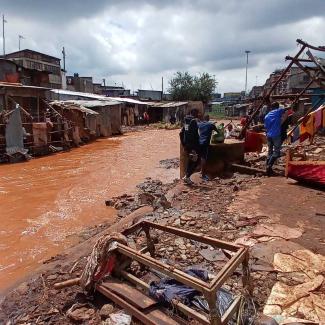
In Nairobi’s Kibera slum, residents face a double threat: floods that drown homes and climate policies that raise rents. “We’re caught between rising waters and rising costs,” says Amina, a single mother of three. Her story echoes across African cities, where green infrastructure and climate resilience often mean displacement. The Kenyan government’s Nairobi Integrated Urban Development Masterplan aims to make the city “climate-smart” by 2030, but critics argue that it overlooks the needs of informal settlements.
“Cities are adapting, but for whom?” asks Dr Fatou Ndoye, an urban planner at the University of Cape Town. “We must balance environmental protection with social justice.” According to the African Development Bank, climate adaptation efforts in Africa require $40 billion annually, but the focus on sustainability often overshadows equity concerns. In Zimbabwe, the government’s climate resilience initiatives in Harare’s high-density suburbs are lauded for reducing flood risks but raise concerns about displacement.
In Dar es Salaam, Tanzania, mangrove restoration along Msasani Bay protects coastlines but gentrifies neighbourhoods. “We need policies that prioritise people, not just profits,” says Juma Mwakalobo, an activist with the Tanzania Urban Forum. Similar trends are seen in Accra, Ghana, where climate-resilient housing projects displace informal settlements. The Ghanaian government’s National Climate Change Policy aims to address these issues, but implementation remains a challenge.
The paradox of climate adaptation is stark. In South Africa, the City of Cape Town’s Green Infrastructure Plan aims to mitigate flooding but raises concerns about gentrification in areas like Languedoc. “Climate justice means equitable access to resources,” says Greenpeace Africa’s Njeri Mukungu. In Uganda, the Kampala Capital City Authority’s climate-smart urbanisation plans face criticism for neglecting vulnerable communities.
In Lagos, Nigeria, coastal erosion and flooding threaten livelihoods while climate adaptation efforts struggle to keep pace. Ethiopia’s Addis Ababa is pushing for green city status, but social housing challenges persist. Rwanda’s Kigali is reshaping its urban landscape with climate-smart initiatives, but critics argue that rapid modernisation displaces low-income communities. “We prioritise green spaces and resilience,” says Mayor Yster Lihoreye, “but balancing growth and equity remains a challenge.”
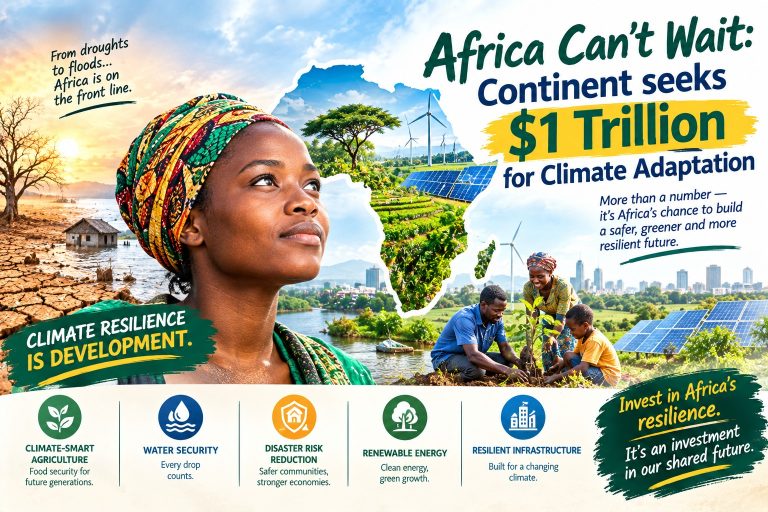
Across Africa, droughts in the Horn of Africa — spanning Somalia, Kenya and Ethiopia — floods in Nigeria and Mozambique, and cyclones battering Mozambique and Zimbabwe underscore the urgent need for climate action. The African Union’s Agenda 2063 and countries’ Nationally Determined Contributions outline ambitious goals, but implementation hurdles persist.
Experts advocate for inclusive policies. Community-led projects, such as Senegal’s mangrove restoration, offer genuine hope. Innovative financing and South-South cooperation can bolster resilience, and UN-Habitat’s Africa Urban Agenda echoes this vision, emphasising people-centred climate action.
As Africa’s cities grow, so does the climate challenge. The question is: can they adapt without excluding their poorest residents?
Norman Mwale is an independent journalist and researcher specialising in African urban development, climate policy and social justice.
Similar Posts by The Mt Kenya Times:
- Mt Kenya Times ePAPER October 24-25, 2026
- Muturi calls on IEBC to keep election technology tender clean and on schedule
- Ruto meets UAE minister in push to deepen trade ties
- Gideon Moi breaks silence on Ruto fallout, cites broken promises
- The doctor who refused to abandon a sick Uganda
About the Author