From Lab to Table: SAAF Program Unveils Next-Gen Innovations for Resilient Food Systems

In picture, participants during the unveiling of innovations and investment opportunities in Sustainable Animal and Aquatic Food Systems (SAAF) Program, unveiled during the Consultative Group on International Agricultural Research (CGIAR) Science Week, at United Nations Office in Nairobi (UNON).
By Aoma Keziah,
Standing out as a catalyst for change, putting science, sustainability, and people at the heart of the food system revolution, the Sustainable Animal and Aquatic Foods (SAAF) Program unveiled a suite of innovative, science driven solutions aimed at addressing food insecurity, building climate resilience, and promoting inclusive growth across low- and middle-income countries.
Unveiled during the Consultative Group on International Agricultural Research (CGIAR) Science Week, at United Nations Office in Nairobi (UNON), the SAAF showcase brought together researchers, policymakers, investors, and development partners from around the world to witness the next generation of sustainable animal and aquatic food solutions. With global demand for nutritious, affordable protein on the rise, the program is positioning sustainable food systems as a cornerstone of future development.
Rodrigue Yossa, Interim Director CGIAR Sustainable Animal and Aquatic Foods Science Program, noted the science program is about making sure they improve the lives of people and also focusing on gender youth and inclusion.
“when it comes to issues of gender in this sector, people raise concerns about it, we are trying make sure we improve the lives of people. We agreed to have an area of work focusing on gender, youth and social inclusion, and the goal there is to empower women and the youth and make sure that they are part of the design, the co-implementation, and in the co-assessment of the activities.
Among the innovations on display were climate-smart aquaculture practices, sustainable livestock feed alternatives, and digital tools for inclusive market access. These solutions are designed to increase productivity while reducing environmental impact, empowering smallholder farmers and fishers especially women and youth to thrive in a changing climate.
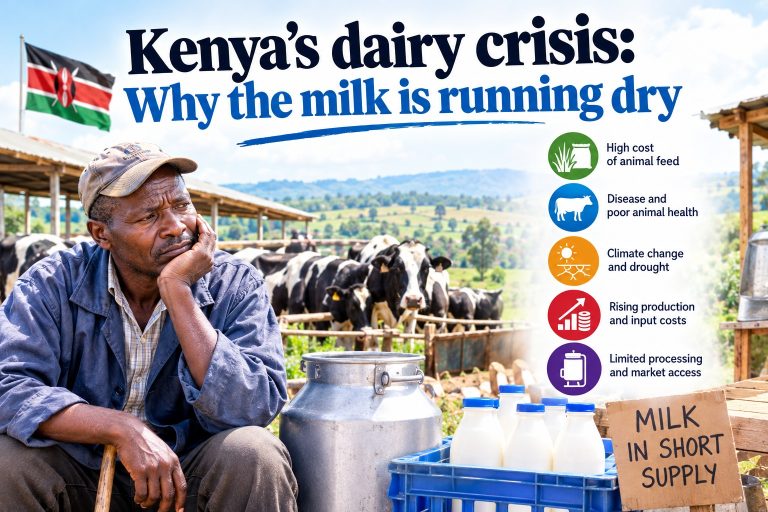
“The person that we are targeting, number one, is funds, funds in terms of getting the right breed, if it is dairy farming, the right breed is very expensive, I can tell you for a fact, it’s expensive that the smallholder farmers can’t afford it, so if they can get those financing, they start it up well and it will really, really improve their livelihood,” remarked Oliver Mukhunza, a dairy farmer
The event also spotlighted new investment opportunities in the sustainable food space, with a strong push to attract private capital alongside public sector commitments. SAAF partners presented investment-ready ventures and called on global investors to support scalable models that combine profit with purpose.
Experts emphasized the urgency of reforming animal and aquatic food systems, which are often overlooked in climate and development strategies.
Similar Posts by Aoma Keziah:
- Nationwide Youth Business Drive Enters Last Lap With New Nyota Trainings
- Green Light From Washington Sets G42 On Fast Track to Build Region’s Most Powerful AI Network
- Safina Eyes Kariobangi North Seat in Intensified Push Before Poll Day
- KEBS Opens Talks With Manufacturers On New Standards Levy Order 2025
- Kenya, Uganda And South Sudan Chart Way Forward On East Africa Rail Corridor
About the Author

 The Mt Kenya Times