Women farmers at risk of being left behind as global food crisis deepens, report warns
 The Mt Kenya Times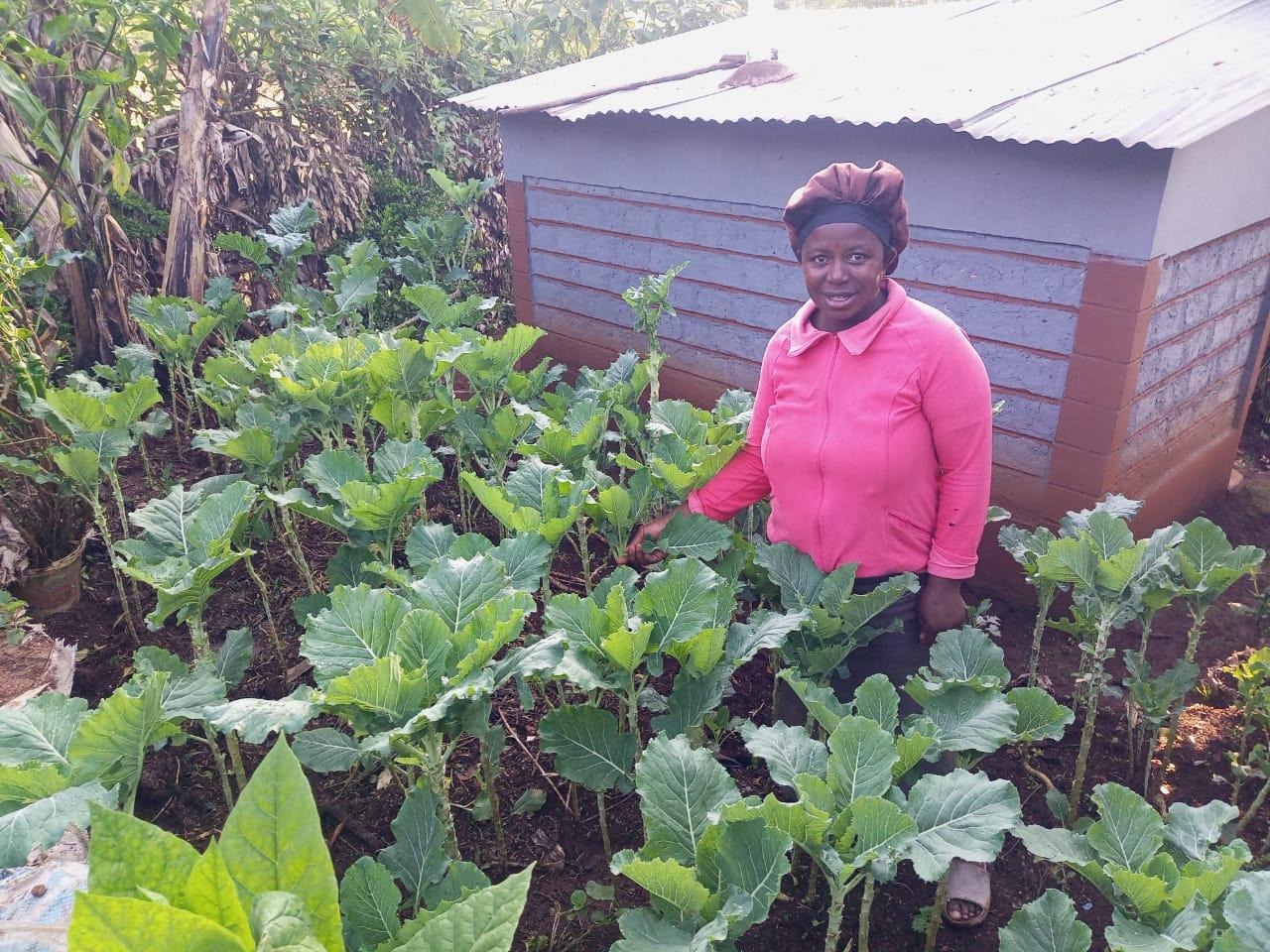
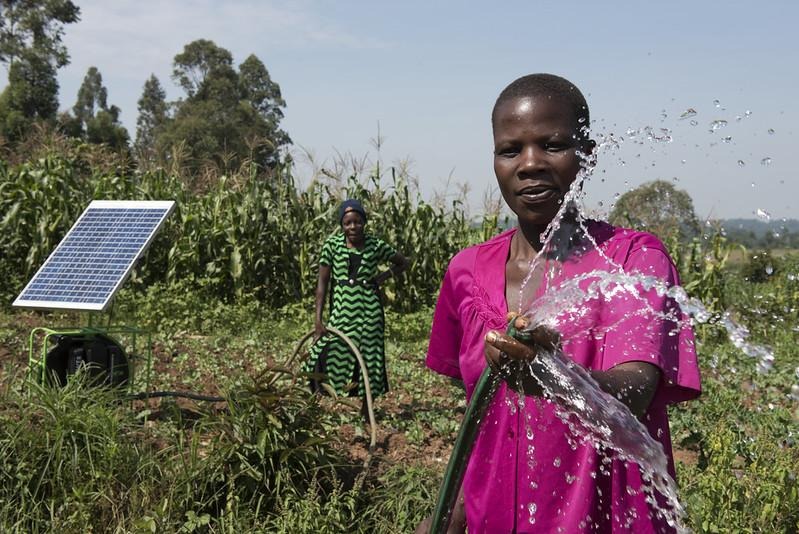
Joyce Kwamboka on her garden where she has planted indigenous vegetables. Photo/Elizabeth Angira
By Elizabeth Angira
Women farmers in low-income countries risk falling further behind men as climate change, rising agricultural input costs and disruptions to global food systems threaten their livelihoods, a new report warns.
The report, Advancing Equality, Transforming Futures: A Path to Resilient and Productive Food, Land and Water Systems in 2050, calls on governments, donors, researchers and development partners to address gender inequalities and ensure women have equal opportunities to benefit from changes in agriculture.
Released by the CGIAR GENDER Accelerator, the report highlights how overlapping crises, including rising fuel and fertiliser costs, extreme weather events and trade disruptions, are placing additional pressure on farmers, with women often bearing a disproportionate share of the burden.
Women play a central role in food production, household food security and the management of natural resources. However, many continue to face barriers to land ownership, access to finance, agricultural training, modern technologies and markets.
These challenges threaten not only women’s livelihoods but also the resilience of communities that depend on agriculture for food and income.
Yet, some farmers are finding practical ways to respond to these challenges by investing in irrigation, renewable energy and the preservation of agricultural produce.
In Kenya, vegetable farmer Joyce Kwamboka is among those working to maintain production despite unpredictable weather patterns and the challenges associated with growing perishable crops.
Kwamboka grows nutrient-rich indigenous vegetables, including spider flower, commonly known as saga; black nightshade, known as managu; amaranthus, or emboga; pumpkin; African spinach, commonly known as enderema; and cowpeas.
These vegetables provide important nutrients for households while offering farmers an opportunity to earn income from local markets. However, their production and marketing can be affected by changing weather conditions, pests and the short period within which fresh vegetables must be sold or consumed.
Kwamboka says she occasionally incurs losses from pests, which she manages by applying ash as a natural deterrent. Hailstones also pose a challenge because they can damage her crops.
Unpredictable weather patterns have further affected her ability to supply vegetables to the market consistently.
To address the challenge, she invested in irrigation pumps to ensure she could continue producing vegetables even when rainfall was unreliable.
“Since I have solar, I can pump water and irrigate my vegetables,” she says.
Her experience illustrates how access to appropriate technology and renewable energy can help farmers adapt to changing weather conditions and maintain a more reliable supply of food.
However, producing vegetables consistently is only part of the challenge. For farmers and traders dealing in perishable produce, the ability to preserve what they harvest can determine whether they make a profit or suffer losses.
Solar Energy Offers a Solution to Post-Harvest Losses
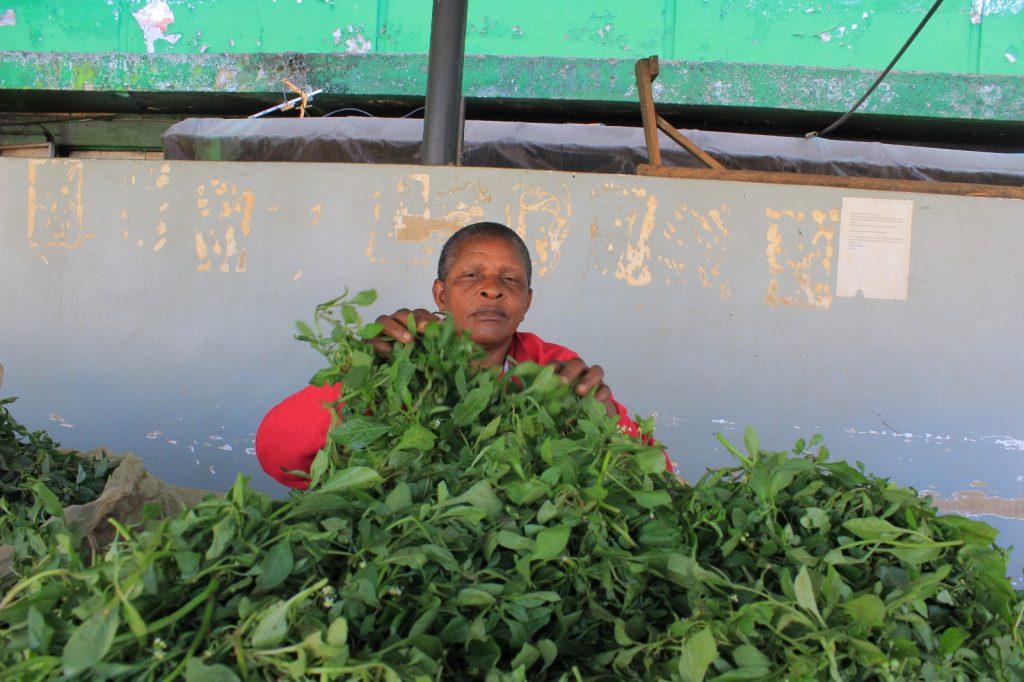
For many vegetable farmers, harvesting a good crop does not always translate into good earnings. When markets are oversupplied or customers are unavailable, fresh vegetables can spoil before they are sold.
Without adequate storage and preservation facilities, farmers and traders may be forced to sell their produce at low prices to avoid losing it altogether.
One farmer decided to invest in preservation and packaging to extend the shelf life of vegetable produce, reduce wastage and explore wider markets.
“I knew I had to find ways to reduce my post-harvest losses and value addition was the way to go,” the farmer says.
The investment was intended to reduce wastage while creating opportunities to reach more customers within the county, across Kenya and potentially in international markets.
In 2019, the farmer installed a solar power system incorporating a solar-powered drier to support the value-addition process.
“I installed a solar power system, incorporating a solar-powered drier, in 2019 to power my value addition processes,” the farmer explains.
Beyond drying and packaging vegetables, the solar system has helped reduce energy costs associated with poultry and dairy farming activities.
The experience demonstrates how renewable energy can serve several purposes on a farm, supporting food preservation while helping farmers manage operating costs.
Value addition also offers an opportunity to move beyond selling vegetables only in their fresh form. Proper drying, packaging and storage can help extend shelf life, reduce waste and make products easier to transport to customers farther away.
For small-scale farmers, however, the benefits depend on access to affordable equipment, suitable packaging, reliable markets and the skills needed to preserve produce safely.
Vegetable Vendors Seek Better Returns
The benefits of preserving vegetables are also being felt by traders who have traditionally depended on selling fresh produce before it spoils.
Lydia Nyaboke, a vegetable vendor, recalls how fear of losing her stock forced her to sell vegetables at very low prices.
When produce remained unsold, she risked losing the money she had invested in buying it. This left her with limited bargaining power and reduced the profits she could take home.
However, since installing a solar system, Nyaboke has been able to preserve and package her produce without worrying as much about how quickly she must sell it.
“I am now happy because I can make a good profit,” she says.
Nyaboke is encouraging other vegetable vendors to consider value addition as a way of reducing wastage and improving their income.
Her experience highlights an important part of the food system that is often overlooked: the people who sell fresh produce also need affordable preservation technologies and reliable access to markets.
When vegetables can be preserved for longer, vendors may have more flexibility in deciding when and where to sell them. This can reduce the pressure to accept very low prices simply because produce is about to spoil.
Nevertheless, solar drying and other preservation methods require appropriate equipment, hygienic handling and proper storage to maintain food safety and quality.
Climate Change Puts Additional Pressure on Women
The experiences of farmers and vegetable traders reflect some of the wider challenges highlighted in the CGIAR GENDER Accelerator report.
Climate change is emerging as a major threat to agricultural productivity, particularly for rural households that depend on rainfall for farming.
Changing rainfall patterns, prolonged dry spells, extreme weather and declining water availability can affect crop yields, increase production costs and threaten household food supplies.
The report warns that climate change could increase the amount of time women spend collecting water by 30 per cent as water becomes less available.
This burden can leave women with less time for farming, income-generating activities, training and other opportunities that could improve their livelihoods.
Women may also face additional challenges arising from unequal access to land, credit, agricultural extension services and modern equipment. These barriers can make it harder for them to invest in irrigation systems, renewable energy and post-harvest technologies.
Addressing these inequalities requires more than encouraging individual farmers to adopt new practices. It also requires supportive policies, affordable financing, appropriate infrastructure and agricultural programmes that recognise the different needs of women and men.
Closing the Gender Gap in Agriculture
The report argues that improving women’s access to agricultural resources requires broader institutional and social changes rather than isolated interventions.
It calls for legal and institutional reforms, safer working environments, improved infrastructure, social protection and better agricultural data.
It also recommends combining technical training with measures that challenge social norms that leave women responsible for a disproportionate share of unpaid care work.
Such responsibilities can limit the time women have available for farming, participation in farmer organisations, training and engagement in markets.
The report further identifies opportunities for rural women to move into higher-quality jobs beyond primary production, including food processing, retail and logistics as food systems evolve towards 2050.
However, this transition is unlikely to benefit everyone equally without deliberate efforts to improve women’s access to skills, decent work and economic opportunities.
For farmers such as Kwamboka and traders such as Nyaboke, support for irrigation, renewable energy and value addition could help strengthen livelihoods while reducing some of the risks associated with weather uncertainty and perishable produce.
Digital Technology Offers Opportunities, but Access Remains Unequal
Digital technologies are increasingly being used to provide farmers with weather forecasts, climate information, agricultural advice and market updates.
However, women risk missing out on these benefits because of persistent inequalities in access to digital devices, internet connectivity, skills and relevant information.
The report cites research indicating that women in Kenya are up to 25 per cent less likely than men to access digital climate advisory services because of structural gender barriers.
This gap matters as farmers increasingly need timely information to make decisions about planting, irrigation, pest management and harvesting in changing weather conditions.
Access to reliable digital information could help women farmers plan their activities, anticipate weather-related risks and make better-informed decisions about when to plant or take produce to market.
The report urges technology developers to involve women in designing emerging technologies, including artificial intelligence applications, before scaling them up.
It also recommends complementary training and support to ensure women can use these technologies effectively.
For these interventions to make a difference, women farmers must be treated not simply as recipients of agricultural information but as active participants in developing and shaping the technologies they use.
Investing in Women Is Key to Resilient Food Systems
CGIAR Executive Managing Director Ismahane Elouafi said decisions made in the coming years would determine whether food, land and water systems become more equitable and resilient or deepen existing inequalities.
“We cannot feed our future without including women in our food systems,” Elouafi said, describing the report as a guide to achieving that goal by 2050.
Nicoline de Haan, Director of the CGIAR GENDER Accelerator, said meaningful progress would require structural changes rather than isolated interventions.
She emphasised that women should be recognised not only as agricultural workers but also as leaders and decision-makers in food, land and water systems.
The report was released on the International Day of Rural Women, in recognition of the International Year of the Woman Farmer.
As countries work towards more productive and climate-resilient food systems by 2050, the report calls for coordinated action by governments, donors, development organisations, researchers and private companies.
The experiences of farmers and vegetable traders show that practical solutions, including solar-powered irrigation and produce preservation, can help address some of the challenges affecting agricultural livelihoods.
But scaling up these approaches will require more than individual investment. Women farmers need affordable financing, access to appropriate technologies, agricultural training, reliable markets and a stronger voice in decisions affecting their work.
Ensuring that women can access these opportunities will be critical to building food systems that are productive, inclusive and resilient to future shocks.
The report’s central message is clear: the transformation of global food systems cannot be complete if women continue to face unequal access to the resources, technologies and opportunities they need to thrive.
Similar Posts by The Mt Kenya Times:
- Faith on campus: Why students drift, and what keeps them rooted
- We lowered the flag, but never cut the chain
- Kenya’s fuel crisis: Ordinary citizens bear the cost
- Martínez apologises after United boardroom row
- Degrees in hand, jobs out of reach
About the Author