Kenya’s 2027 General Elections: Will Rigathi Gachagua Become The Jacob Zuma Of Kenya?
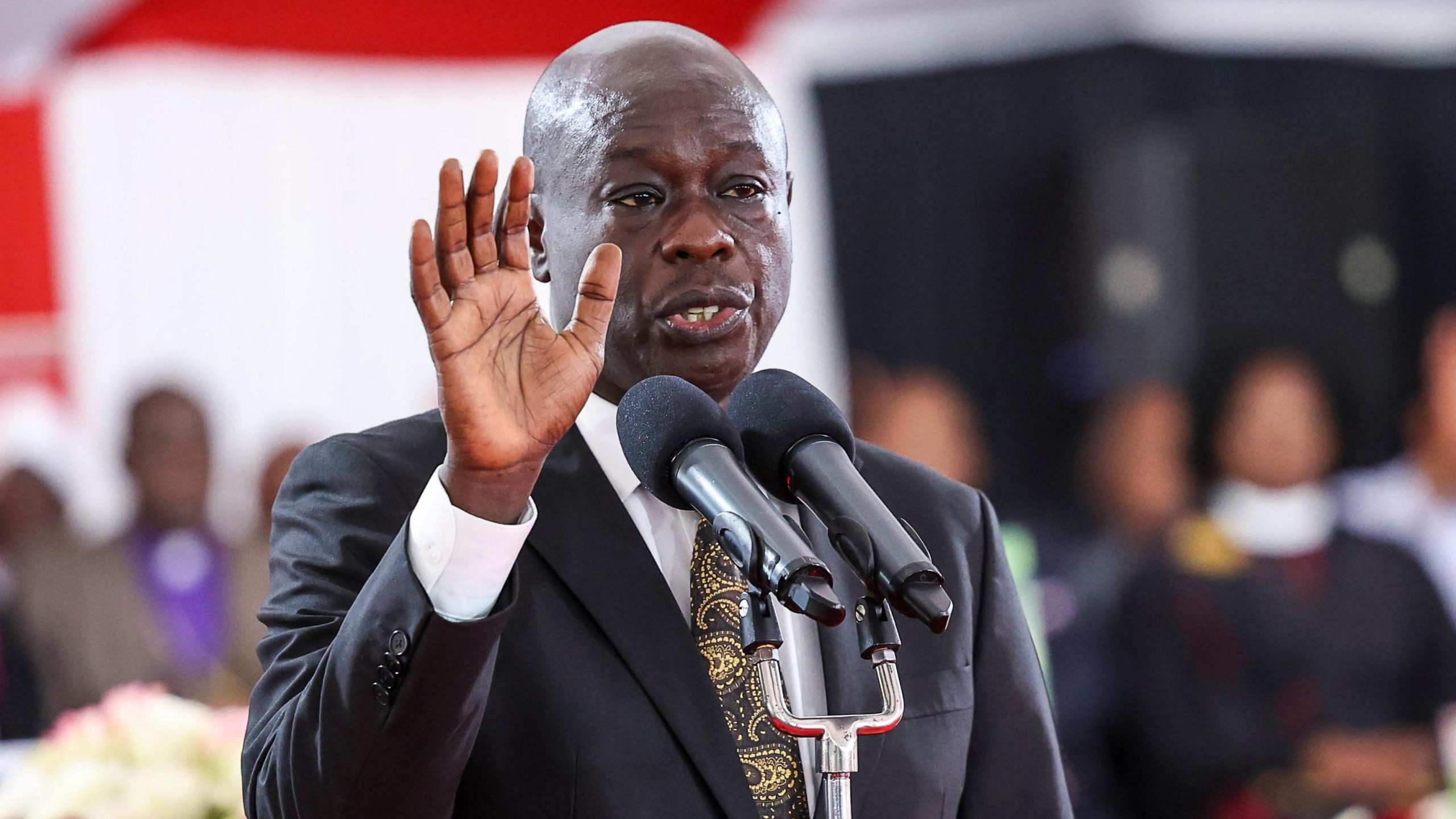
Rigathi Gachagua, the second Deputy President

By Kamomonti Wa Kiambati
Kenya’s 2027 general elections promise to be a defining moment in the country’s political landscape. One name that is becoming increasingly prominent in discussions around these elections is that of Rigathi Gachagua, the second Deputy President. His rising influence, political persona, and controversies have led some to draw comparisons between him and former South African president Jacob Zuma. Both men are known for their populist appeal, their ability to resonate with the ordinary citizen, and the controversies that have shaped their careers. The comparison between Gachagua and Zuma, particularly in the context of the 2027 elections, raises important questions about the future of Kenyan politics.
One of the defining characteristics of Jacob Zuma’s political rise was his ability to connect with South Africa’s poor and working-class citizens. Zuma, often seen as a “man of the people,” successfully cultivated a populist image that set him apart from his more technocratic predecessors. His charisma, informal approach, and command of Zulu culture allowed him to build a powerful grassroots following, especially within rural and economically marginalized areas. Despite being embroiled in numerous corruption scandals, his supporters remained loyal, largely due to his ability to present himself as a champion of their struggles.
Rigathi Gachagua shares similar traits. Known for his no-nonsense, often blunt rhetoric, Gachagua has positioned himself as a voice for ordinary Kenyans, particularly those from rural areas. His speeches, laced with pro-worker and pro-poor sentiments, have helped him carve a niche as a politician who understands the struggles of everyday Kenyans. His background as a former District Officer and his long history in public service also add to this perception, giving him credibility among a segment of the population that feels overlooked by mainstream political elites.
As Kenya approaches the 2027 elections, Gachagua’s populism may play a crucial role in shaping his political fortunes. Like Zuma, he has cultivated a base of support that sees him as an advocate for the common man. His emphasis on economic development, job creation, and the empowerment of rural communities could resonate with voters who feel left behind by Nairobi’s political class.
However, like Zuma, Gachagua is no stranger to controversy. Zuma’s presidency was defined by numerous scandals, most notably the Nkandla scandal, where he was accused of using state funds to upgrade his private residence. Throughout his presidency, Zuma was also dogged by allegations of corruption, leading to multiple court cases and an eventual forced resignation. Yet, his support base remained resilient, largely because they believed he was being targeted by political enemies seeking to undermine his populist agenda.
Similarly, Rigathi Gachagua has faced his share of controversies. Since assuming the Deputy Presidency, he has been implicated in allegations of financial misconduct, with some investigations suggesting possible involvement in corruption. These allegations have led to public discourse about his integrity, with critics arguing that his political career could face a significant challenge if the controversies continue to accumulate. However, like Zuma, Gachagua’s supporters remain loyal, dismissing these accusations as politically motivated. They argue that his enemies are attempting to derail his political ambitions due to his unfiltered critique of the political status quo.
The comparison here is striking. Both Zuma and Gachagua have managed to maintain strong political followings despite the allegations against them. Their ability to survive controversy stems from their populist appeal, which insulates them from political fallout. In both cases, their supporters are quick to attribute the accusations to political machinations rather than substantive issues of governance or ethics.
Jacob Zuma’s time in power was marked by significant influence over South African politics. He was able to navigate the political landscape effectively, using his populist appeal to stay relevant even as his presidency became increasingly scandal-ridden. Despite his eventual resignation in 2018, Zuma remains a powerful figure within South Africa’s political landscape, often wielding influence behind the scenes.
Rigathi Gachagua could follow a similar trajectory. With former position as Deputy President, Gachagua held considerable sway within Kenyan politics. As Kenya approaches the 2027 elections, his influence is likely to grow, particularly if he consolidates his power base and continues to appeal to disenfranchised voters. If he manages to navigate the controversies surrounding him and maintain his grassroots appeal, Gachagua could emerge as a central figure in the post-2027 political landscape, much like Zuma did in South Africa.
However, the big question is whether Gachagua’s influence will be beneficial for Kenya in the long run. Zuma’s presidency is often cited as a period of economic stagnation, political corruption, and growing inequality in South Africa. Some fear that if Gachagua follows the same path, Kenya could face similar challenges. On the other hand, Gachagua’s supporters argue that his leadership style is exactly what Kenya needs to address longstanding issues of inequality and economic underdevelopment.
As Kenya prepares for the 2027 general elections, the comparison between Rigathi Gachagua and Jacob Zuma offers an interesting lens through which to analyze the Deputy President’s political trajectory. Both men are populists who have managed to retain strong support despite facing significant controversies. While it remains to be seen whether Gachagua will follow in Zuma’s footsteps completely, his ability to navigate Kenya’s complex political landscape will undoubtedly shape the country’s future. Whether he becomes Kenya’s Jacob Zuma depends on how he handles the challenges and opportunities that lie ahead.
*Kamomonti teaches English and Literature in Gatundu North Sub County.*
Similar Posts by The Mt Kenya Times:
- Diaspora Times Global Oct 24 – Oct 30, 2026
- America’s baby bust: U.S. birth rate hits record low as women choose later motherhood
- Literary Outreach Incubation Program Instills The Culture From Book Adaption To Spoken Words
- Why starting school too early is failing our children
- Who defines Africa’s destiny? The western lens, African compliance and the struggle for intellectual sovereignty
About the Author