The Mt Kenya Times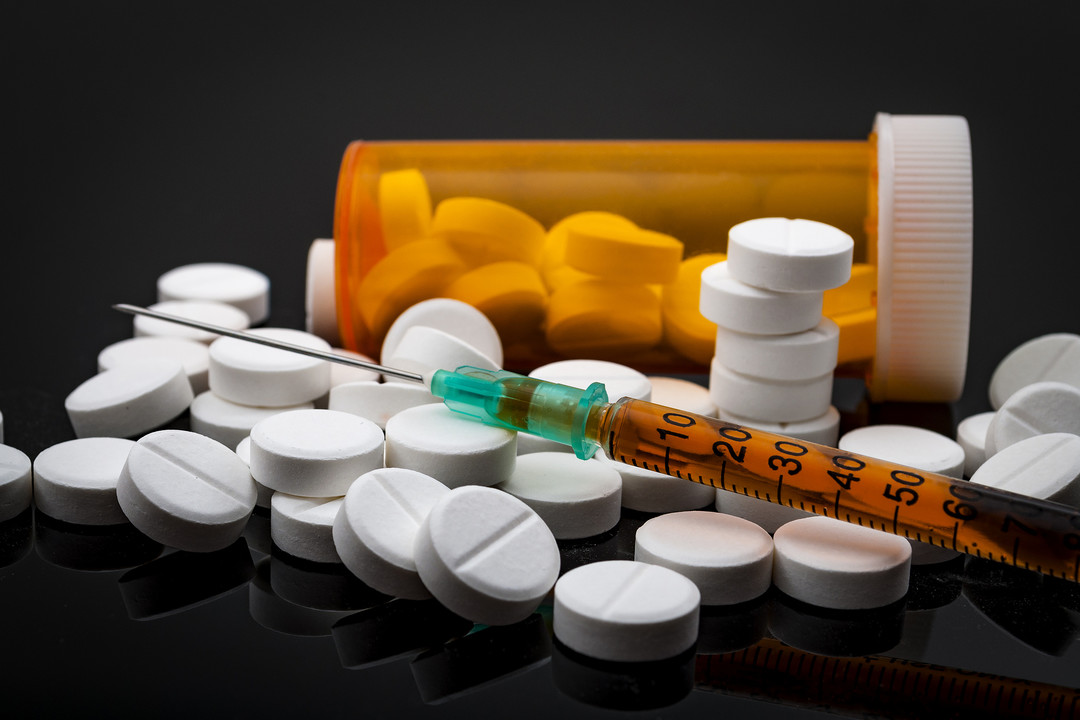
By: Dennis Wendo
The rising misuse of prescription drugs for non-medical purposes is deeply concerning. Whether the abuse is deliberate or accidental, it is critical to strengthen mechanisms that can curb this growing threat, which poses serious and potentially irreversible health risks.
Non-Medical Use of Prescription Drugs (NMUPDs) refers to taking prescription medication without a doctor’s guidance or in a manner that deviates from the prescribed use.
Globally, increased availability of prescription drugs in both legal and illicit markets has fueled a surge in non-medical use. For example, in April 2025, Kenya’s Pharmacy and Poisons Board (PPB) ordered all pharmaceutical outlets, healthcare facilities, and professionals to halt the sale of falsified batches of Augmentin 1g (Batch SGS2) and Augmentin 625mg (Batches 8X3K and EU7C), which had infiltrated the Kenyan market.
The PPB also flagged a packaging error involving S-Prazo (Esomeprazole 40mg), in which a strip of Levofloxacin 500mg was found inside an Esomeprazole pack. Additionally, substandard batches of Paracetamol 1000mg/100ml injection were reported due to a visible color change, indicating compromised quality.
According to a 2020 report by the United Nations Office on Drugs and Crime (UNODC), NMUPDs exceed many illicit drugs in prevalence and rank second only to cannabis in most countries. These drugs are often misused to relax, get high, or self-medicate uses that extend beyond their intended medical application.
In Kenya, NMUPDs are particularly prevalent among adolescents. The 2018 NACADA report highlighted this issue, with a 2016 study revealing lifetime usage rates of 10.4% among primary school pupils and 16.1% among secondary school students. Laboratory analyses confirm that antidepressants, antipsychotics, anticholinergics, opioid analgesics, anesthetics, and antihistamines are among the most commonly misused prescription drugs.
Despite its global scale, NMUPD has not received sufficient attention in many African countries, Kenya included. In Nigeria, for instance, more than 4.6 million people reportedly use pharmaceutical opioids non-medically, with tramadol being the most commonly abused.
A 2024 national study by the National Authority for the Campaign Against Drug Abuse (NACADA) on the status of drug and substance use among university students in Kenya revealed that prescription drugs were the most accessible psychoactive substances (13.9%). They were followed by inhalants (13.1%), codeine/cough syrups (11.5%), methamphetamine (8.5%), ecstasy/GHB/LSD/psychedelics (8.1%), and ketamine (7.0%). Morphine, an opioid used to manage severe pain, was identified as an emerging substance of abuse in higher education institutions. Alarmingly, the report found that nearly 1 in 2 university students (45.6%) had used at least one drug or substance of abuse in their lifetime.
The world has been grappling with an opioid crisis since the 1990s. While heroin was once the most abused opioid, synthetic fentanyl analogues have now taken precedence.
Opioids are a class of pain-relieving medications that act on opioid receptors in the brain to block pain and produce euphoria. However, they carry a high risk of dependence, addiction, and severe health complications, including respiratory failure and cardiac arrest.
These substances may be derived from natural sources like morphine from the opium poppy or synthesized in laboratories, as in the case of fentanyl. Other examples include codeine, hydrocodone (Vicodin), and oxycodone (OxyContin).
Codeine, closely related to morphine, is known to cause tolerance, dependence, and addiction. In high doses, it can lead to poisoning or death.
Tramadol, a powerful narcotic painkiller, is typically used for managing moderate to severe pain, such as post-operative discomfort. However, its widespread misuse is alarming, driven by its psychoactive effects and the misconception that its legal availability makes it safe. Many users view prescription drugs as more accessible, cheaper, and less dangerous than illicit substances like cocaine or heroin, an assumption that can prove fatal.
Kenya’s multi-agency approach to combating drug and substance abuse is commendable. The recent launch of NACADA’s community-based rehabilitation framework for substance use disorders is both timely and promising. It deserves maximum support.
To effectively combat NMUPDs, Kenya must enhance its strategies for drug prevention and control. This includes: Implementing stricter controls on the prescription and distribution of high-risk medications; Strengthening collaboration between healthcare providers and law enforcement to prevent diversion and misuse; Promoting public education and early prevention strategies particularly among adolescents and youth; Fully funding NACADA to enable it to carry out its core mandate and research initiatives.
It is imperative that we act decisively and collaboratively to address this emerging threat before its consequences spiral out of control.
Dennis Wendo
Integrated Development Network – Public Benefit Organization (PBO)
idn.kenya@gmail.com | info@idnkenya.org
Similar Posts by The Mt Kenya Times:
- Diaspora Times Global Sep 19 – Sep 25, 2026
- Tibet’s glacial catastrophe: Behind Beijing’s wall of silence, a climate disaster reshapes a region
- Museveni says Uganda overpaid for fuel through Kenyan middlemen as new terminal breaks ground
- Court orders throw KPL season kickoff into doubt
- Can Kenyans abroad become the untapped force that transforms Kenya?
About the Author