WORLD KISWAHILI DAY MARKED IN LONDON WITH THE BEATS OF DRUMS AND FANFARE
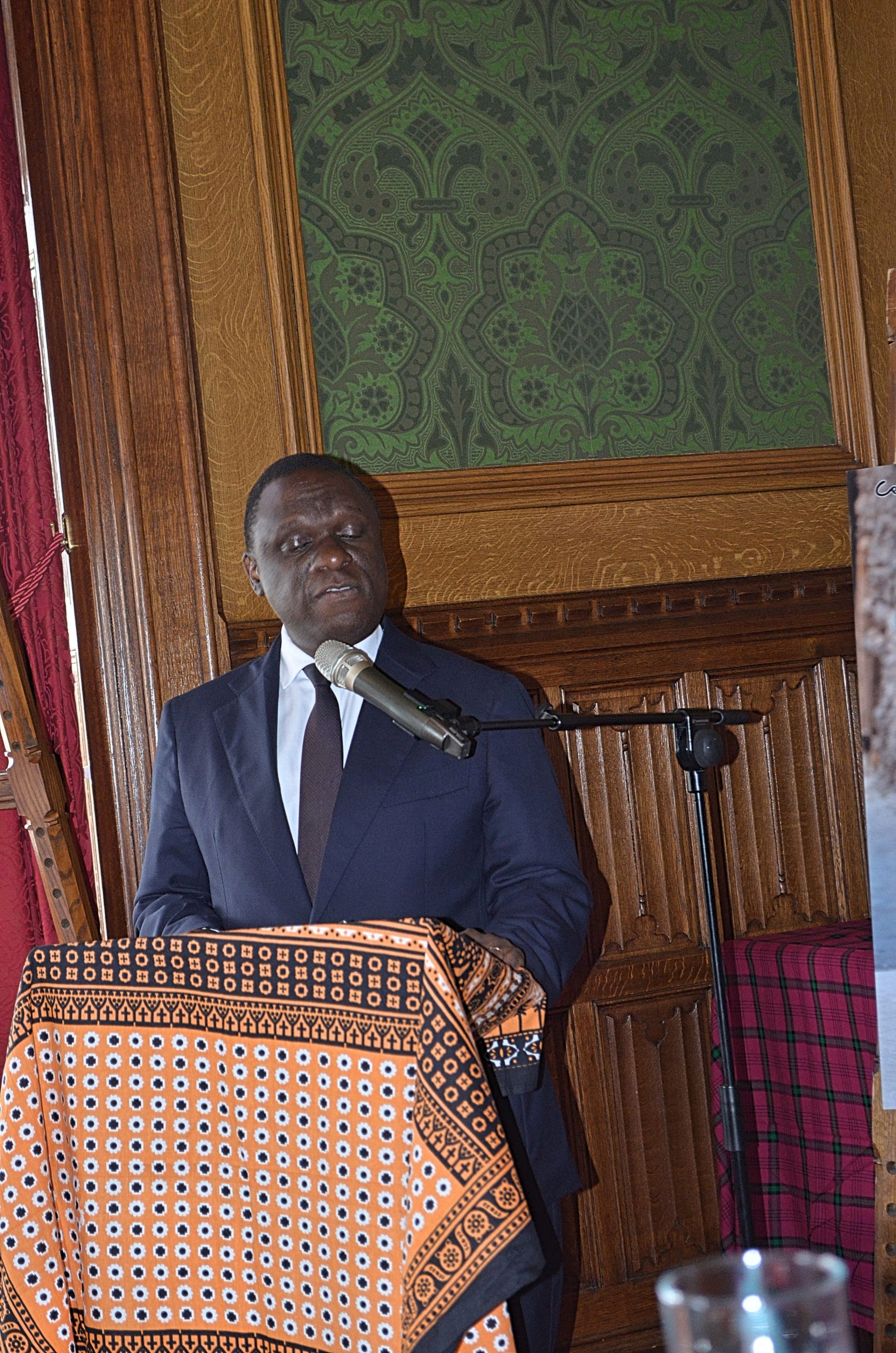
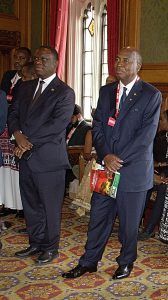
Mr Mbelwa Kairuki, Tanzania's High Commissioner to the UK, in his keynote speech, made a passionate appeal to boost Kiswahili globally. Photo SHAMLAL PURI
By SHAMLAL PURI in London
Senior Editor and Associate Publisher
shamlalpuri4@gmail.com
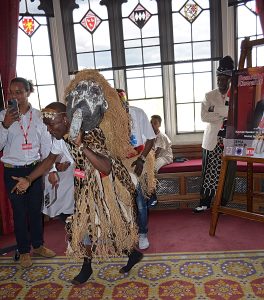
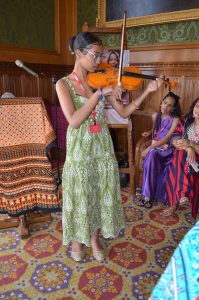
Sounds of drumbeats reverberated in the iconic British Parliament on Thursday when scores of people from various diasporas gathered in the House of Lords in London to mark the fourth annual World Kiswahili Day, celebrating the beauty and richness of Swahili, the lingua franca of East Africa.
Miles away from their ancestral homes, across the oceans, they enjoyed an evening of fanfare, resonating with the warmth of the wananchi (citizens) and the nostalgia of growing up in the land of beautiful lakes and mountains, the land of Kilimanjaro, to be precise.
The Rt hosted the event. Hon. Lord Paul Boateng by the kind permission of the Lord Speaker of the House of Lords, Lord McFall of Alcluith. The event was attended by top diplomats and high-ranking diplomats from several countries, including Ndolamnb Ngokwey, Ambassador of the Democratic Republic of Congo, Col (Rtd) Christian M Katsande of Zimbabwe, Mr Michael Lee Naruseb, Second Secretary Political, who attended on behalf of Ms Linda Scott, High Commissioner for Namibia, Ms. Macenje “Che Che” Mazoka, Zambia’s High Commissioner, Mr Jeremiah Nyamane Mamabolo, South Africa’s High Commissioner and Ambassador Lalisa Birhanu, Deputy Head of Mission, Republic of Ethiopia.
The highlight of the event was the keynote speech by Ndugu Mbelwa Kariuki, High Commissioner of the Republic of Tanzania to the United Kingdom.
He paid tribute to the efforts made by the diaspora to boost Kiswahili in the United Kingdom. He felicitated the organisers of this event, Sema Jambo-MTM for organising this annual gathering at the House of Lords and highlighting the importance of the language in this country, not only as reminder for those who have settled in the UK but also as a constant reminder to the UK-born younger generation of the East African diaspora to remember their roots.
“As we mark World Kiswahili Day 2025, I am honoured to join fellow advocates in celebrating a language that embodies unity, identity, and shared progress.
“Kiswahili is not just a means of communication, it is a bridge connecting cultures, generations and nations.”
He said that under the leadership of President Samia Suluhu Hassan, “Tanzania continues to champion Kiswahili as a language of diplomacy, education, innovation and integration across Africa and beyond.
“With over 200 million speakers, Kiswahili is Africa’s most widely spoken language and a powerful tool for building inclusive, peaceful, and prosperous societies,
“I encourage academic institutions, cultural organisations and the African diaspora to invest in Kiswahili growth and visibility.
“In particular, I call for greater collaboration between Tanzania and the United Kingdom in education, research and cultural exchange, to promote Kiswahili as a global language of connection and opportunity.”
“Let us continue to elevate this language as a living symbol of African resilience and a key to unlocking global understanding.”
He thanked the organisers of the event, Sema Jambo, and its Founder, Kenyan broadcaster Abdul Sheikh, popularly known as Big Q, as well as his son, Junior Sheikh, and their team, for making a sincere effort to promote Kiswahili in the United Kingdom.
“I would like to thank the House of Lords for hosting this event in this historic building.”
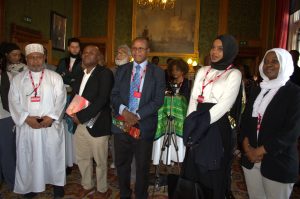
He highlighted the cultural importance of Kiswahili not only in Tanzania but also in neighbouring countries, including Kenya, Uganda, the Democratic Republic of Congo, Rwanda, Burundi, Zimbabwe, and Zambia, among others.
He said that Kiswahili was not only a language but a culture. He emphasised the importance of the language in Tanzania and the efforts made to ensure its preservation as the country’s official language. He said that Kiswahili is now the language of Parliament, the Court, and the general public.
Kiswahili is now one of the official languages of the African Union, a testament to its rapid growth in importance. He assured that Tanzania is happy to support the growth and development of the Kiswahili language and literature anywhere. He urged everyone interested to join hands and develop the language for the benefit of the people everywhere in the diaspora.
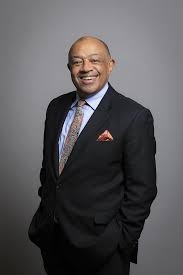
Mr Sheikh – Big Q – said, “We extend our heartfelt thanks to each of you for being part of our historic World Kiswahili Day at the House of Lords. Your presence truly enriched the celebration of Kiswahili – a language cherished across 19 African countries, three Middle Eastern nations, one South American country, and by the vibrant Swahili-speaking diaspora around the world.”
It is worth noting that Kiswahili was not given much importance as a language in Uganda and Kenya, except on the Kenyan coast, until recently. It is interesting to note that Uganda’s President Yoweri Kaguta Museveni speaks fluent Kiswahili, as he spent his formative years in Tanzania, studying at the University of Dar es Salaam. Kenya chose to give importance to English while making less effort to boost Kiswahili.
It is also worth noting that Kiswahili has an essential place in the UK. The BBC World Service laid the foundation for the Kiswahili Service from its original base at Bush House in the Strand area of Central London. This service featured notable broadcasters and journalists, including the late Ahmed Rajab, who passed away recently, whose memory is honoured by the Sema Jambo SJA Lifetime Achievement Award.
BBC Swahili has over 2.5 million fans on Facebook, 131,000 followers on Twitter and 803,000 followers on Instagram. These are no mean figures,
Caroline Karobia, Editor of BBC Swahili, said when celebrating the network’s 60th anniversary: “We are so proud of our great broadcasting history and hope we can carry on improving and serving our audiences for many years to come. We are excited by the possibilities opened up by new technology to engage even more closely with our audience in the future.”
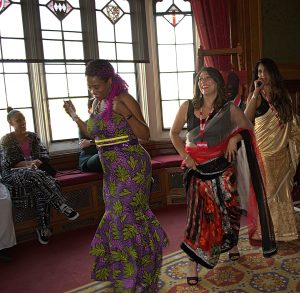
The London School of Oriental and African Studies has a Kiswahili Department from which many language enthusiasts have earned their degrees.
The importance of the Kiswahili language cannot be ignored. Their language is going places and getting recognised internationally,
Swahili is a Bantu language enriched in vocabulary by loan words from other languages, notably Portuguese, Arabic, Hindi, and Urdu, with Arabic being the primary source. It is the mother language of the Waswahili, found along the East African coast and the islands of Zanzibar, Pemba, Kilwa, and the Comoros.
In the celebrations that have expanded over the past few years, with the introduction of the Sema Jambo Awards (SJA), the event, held at the iconic Westminster Central Hall, has given added impetus to the celebrations and increased media exposure.
This remarkable event was first launched on 7 July 2022, which we covered in the Diaspora Times Global, at the prestigious House of Lords, marking the beginning of a new tradition of honouring the cultural and linguistic significance of Kiswahili.
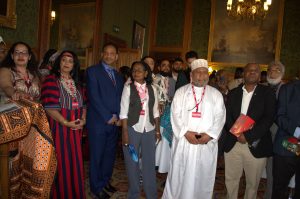
The event has garnered significant attention, doubling the number of nominees for the prestigious SJA Crystal, also known as the Sema Jambo Award, and attracting an increased guest list, including several missions accredited to the United Kingdom.
This growing recognition and participation align with the resolution adopted at the 41st session of the General Conference of UNESCO, which acknowledged the vital role of the Kiswahili language in promoting cultural diversity, creating awareness, and fostering dialogue among civilisations, notes the organisers in their report.
“As we gather to celebrate this year’s World Kiswahili Day, we are thrilled to witness the continued growth and enthusiasm surrounding the event,” said the organisers.
Similar Posts by Shamlal Puri:
- KENYAN HOCKEY LEGENDS HONOURED IN LONDON
- Tourism bonanza for the Middle East: FOUR DAYS WHEN THE WORLD CAME UNDER ONE ROOF IN DUBAI
- LONDON PACKAGING WEEK WITH TOP GLOBAL BRANDS ATTRACTS THOUSANDS OF VISITORS
- UK’S NATIONAL HEALTH SERVICE IN BIZARRE COLOUR BAR CRISIS
- UK’S NATIONAL HEALTH SERVICE IN BIZARRE COLOUR BAR CRISIS:
About the Author

 The Mt Kenya Times