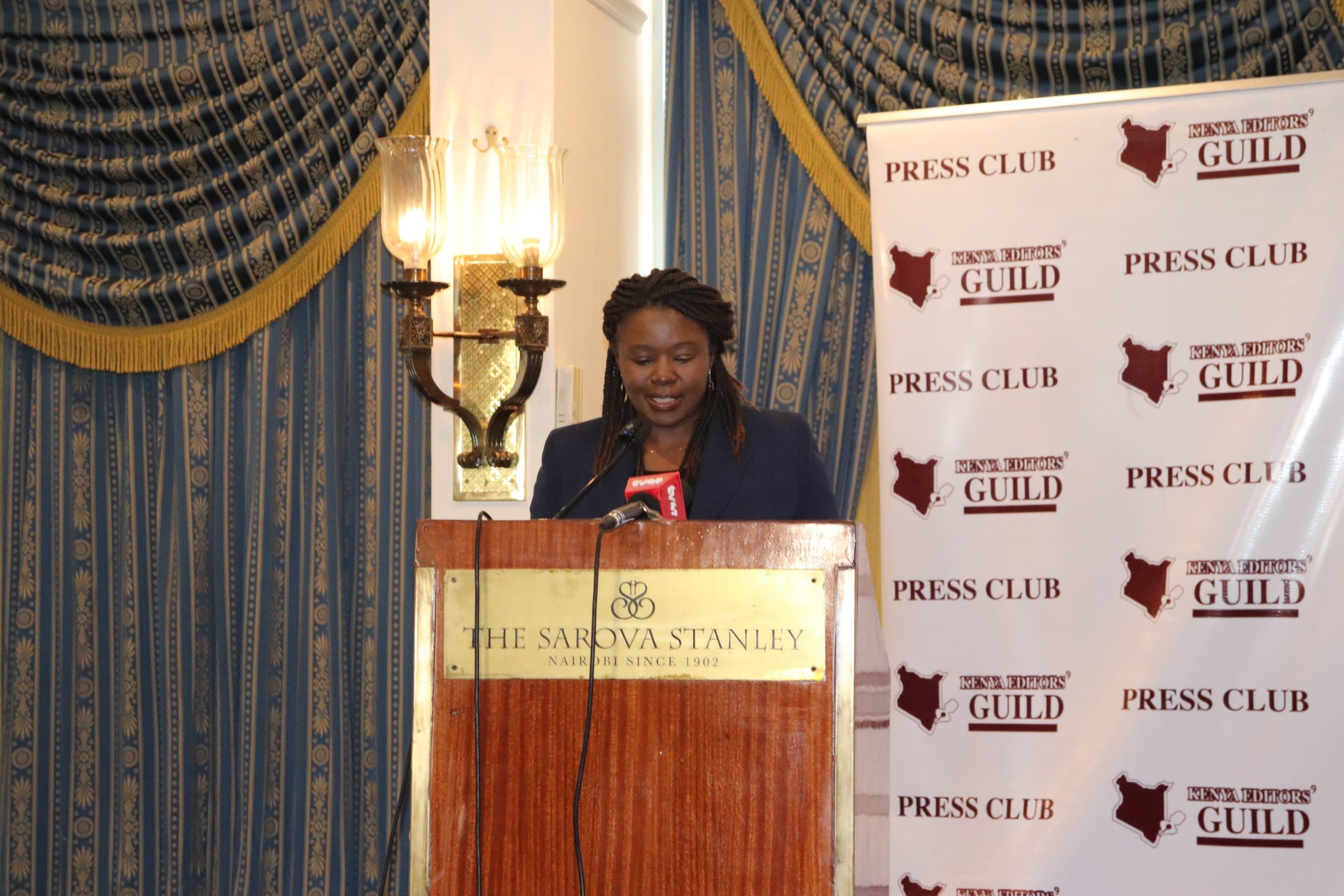
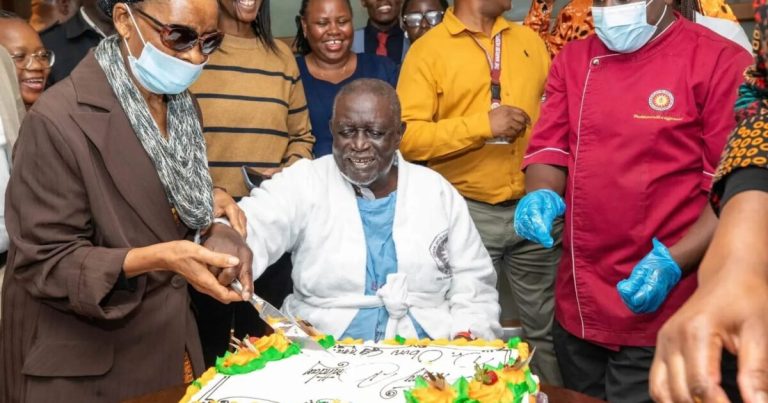
In picture, Kenya Editors Guild (KEG) Chief Executive Officer Rosalia Omungo, during the Thought Leadership Series event in Nairobi.
By Aoma Keziah,
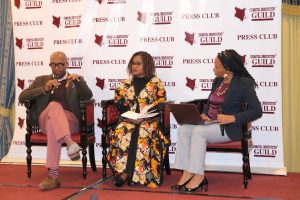
The Kenya Editors’ Guild brought together editors and reporters for a discussion on the far reaching effects of funding cuts to health and development programs across Africa. The conversation took place during the Guild’s ongoing Thought Leadership Series, which focuses on issues that shape how newsrooms cover complex subjects.
Speaking during the session, KEG Chief Executive Officer Rosalia Omungo reminded participants that the Guild’s core duty is to uphold high standards in journalism, noting that reporting on health and development needs special care to ensure that stories go beyond numbers and policy statements.
“As journalists, we must take time to understand the real impact these funding cuts have on communities. Newsrooms have a duty to ask tough questions and present information that helps citizens and policymakers see the bigger picture,” she noted.
The KEG CEO further urged that reporters should be equipped with the right knowledge and tools to report compellingly on the impact of aid cuts on health and development outcomes, both in Kenya and across the region.
The session also heard from health experts and development partners, who stressed that reductions in Official Development Assistance could stall progress made in fighting diseases and improving basic services. Editors were encouraged to give these issues more space and to push for stories that highlight both challenges and local solutions.
Dr. Willis Akhwale, Special Advisor End Malaria Kenya, highlighted that they only calculate the unit cost of health commodities.
“Also effective program delivery requires much more including skilled human resources, a responsive health system, monitoring & accountability systems, and innovation and research capacity,” he remarked.
Dr. Githinji Gitahi Grpup CEO Amref Health Africa noted that we need to shift from focusing solely on healthcare (curative) to investing in health preventive, promotive, and community-based care
“Health in Kenya is not primarily funded by donors. It is funded by citizens through taxes and personal spending. That’s a critical point to understand when we discuss donor dependency and domestic accountability,” he said.
During the session, participants agreed that good reporting on health and development demands more research and collaboration. They called for more training opportunities for journalists covering these beats and urged newsroom leaders to invest in stories that help the public make sense of complex funding dynamics.
“ When we talk about ODA we must also talk about the opaqueness that surrounds it. Aid does not always directly benefit the partner countries for whom it is intended,” underscored MaqC Gitau, Group CEO, Development Dynamics.
The Kenya Editors’ Guild promised to keep supporting editors and reporters through discussions and training that build skills and strengthen accountability in the media.
Similar Posts by Aoma Keziah:
- Nationwide Youth Business Drive Enters Last Lap With New Nyota Trainings
- Green Light From Washington Sets G42 On Fast Track to Build Region’s Most Powerful AI Network
- Safina Eyes Kariobangi North Seat in Intensified Push Before Poll Day
- KEBS Opens Talks With Manufacturers On New Standards Levy Order 2025
- Kenya, Uganda And South Sudan Chart Way Forward On East Africa Rail Corridor
About the Author

 The Mt Kenya Times