The Mt Kenya Times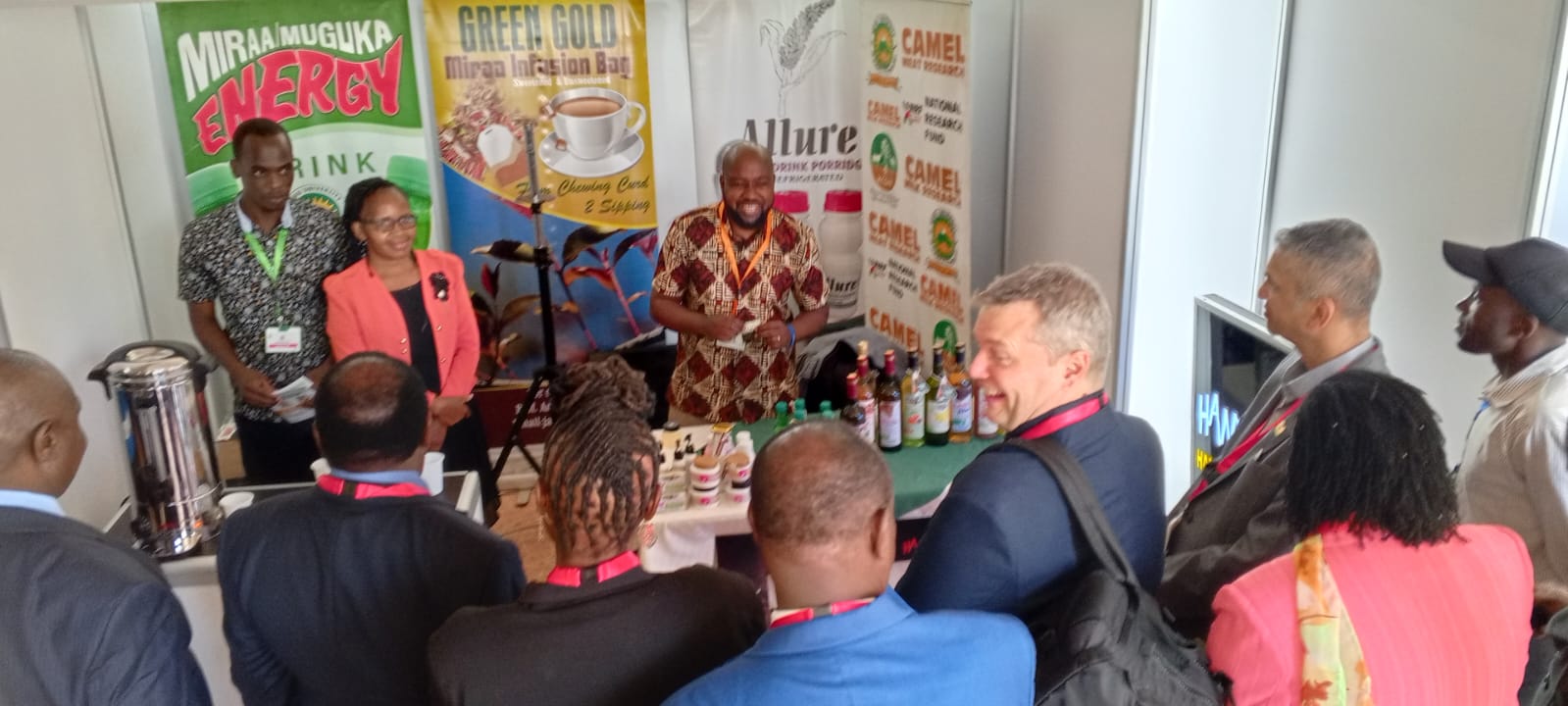
Guests are shown miraa products such as wines,energy drinks chewing gums and capsules at the Meru University of Science and Technology. Photo Dennis Dibondo

By Dennis Dibondo
Meru University of Science and Technology has launched the fourth innovation and exhibition week that started yesterday and ends tomorrow.
The institution’s Vice Chancellor Romanus Odhiambo said they were showcasing some of the innovation from Undergraduate, Master and PHD students and even lecturers from different faculties at the university.
“We also have a lot of work from TVET institutions that we are working together with,” Professor Odhiambo said.
He said they are trying to push the idea of research innovation commercialisation and extension (RICE).
Odhiambo said they are trying to open up the market for new innovators to showcase their work and access the market.
He said they are working with the ministry of higher education to get more funding for innovators.
Some of the innovations that were showcased included wine juice chewing gums and tea bags, capsules made from Miraa. Black soldier flies products such as animal and fish feeds that are made from waste were also showcased. Camel milk products such as lotion, soap and shampoo.
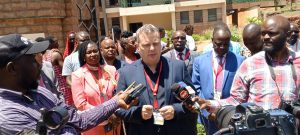
“We are also trying to get certification for some of our products. Last week I sent my team to the Kenya Bureau of Statistics as we have miraa products that have been value added and we need them to get to consumers,” Odhiambo said.
Odhiambo said they are the first university to have an office that recognises innovations and research and supports them.
“We have an office that identifies the potential IP value of the products that we have and try to go to KEBS to have them potented and ready for the market,” Professor Odhiambo said.
Odhiambo said the university is working closely with the Kenya National Innovation Agency.
He took the chance to welcome people to the 13th graduation where a total of 3112 students will graduate. 50 students will be graduating with masters and 7 with PHDS all in science and technology.
Chairman of the Council Professor James Nkanya said its a very important week for the institution.
“We want to change from where we were doing research and putting the books on the shelves. We want to be more practical and actualisation,” Nkanya said.
Nkanya said the media should play an important role to amplify the innovations so that Kenyans can know what they are doing.
“For instance we have a machine that can diagnose cancer cells in a week while some patients go all the way to Nairobi and take weeks to be diagnosed,” Nkanya said.
Nkanya said they are ready to partner with local hospitals to diagnose cancer cases.
Paul Potter from the British Council who was chief guest said they have been working with universities in Kenya to see how innovation can sustain the institution’s ecosystems.
“We see ourselves as partners, collaborators and connectors not as funders as we are all living in a challenging world but if we work together we can better our world,” Potter said.
He said kenyans should find out what works for them and focus on that innovation as innovation from Europe might not be ideal for Kenya.
Similar Posts by The Mt Kenya Times:
- Mt Kenya Times ePAPER October 8, 2026
- Nyoro suspended over pipeline IPO claims
- Kirigiti gets its first primary school as construction begins
- National Assembly approves Fatuma Ali for parliamentary commission
- The five types of teachers found in WhatsApp professional groups
About the Author