The Mt Kenya Times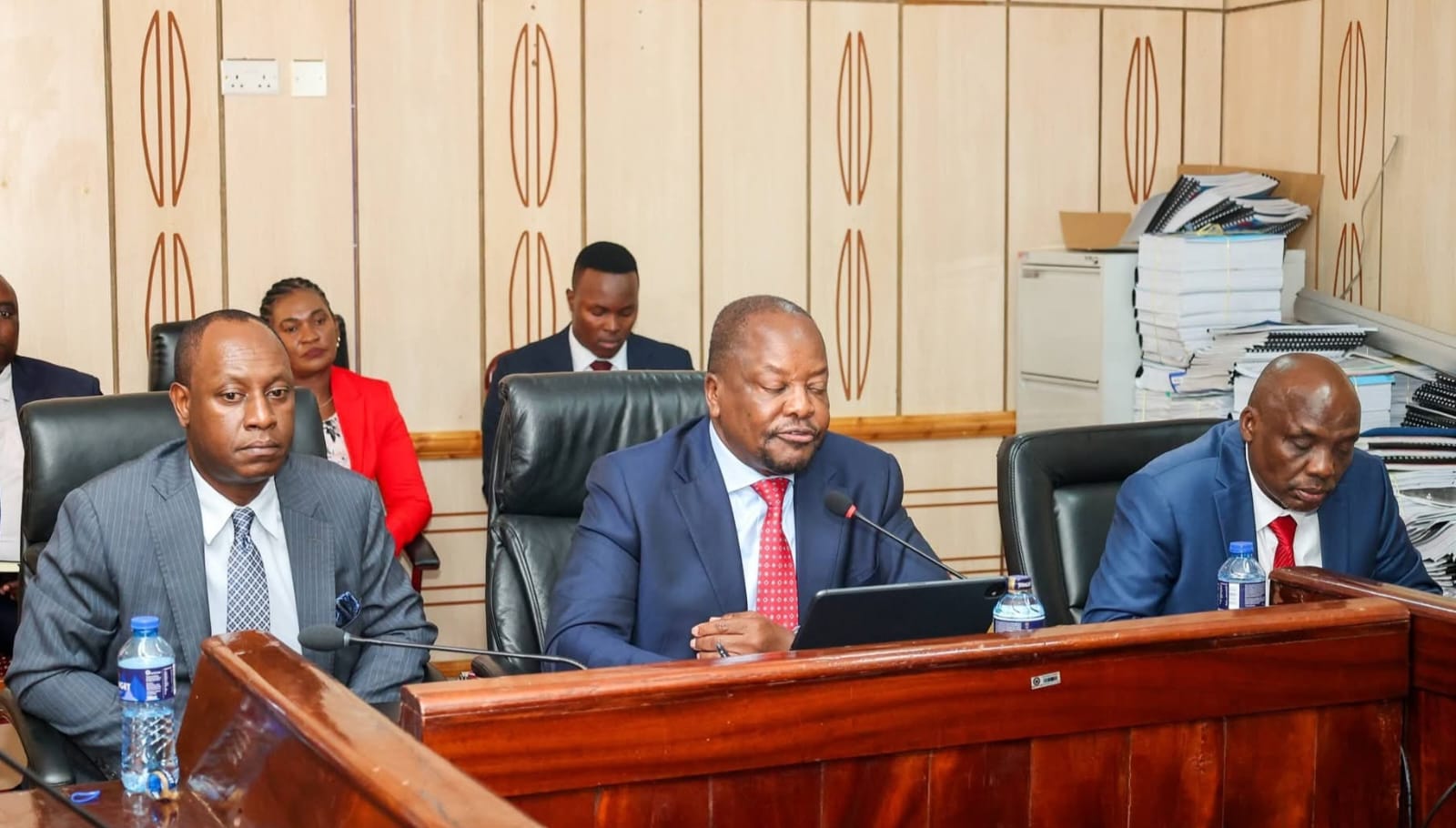
CS Mutahi Kagwe (centre) with PSs Jonathan Mueke (left) and Paul Rono (right).
By Suleiman Mbatiah
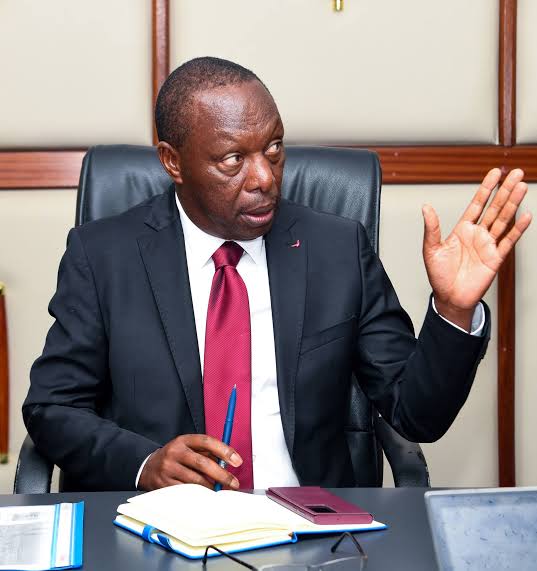
The government will not back down on implementing the Tea Levy Regulations 2026 despite mounting pressure from exporters and foreign buyers, Agriculture Cabinet Secretary Mutahi Kagwe told MPs while defending the ministry’s KSh79.06 billion budget estimates for the 2026/27 financial year.
Appearing before the National Assembly Agriculture and Livestock Committee chaired by Tigania West MP John Mutunga, Kagwe defended the newly introduced 0.8 per cent export levy and 100 perbcent import levy on tea, describing the measures as critical to protecting Kenya’s tea industry, strengthening global branding and financing long-overdue sector reforms.
The levy, which took effect on May 1 and is being collected by the Kenya Revenue Authority on behalf of the Tea Board of Kenya, is expected to finance tea marketing, research, modernization, infrastructure and geographical indication branding aimed at ensuring Kenyan tea is identified and sold globally as a premium product.
Kagwe argued that Kenya has for years exported large volumes of tea while foreign markets and international blenders captured the highest value from the commodity, leaving local farmers exposed to fluctuating auction prices and low earnings.
“Parliament passed this levy for a reason. Kenyan tea is globally known, but in many markets, there are no geographical indicators to show it is Kenyan tea,” Kagwe told lawmakers while defending measures aimed at protecting the identity and value of Kenyan produce.
“Going back would be a huge mistake. All countries that trade seriously in tea charge levies to develop their markets,” Kagwe added, insisting Kenya’s levy remains lower than rates imposed by several competing tea-exporting countries.
The Cabinet secretary was responding to concerns raised by Committee Vice Chairperson Brighton Yegon over objections from Pakistan-based tea buyers and exporters who fear the levy could increase the cost of Kenyan tea at the Mombasa auction and reduce competitiveness in key international markets.
Pakistan remains Kenya’s largest tea buyer, accounting for more than 35 per cent of total tea exports, followed by Egypt, the United Kingdom, the United Arab Emirates and Sudan.
Industry data shows Kenya exported tea worth approximately KSh218.79 billion in 2025 following improved global demand and expanded export volumes.
The government says the reforms are part of broader efforts to increase farmer earnings from an average of about KSh59 per kilogram in 2022 to nearly KSh100 per kilogram by 2027 through value addition, orthodox tea production, market diversification and direct global marketing initiatives.
More than 834,000 smallholder tea farmers are expected to benefit from the reforms.
However, the rollout of the levy has generated resistance within sections of the tea industry. Traders and exporters have warned that the additional charges could make Kenyan tea more expensive compared to tea from Rwanda and Burundi, especially at a time when global shipping disruptions and rising freight costs are already squeezing exporters’ margins.
Some stakeholders have also questioned the legality and implementation timeline of the levy, arguing that parts of the regulations had not been fully gazetted before enforcement began. Exporters additionally reported technical disruptions within the KRA customs payment system during the first days of implementation.
The latest reforms come as Kenya’s tea sector undergoes one of its biggest restructuring efforts in recent years. The Tea Board of Kenya and the Ministry of Agriculture have introduced measures targeting green leaf hawking, delayed farmer payments, falsification of weighment records and exploitation by middlemen.
Authorities have also tightened controls on imported tea to prevent dumping of low-quality products that could damage Kenya’s international reputation.

The ministry further noted that agriculture contributes about 22.5 per cent of Kenya’s gross domestic product and supports more than 40 percent of the country’s workforce, making reforms in tea, coffee and livestock sectors central to the government’s Bottom-Up Economic Transformation Agenda.
Kagwe also outlined ongoing government priorities including fertilizer subsidies, irrigation expansion, climate-smart agriculture and commercialization programs targeting export crops such as coffee, avocados, mangoes, pyrethrum, macadamia and vegetables.
“Farmers must elect good leaders. In many cases, huge loans are borrowed and later nobody can explain how the money was used,” Kagwe told the committee while cautioning against repeated debt write-offs without stronger accountability systems within cooperatives and factories.
Lawmakers additionally examined proposals seeking to transfer livestock resources from the State Department for Agriculture to the State Department for Livestock Development, alongside plans to recruit 1,450 Ward Agricultural Liaison Officers to strengthen coordination between farmers, county governments and national agencies.
The debate over the tea levy also comes amid wider uncertainty in global tea trade routes after conflict in the Middle East disrupted shipping lanes linked to the Strait of Hormuz and Bab el-Mandeb, slowing exports to key markets and increasing transport costs for Kenyan exporters. Industry officials estimate Kenya has recently been losing millions of dollars weekly due to logistical bottlenecks affecting tea shipments.
In yesterday’s forum, Kagwe was accompanied by among other his ministry’s Principal Secretaries Paul Rono (Agriculture) and Jonathan Mueke (Livestock Development).
Similar Posts by The Mt Kenya Times:
- Mt Kenya Times ePAPER October 27, 2026
- Sifuna draws hope from Serbia and Brazil as Kenya’s 2027 race heats up
- Uhuru calls for unity as he marks 65th birthday
- Kenya establishes international crimes division: Justice delayed, but will it be delivered?
- World marathon champion Jepchirchir suspended in fresh blow to Kenya’s clean sport drive
About the Author