Kenya grinds to a halt as opposition rallies behind fuel protests
Protests
By MKT Correspondents
Kenya yesterday faced widespread transport paralysis and growing political tension as opposition parties intensified attacks on President William Ruto’s administration over soaring fuel prices, rising cost of living, and what they termed as government insensitivity to public suffering.
The nationwide disruption followed sharp increases in fuel prices announced by the Energy and Petroleum Regulatory Authority (EPRA) last week, with diesel rising by KSh46.29 per litre and super petrol by KSh16.65.

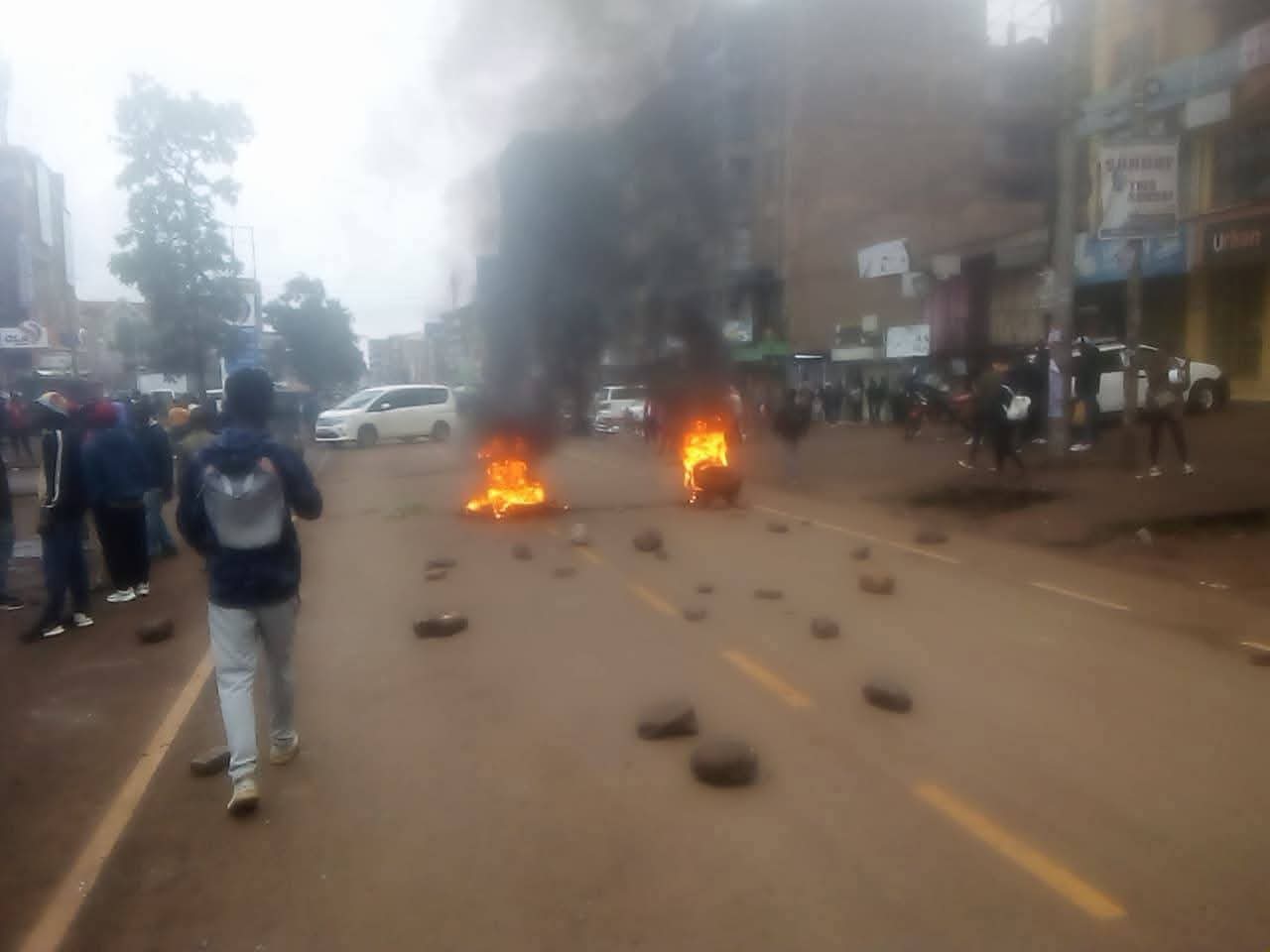
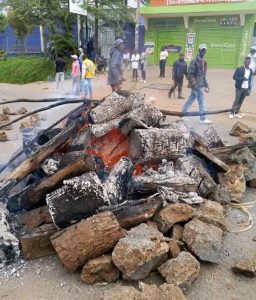
The increases triggered protests and transport shutdowns in several towns, leaving thousands of commuters stranded and businesses counting heavy losses.
Opposition leaders seized on the crisis to accuse the government of economic mismanagement and failure to cushion ordinary Kenyans from rising living costs.
The Democratic Party of Kenya warned that the transport paralysis was crippling industries, public services, agriculture, and trade, saying the country was staring at “economic armageddon.”
“Businesses are suffering immense losses daily. Our ports and airports are directly affected, while produce destined for foreign markets is delayed, damaged, or destroyed,” the party said in a statement, adding that Kenya’s credibility as a reliable trading partner was under threat.
The party demanded urgent government intervention to restore normalcy and protect livelihoods, warning that the casual handling of the crisis was alarming investors and development partners.
 Democratic Party leader Justin Muturi sharply criticized Interior Cabinet Secretary Kipchumba Murkomen over remarks linking the protests to political incitement, accusing the government of intimidation and deflection instead of addressing citizens’ grievances.
“Kenyans are not protesting because they have been influenced. They are protesting because life has become unbearable,” Muturi said, after the CS addressed the press outside his Harambee house.
The former Attorney General argued that rising fuel prices had worsened food inflation, crippled businesses, and increased pressure on farmers, matatu operators, and households already struggling to survive.
Muturi also dismissed comparisons between the current protests and previous administrations, saying Kenyans were reacting to present economic hardships rather than political nostalgia.
“The solution is not intimidation or endless excuses. The government must urgently return to Parliament, remove punitive fuel levies and consider subsidies,” he said.
Wiper Patriotic Front leader Kalonzo Musyoka also joined the criticism, blaming the crisis directly on President Ruto’s administration.
In a statement, Kalonzo described the fuel price hikes as “punishing” and accused the government of implementing them without consultation or compassion.
“This is not a natural disaster. It is the calculated and foreseeable consequence of a regime that has chosen its interests over the welfare of the people,” he said.
Kalonzo defended the transport sector strike as a legitimate response to economic hardship and claimed the rising fuel prices were disrupting supply chains and commerce across the country.
He called on Energy Cabinet Secretary Opiyo Wandayi to reverse the fuel price increases and resign, while urging the government to open immediate dialogue with transport operators.
“The grievances are real, their members are suffering, and stonewalling them is not governance; it is negligence,” Kalonzo said.
The Jubilee Party, led by former Interior Cabinet Secretary Fred Matiang’i, also declared solidarity with protesting Kenyans during a delegates’ meeting in Kiambu Town.
Matiang’i accused the Kenya Kwanza administration of presiding over economic pain, insecurity, and governance failures, saying the country was at a standstill because of corruption and incompetence.
“At a time when citizens are crying out for relief, policies that further burden the common mwananchi must be reconsidered with urgency and compassion,” Matiang’i said.
Jubilee leaders said they had postponed their political activities in solidarity with citizens affected by the protests and economic hardship.
The mounting political pressure came as businesses, manufacturers, and transport operators warned of worsening economic disruption if the fuel crisis is not urgently resolved. Industry players cautioned that prolonged protests and transport shutdowns could further increase food prices, interrupt supply chains, and deepen economic instability.
Despite growing criticism, the government has defended the fuel pricing adjustments as necessary under ongoing energy sector reforms and broader fiscal stabilization measures.
However, pressure continues to mount on the administration to introduce relief measures amid escalating public anger over the cost of living.
Similar Posts by The Mt Kenya Times:
- Diaspora Times Global Oct 17 – Oct 23, 2026
- Is social media a blessing or a curse for university students?
- Light at last: How electricity is reshaping Nandi and Uasin Gishu
- The triple squeeze: how EPRA’s fuel price hike is reshaping the survival equation for the common mwananchi
- Zelenskyy accuses Trump of rewarding Putin as Pope pleads for peace from a hospital bed
About the Author