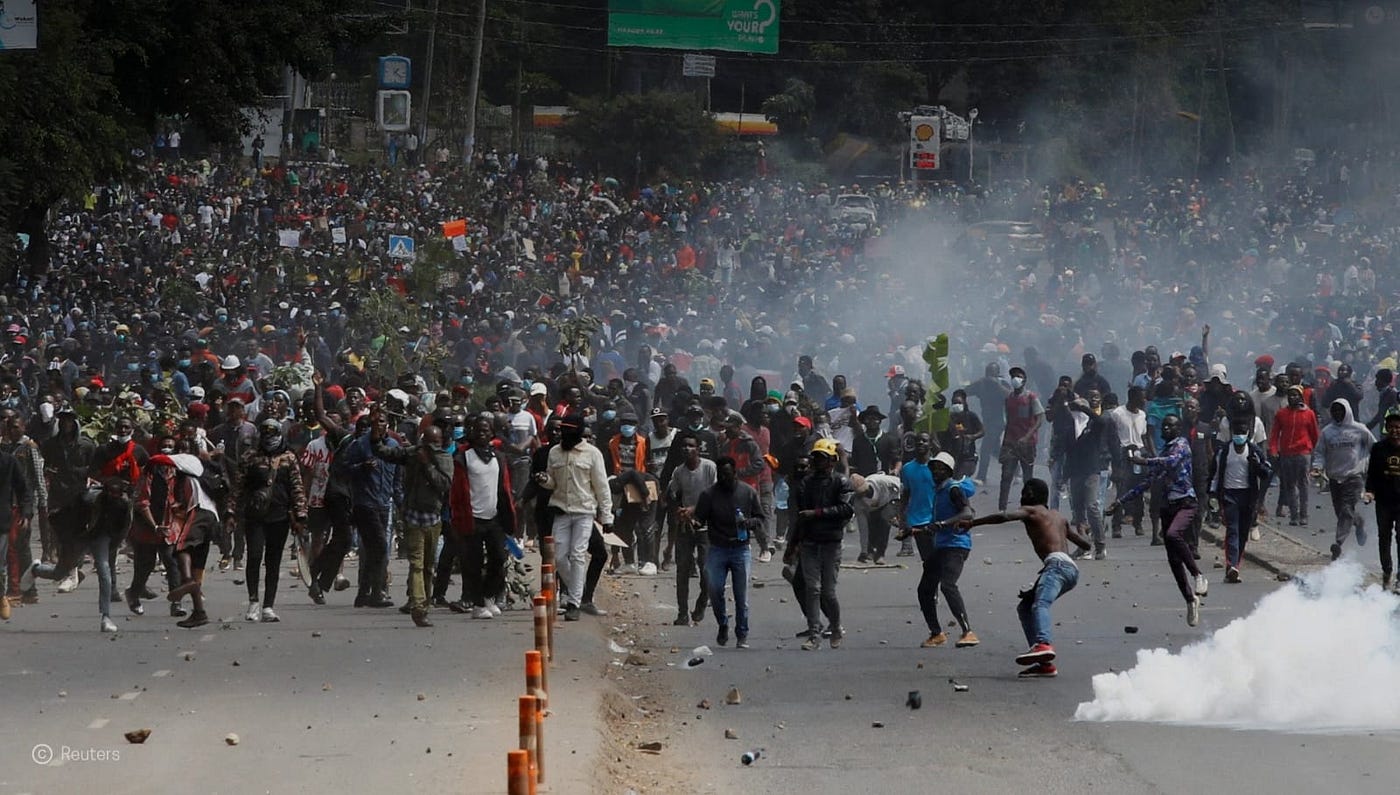
Gen Z protests
Threats have been issued, meetings convened and others cancelled. As the second anniversary of the Gen Z protests arrives today, the nation that was remade by its youth two years ago stands at the edge of another defining moment.
By MKT Reporter
Kenya marks the second anniversary of the June 25, 2024 protests today, as thousands prepare to take to the streets amid government warnings, allegations of state-sponsored violence, and demands for justice that remain unanswered two years on.
More than 120 people were killed in the movement that galvanised a generation of young Kenyans, initially triggered by an overarching tax bill before rapidly broadening into a reckoning with inequality, unemployment, and government corruption. Two years later, the grievances have not been resolved. The government has introduced another Finance Act. The youth are still unemployed. The dead have not been accounted for. And today, thousands are expected to take to the streets again.
The tension in the days leading to this anniversary has been acute and, at times, alarming. At the centre of it is a polarised national mood in which calls for remembrance and accountability are increasingly colliding with fears of infiltration, organised disruption, and potential breakdown of public order. It is not just the government that is anxious. Young people, clergy, business owners, boda boda operators, and school administrators have all been watching the clock with a mixture of apprehension and determination.
President William Ruto struck a firm line. Speaking at a state event on June 19, he warned that demonstrations would not be permitted to descend into destruction. “The one thing that is not going to happen is that people will be mobilised to destroy property or to cause chaos or mayhem,” he said. “Children will go to school because it’s their right to go to school. Workers will go to work because that’s how we raise the productivity of our nation.” Government Spokesperson Dr Isaac Mwaura declared June 25 a normal working day, a statement that organisers received with barely concealed contempt.
Activists have been equally direct. “We are commemorating fellow Kenyans who lost their lives. Demonstrating is a constitutional right and we will proceed peacefully,” said activist Nyanjom Joshua at a press briefing in Nairobi. Organisers have urged participants to carry flowers and Kenyan flags, to document everything on their phones, and to avoid any confrontation with police. Kenya Human Rights Commission official Fredrick Ojiro urged protesters to maintain peace and avoid destruction of property.
Former Deputy President Rigathi Gachagua injected his own dramatic note into the proceedings. Speaking at his Wamunyoro home in Nyeri County, Gachagua alleged that State officials had set aside millions to finance individuals who would disrupt demonstrations in Nairobi and the Mt Kenya region. “We are aware that millions were withdrawn this morning from a bank in Upper Hill for mobilising goons to unleash terror in Mt Kenya and Nairobi,” he claimed, without providing evidence. He further alleged that senior police officers had confided that they had been instructed not to intervene as hired groups caused destruction. The government flatly denied all of it.
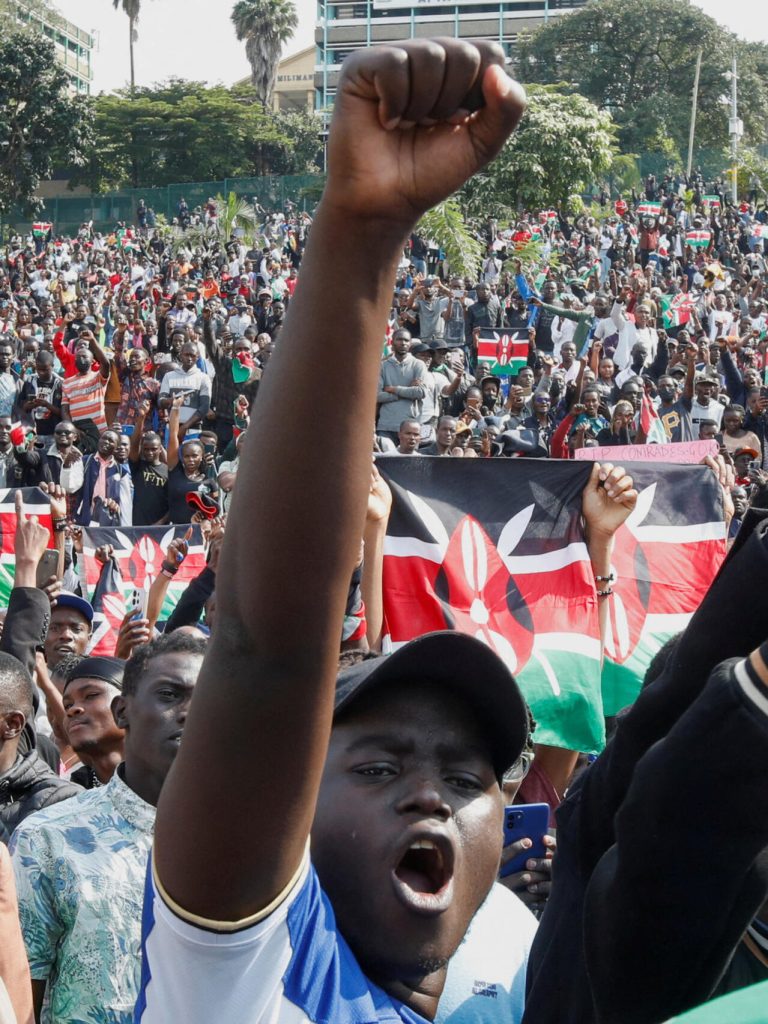
The security architecture deployed for today tells its own story. Nairobi Regional Police Commander Issa Mohamud said as recently as Tuesday that police had received no official notification from organisers of the memorial march — a claim that organisers dispute — while assuring residents that law enforcement remains prepared to maintain peace and protect the public. Security firm Securex Agencies issued a separate advisory urging motorists to plan for possible road closures, traffic delays, and disruptions across affected areas, with heightened deployments expected across Nairobi’s Central Business District and around Parliament.
During last year’s first anniversary on June 25, 2025, at least 16 people were killed and more than 400 injured. That memory sits heavily on everyone involved — on the parents of the dead, on the organisers who carry moral responsibility for crowd safety, and on a government that cannot afford another bloodbath in an election year.
The clergy have not been silent. The Kenya Conference of Catholic Bishops, in a statement that carried unusual bluntness, called for truth, accountability, and healing ahead of the commemoration, while the Inter-Religious Council of Kenya called for national reflection and peace. The bishops specifically condemned the use of goons to disrupt peaceful protests and demanded independent investigations into abductions, enforced disappearances, and extrajudicial killings that have accumulated since 2024.
What makes this anniversary politically combustible is the scramble among opposition politicians to associate themselves with the Gen Z movement ahead of the 2027 general election. Analysts note that young people, if they register and vote in large numbers, could be the most disruptive electoral force in Kenya’s history. “Unresolved cases of police brutality and fresh incidents reported in the past months have rekindled public outrage. The recent hike in fuel prices and remarks by allies of President Ruto that the regime may interfere with votes in next year’s general election have further angered Kenyans,” analyst David Kuria warned.
Rights groups have demanded that June 25 be declared a public holiday, to be known as a day of national remembrance for the young people who died. Wiper leader Kalonzo Musyoka has called on the government to pay the Sh2 billion promised to victims’ families before today passes. The government has not yet confirmed it has done so.
The Gen Z movement remains deliberately leaderless, organised on WhatsApp, TikTok, and X, with no fixed headquarters and no official spokesperson — a structure that has consistently frustrated both government attempts at suppression and political attempts at co-option. It is, in that sense, the most honest political force in Kenya: it represents nothing except the accumulated frustration of a generation that was told to wait its turn and decided, two years ago today, that it would not.
What happens in the streets today will not resolve that frustration. But it will tell Kenya — and the watching world — whether a government that has so far answered legitimate grievance with threat and delay has learned anything at all.
Similar Posts by The Mt Kenya Times:
- Mt Kenya Times ePAPER October 1, 2026
- Museveni backs Lamu but keeps Uganda’s money at home
- Sifuna’s party wins its name — and Kenya’s opposition race begins in earnest
- Lamu’s $16B gamble: Africa’s biggest refinery divides the region
- Ruto launches KSh2.2 trillion Lamu refinery in East Africa’s biggest energy bet
About the Author