The Mt Kenya Times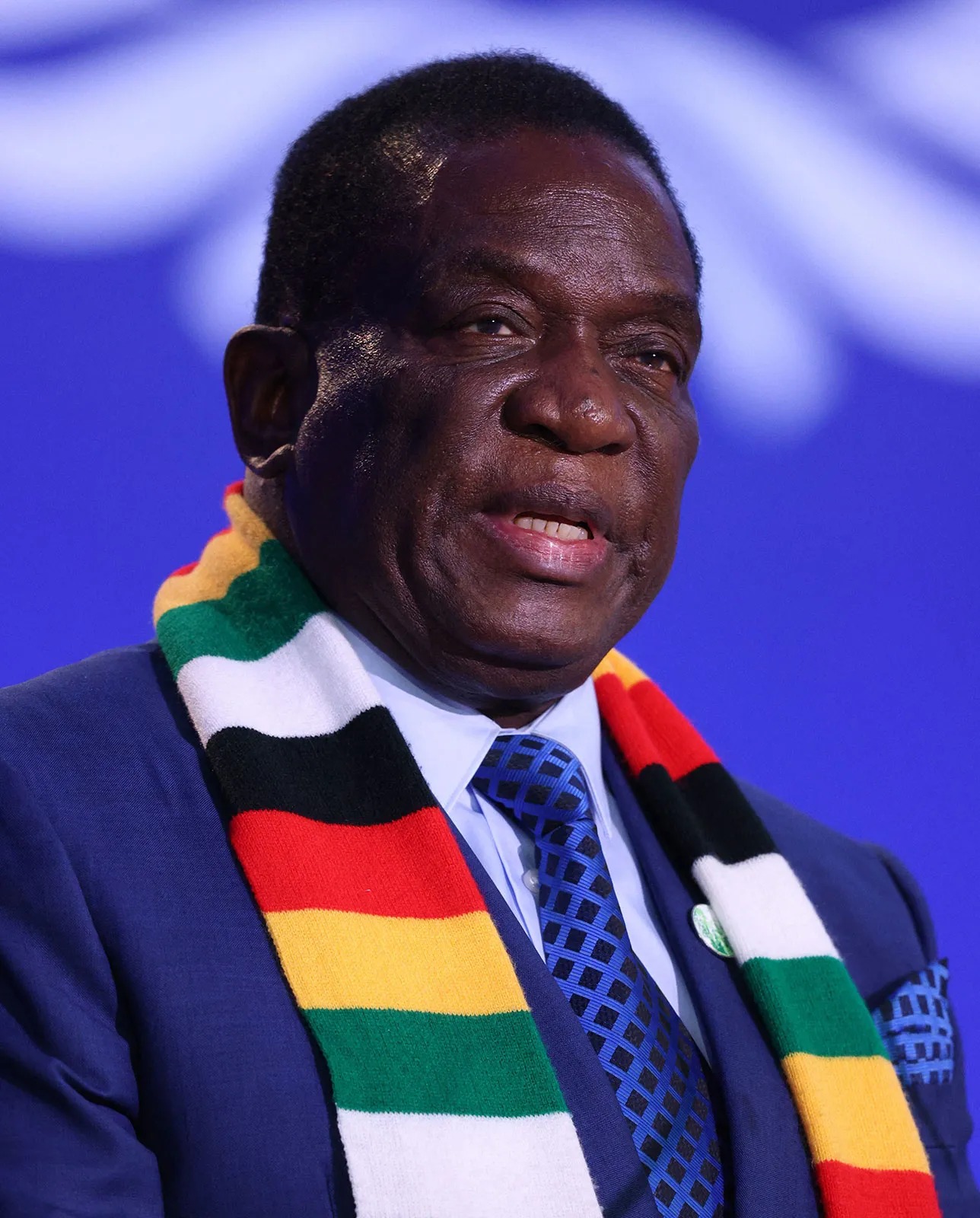
President Emmerson Mnangagwa
President Mnangagwa’s controversial constitutional bill — which could extend his rule to 2030 and end direct presidential elections — has passed both houses and now awaits his signature.
By Norman Mwale
“The love for money is the root of all evil. The Zimbabwean people must just wait and see the repercussions. When principles are traded for convenience, communities pay the price.” — Corban Madzivanyika, MP, Mbizo Constituency.
Zimbabwe’s Constitutional Amendment Bill No. 3 cleared its final parliamentary hurdle on Wednesday night when the Senate approved it by 75 votes to 4, sending the legislation to President Emmerson Mnangagwa for assent.
The Bill had already passed the National Assembly on 18 June by 216 votes to 42, comfortably exceeding the 187-vote two-thirds threshold required for constitutional change in the 280-seat chamber. The speed with which it was pushed through both houses — from gazette to Senate vote in under five months — drew sharp criticism from constitutional lawyers and civic groups who said public consultation had been inadequate.
CAB 3 extends presidential and parliamentary terms from five to seven years, abolishes direct presidential elections in favour of selection by a joint sitting of parliament, enlarges the Senate with ten presidential appointees, and contains transitional clauses applying the new seven-year cycle to the current electoral period — provisions that would extend Mnangagwa’s tenure to 2030.
Justice Minister Ziyambi Ziyambi described the amendments as necessary legal refinements designed to reduce political polarisation and enhance constitutional coherence. “This is not an abandonment of our constitutional order in any way, shape or form, but a continuation of it,” he told parliament.
Critics were unsparing. Social justice activist Pride Mkono warned that Zimbabwe could “effectively enter a one-party state, but one dominated by a cartel of individuals.” Legal watchdog Veritas and constitutional scholars at ConstitutionNet have described CAB 3 as a fundamental reordering of power that concentrates authority in the presidency while dismantling institutions built to ensure accountability.
What surprised many observers was not that the Bill passed — Zanu PF’s supermajority made that likely — but that roughly three dozen opposition legislators voted with the ruling party in the National Assembly, well beyond what the arithmetic required. Allegations of inducements offered to legislators were widely reported in the lead-up to both votes. The implicated parties have denied the claims.
In the Senate, only four legislators voted against: CCC senators Sesek Zvidzai of Midlands, and Solani Moyo, Meliwe Phthi, and Nonhlanhla Mlotshwa of Matabeleland South. The remainder — Zanu PF senators, traditional chiefs, and a substantial bloc of opposition members — fell into line.
In Mbizo Constituency, opposition MP Corban Madzivanyika was contemptuous. He linked the lopsided tallies directly to greed, warning that when lawmakers trade principle for convenience, it is ordinary citizens who are left to carry the cost. One Mbizo resident, speaking anonymously for fear of victimisation, said constituents felt unheard and deeply anxious about clauses they believed threatened local jobs and community resources.
Human rights organisations documented intimidation during the consultation period, including reports that activist Gilbert Mutebuki was assaulted by suspected Zanu PF youths after speaking against the Bill at a public hearing in Chiredzi.
With both houses having voted, the legal challenges now begin in earnest — process challenges arguing that the Bill’s drafting and passage were procedurally defective, and substantive challenges targeting the term-limit provisions that critics say require a referendum under Section 328 of the constitution.
Mnangagwa is widely expected to sign the Bill without delay. When he does, Zimbabwe will have rewritten its constitutional order — not by popular mandate, but by parliamentary arithmetic. Whether the courts prove willing to unravel what parliament has done will define the country’s democratic trajectory for years to come.
Similar Posts by The Mt Kenya Times:
- Mt Kenya Times ePAPER October 1, 2026
- Museveni backs Lamu but keeps Uganda’s money at home
- Sifuna’s party wins its name — and Kenya’s opposition race begins in earnest
- Lamu’s $16B gamble: Africa’s biggest refinery divides the region
- Ruto launches KSh2.2 trillion Lamu refinery in East Africa’s biggest energy bet
About the Author