The 2030 constitutional crisis: A defining moment for Zimbabwe’s democracy
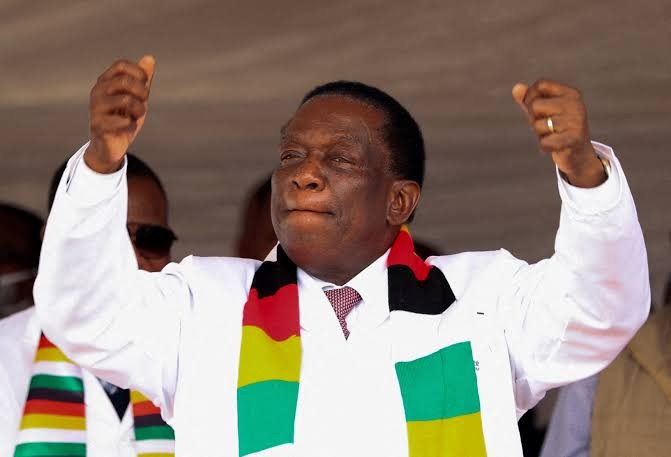
President Emmerson Mnangagwa
Recent amendments raise hard questions about accountability and the will of the people
By Alice Nyamande
The signing of the recent constitutional amendments by President Emmerson Mnangagwa marks a significant, and deeply consequential, moment in Zimbabwe’s constitutional and political history.
For many Zimbabweans, these changes represent more than a legislative development. They raise fundamental questions about constitutionalism, democratic accountability, and the principle that political authority should derive from the freely expressed will of the people.
The amendments have generated widespread concern among citizens, civil society organisations, legal practitioners and opposition parties, who argue that they fundamentally alter the relationship between the electorate and those who govern. At the heart of these concerns is a perception that the changes weaken democratic safeguards and diminish the direct role citizens play in shaping their country’s political future.
A constitution exists to protect the nation, not the interests of those temporarily entrusted with public office. Its legitimacy rests on public confidence, respect for the rule of law and adherence to democratic principle. Any amendment that appears to concentrate political power, or reduce public participation, inevitably invites serious scrutiny.
Zimbabwe is already grappling with severe economic hardship, high unemployment, deteriorating public services and declining investor confidence. Against that backdrop, many citizens believe national attention would be better spent restoring economic stability, strengthening institutions and improving quality of life, rather than pursuing constitutional changes that deepen political divisions.
History shows that durable peace and sustainable development are built on accountable governance, independent institutions and the consent of the governed. Democratic legitimacy cannot rest on parliamentary process alone; it must also command the confidence and participation of the people themselves.
The Action Democratic Movement (ADM) maintains that Zimbabwe’s future should be determined by its citizens through transparent, constitutional and democratic processes. The country’s Constitution should remain a shield protecting the rights and freedoms of every Zimbabwean, not a tool that serves the interests of those in power.
Zimbabwe deserves leadership that respects constitutionalism, strengthens democratic institutions and places the welfare of its people above political expediency. The nation’s long-term stability and prosperity depend on preserving these principles for present and future generations.
Alice Nyamande is President of the Action Democratic Movement (ADM).
Similar Posts by The Mt Kenya Times:
- Ruto passes the baton as Africa’s trade bloc faces a fragmenting world
- Kenya’s recall law: Parliament sets the threshold — but the real test comes in 2027
- Kenya’s deadliest bridge to be replaced in KSh7.5B project
- Shell V-Power Tanker among seven merchant shipping tankers calling at the port of Mombasa
- KRA’s new import rules: Will mandatory cargo insurance push up the cost of goods?
About the Author