When the songs fade, the wounds remain: The human cost of Ol Kalou’s by-election
 The Mt Kenya Times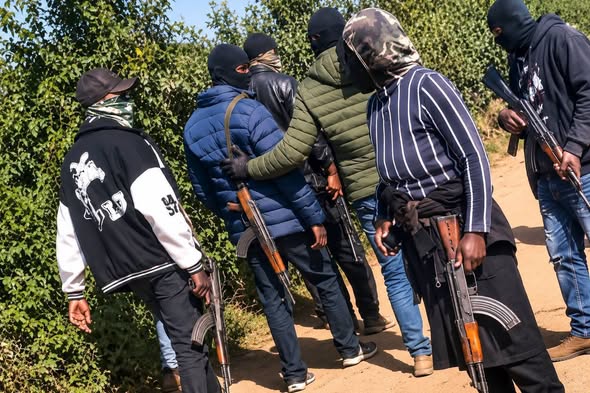
Hooded men in Ol Kalou
As Democracy for the Citizens Party celebrates a landmark victory, the constituency’s injured and bereaved ask a harder question — who is speaking for us?
By Hadassah Karangu
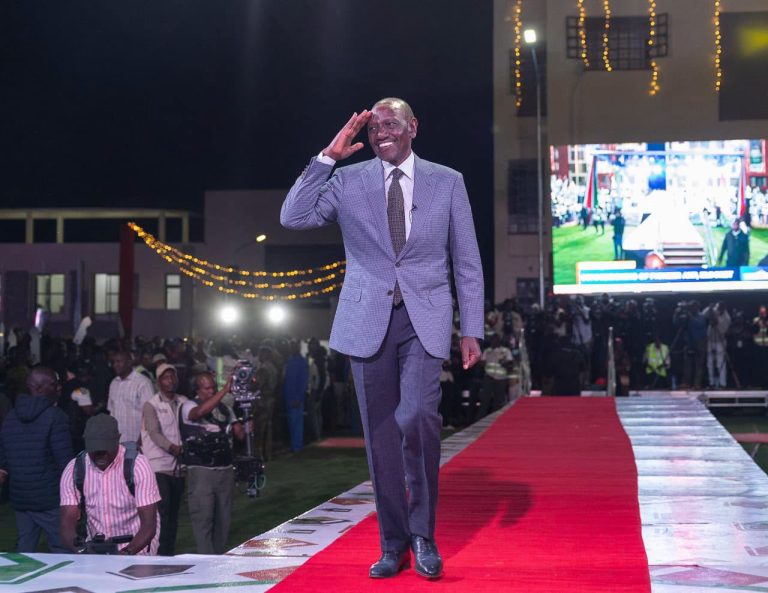
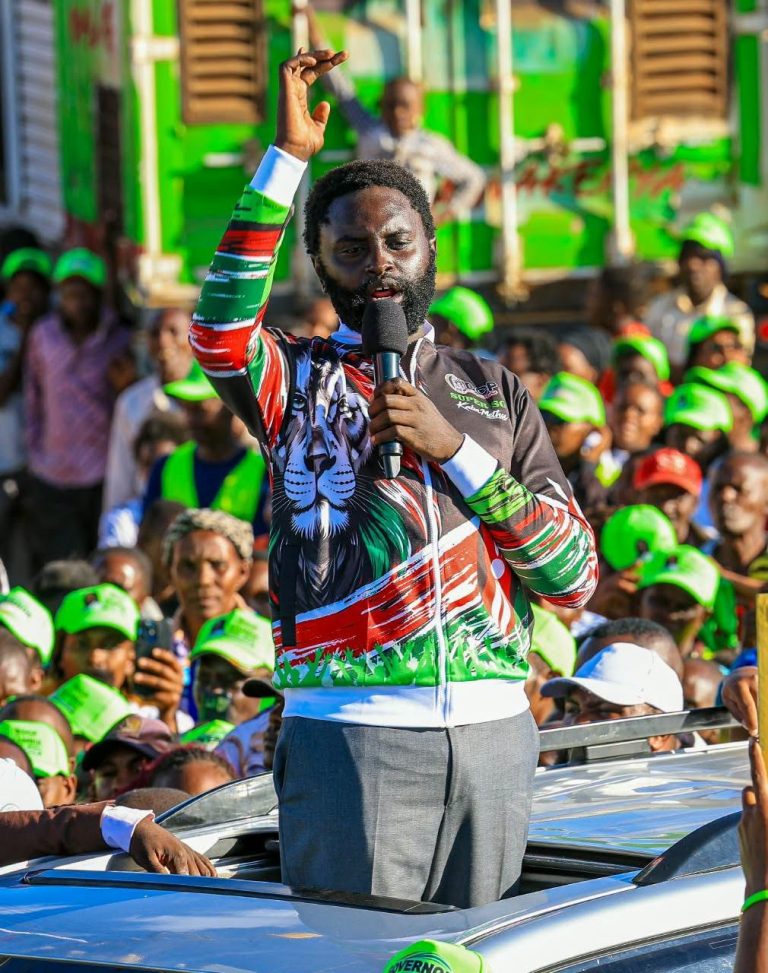
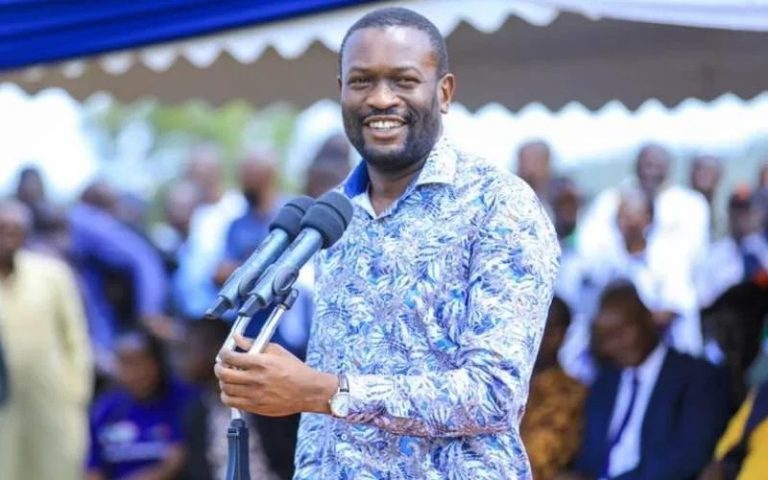
The celebrations were loud. Songs filled the air, supporters danced in the streets, and party leaders beamed as they addressed the crowds that gathered to mark the outcome of the Ol Kalou parliamentary by-election. For Democracy for the Citizens Party, the win was far more than a parliamentary seat. It was a political statement, a show of strength and, to many supporters, a sign that the winds of change are blowing through the region.
Yet even as the ululations echoed, another story was quietly unfolding in homes across the constituency.
Away from the cameras and the victory speeches, some families were nursing injuries, counting losses and sitting with difficult questions that no one seemed in any hurry to answer. While politicians embraced and congratulated each other, there were ordinary citizens still struggling to make sense of the violence that had shadowed the election period. For them, the by-election will not be remembered through songs and celebrations. It will be remembered through hospital visits, sleepless nights, fear and a grief that does not simply disappear when the results are announced.
Every election produces winners and losers. That is the nature of democracy, and there is nothing inherently wrong with that. But violence produces something far more troubling. It produces victims — people who often have no political power, no platform and no microphone through which to tell their story.
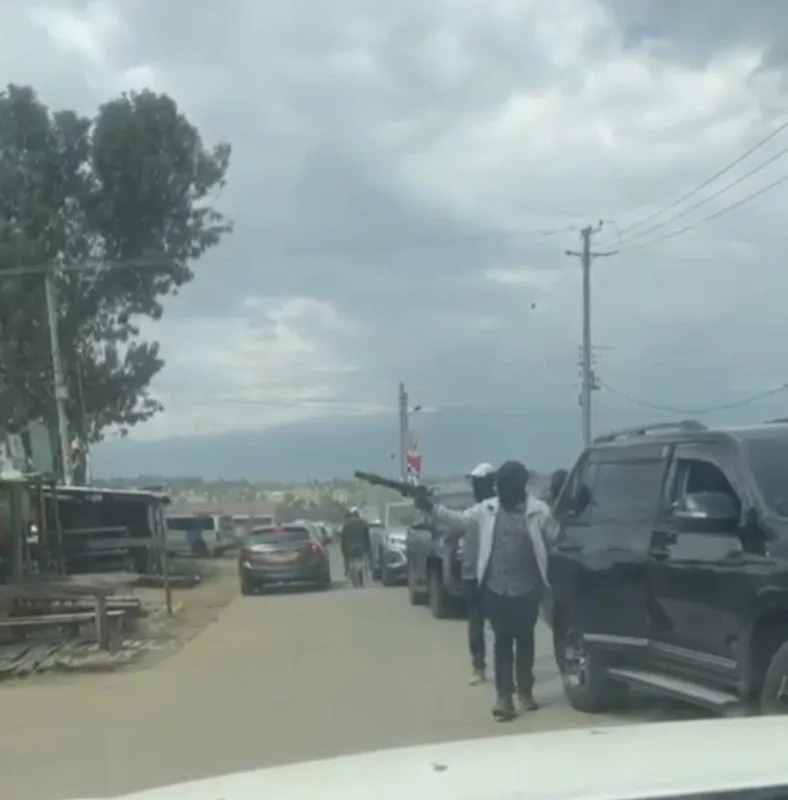
When reports emerged of clashes, injuries and attacks during the election period, many Kenyans were understandably disturbed. Elections are supposed to be the moments when citizens peacefully exercise their democratic rights. They are meant to bring communities together, not drive them apart. Yet once again, violence threatened to overshadow the very principles that democracy exists to protect.
Now, as the political dust begins to settle, one question hangs in the air over Ol Kalou: who is speaking for those who suffered?
It is easy to celebrate a victory. It is easy to count votes and analyse political winners and losers. What is considerably harder is looking into the eyes of a family whose loved one was injured and trying to explain why their experience of this election was defined by pain rather than pride. What do we say to the mother whose son came home bruised after being caught up in election-related chaos? What do we say to the small business owner whose property was damaged? What do we say to the families who spent nights awake, waiting anxiously for relatives caught in the unrest to walk through the door safely?
These are not political questions. They are human ones.
Kenya has, unfortunately, developed a troubling pattern in the aftermath of electoral violence. Public attention gravitates towards the political outcome. News moves on. Politicians move on. The country moves on. But the victims remain, carrying wounds — physical and emotional — that can take months or even years to heal. The danger of this silence is the message it sends: that suffering matters less than political success; that elections are ultimately about leaders and parties, not about the people they claim to serve.
Democracy should never work that way.
A genuine democratic victory cannot be measured solely by vote tallies. It must also be measured by whether citizens felt safe enough to participate freely, whether voters returned home without fear and whether human dignity was protected throughout the process. Where people were left injured or grieving, there is cause for serious reflection — regardless of who won.
The events in Ol Kalou ought to serve as a warning, not only to the parties involved but to the country as a whole. Kenya is heading towards the 2027 General Election. If violence can surface during a by-election, what confidence do citizens have that larger national contests will be any different?
The answer cannot lie in political statements alone. It must lie in accountability. Those responsible for violence, regardless of their party affiliation, must face the law. Investigations must be thorough, transparent and free from political interference. Justice cannot be distributed according to which side a person voted for. It must follow the truth, wherever that leads.
Affected families also deserve more than sympathy. They deserve recognition, practical support and the clear assurance that what happened to them will not simply be absorbed into the background noise of Kenyan political history.
There is a lesson here for leaders, too. Leadership is not demonstrated only in moments of triumph. It is demonstrated in moments of difficulty. The leaders who will be remembered well are those who celebrate with humility while also acknowledging the pain of others — those who understand that political success means very little if it is built on the suffering of the very people they seek to represent.
As the parties plan their next moves and begin positioning for 2027, residents in Ol Kalou are watching. They are asking whether their leaders will address the violence with the same energy and conviction they brought to the campaign trail. Will there be justice? Will there be accountability? Will the families who suffered receive support? Or will they quietly become another forgotten chapter in Kenya’s long and painful history of election-related unrest?
History will record who won the Ol Kalou by-election. Analysts will write about voting patterns and political momentum. Supporters will remember the celebrations. But there is another history being written simultaneously — in hospital wards, in grieving households and in the hearts of families whose lives were upended by violence.
Long after the campaign posters have faded and the victory songs have gone quiet, those families will still carry what happened to them. They will remember the fear. They will remember the injuries. They will remember the uncertainty.
The greatest question is a simple one: as politicians move on to the next battle, will the cries from Ol Kalou be heard — or will they fall, once again, on deaf ears?
Similar Posts by The Mt Kenya Times:
- Araujo sidesteps Liverpool permanency question as Anfield stint gathers momentum
- CAS to rule on Senegal’s AFCON title fight by end of November
- Let students reward their teachers with excellence, not expensive gifts
- The emperor’s new markets: How cartels in fertilizer, cement and steel still rule the regional kingdoms of SADC, COMESA and the EAC
- Kenya’s missing link in the war against corruption: Why government must invest in grassroots social audits
About the Author