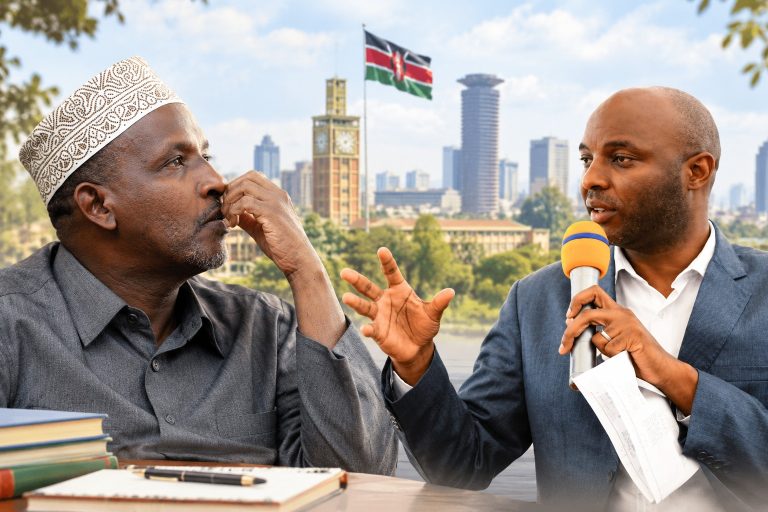
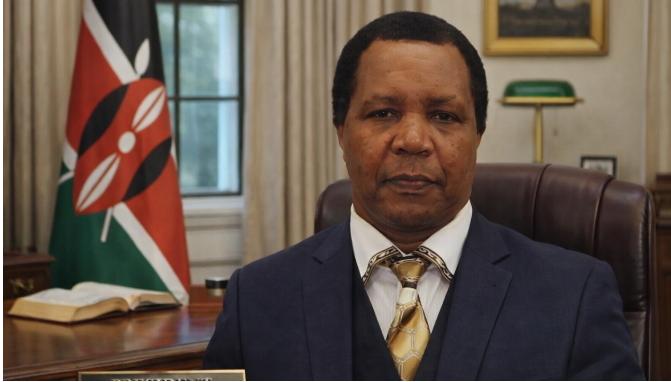
Kalonzo comes to the Coast with a simple, devastating message: You have been betrayed
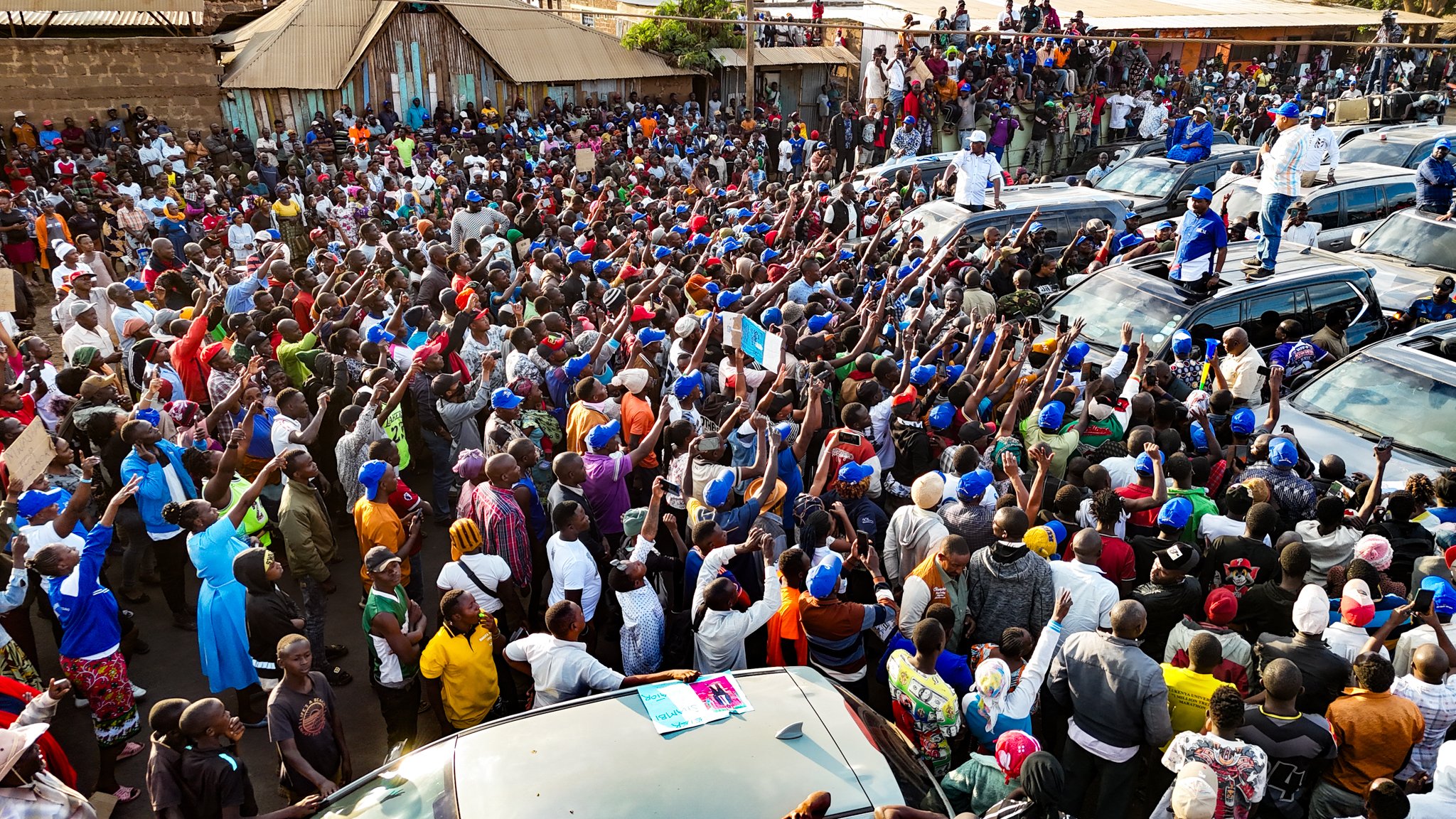
Wiper Patriotic Front leader Kalonzo Musyoka and team Friday swept through Njukini in Taita Taveta County
From Njukini to Amboseli, the Wiper leader is stitching together a southern Kenya coalition on a thread of broken government promises — and with twelve months to polling day, it may be enough to make him the opposition’s standard-bearer.
By Agnes Wavinya
Wiper Patriotic Front leader Kalonzo Musyoka yesterday swept through Njukini in Taita Taveta County, drawing an energetic and overflowing crowd as he sharpened his case for the presidency on a single, resonant argument: President William Ruto has made promises to marginalised communities, put his name to the paperwork, and then allowed the machinery of government to quietly ignore what was signed.
It was a message that landed with particular force in a county that sits at the intersection of Kenya’s southern political geography — Kamba heartland, Taita tradition, and the restless Coast vote that every serious presidential candidate must court. The rally in Njukini, where the crowd chanted and waved in the afternoon heat, was both a political statement and a preview of what Musyoka and the United Alternative Government intend to build in the twelve months separating them from the August 10, 2027 general election.
The opposition in Kenya has rarely been more fragmented — or more urgently in need of a unifying figure. The death of former Prime Minister Raila Odinga in late 2025 removed the towering personality that had defined opposition politics for three decades. The impeachment of former Deputy President Rigathi Gachagua opened a new front, drawing parts of Mt Kenya into an anti-Ruto coalition without a settled leader. Nairobi Senator Edwin Sifuna’s Linda Mwananchi movement has added further complexity, with its populist grassroots energy threatening to splinter the vote that a unified opposition needs to concentrate. Into this uncertain landscape, Musyoka has been moving with a quiet but unmistakable sense of purpose — and yesterday’s rally was the clearest signal yet that he intends to be the one who holds it all together.
His central argument is built not on abstract ideology but on concrete, documented grievance. Nowhere is that grievance more pointed than in the story of Amboseli National Park. President Ruto personally presided over the transfer of the park’s management to Kajiado County in November 2025, handing Kajiado Governor Joseph Ole Lenku a Deed of Transfer during Maa Cultural Week celebrations. The arrangement was specific and legally gazetted: 50 per cent of Amboseli’s revenue to Kajiado from July 1, 2026, rising to 70 per cent in the following year and to full county control by 2028/2029. The park generates approximately KSh3B annually through gate fees, concession revenues and campsite income — money that was supposed to flow into Kajiado’s hospitals, schools, roads and water infrastructure for communities that have guarded the ecosystem for generations.
July 1, 2026 came and went. The Kenya Wildlife Service released nothing. When Kajiado county officials arrived to collect the county’s 50 per cent share, KWS officers — armed rangers — turned them away, citing a lack of instructions. Lenku told the Senate Public Accounts Committee in July that KWS had not remitted “even a coin” since the presidential proclamation. “How does KWS come and outrightly defy the presidency? What country have we become?” he asked the committee.
It is on this broken promise that Musyoka is building his campaign among the Maa community. The Maa nation, he told the crowd in Njukini, does not need another promise. It needs what was already signed and gazetted. “The money must be released. Amboseli must benefit Kajiado,” he said. “Komboa Kenya.” The phrase — liberate Kenya — has become the unifying slogan of his campaign, and it is gaining traction precisely because it does not ask voters to believe in something new. It asks them to demand what they were already told was theirs.
The political logic of Musyoka’s southern Kenya strategy is sound. Taita Taveta, Kajiado, Makueni, Kajiado East and the broader Coast region represent a substantial bloc of votes that no winning presidential coalition can ignore. His recent tour of Makueni, Kajiado and Taita Taveta counties is part of a systematic effort to lock in the counties that border his Ukambani stronghold and extend his reach toward the Indian Ocean. His unveiling of a Coast team — led by Nyali MP Mohammed Ali, Wundanyi MP Danson Mwashako and former Gender Cabinet Secretary Aisha Jumwa — signals that the strategy is being translated from rally energy into organised political infrastructure.
Jumwa, who described herself as a servant of the people of Coast, was direct about the challenge ahead. She warned that the government would deploy resources and development projects as election season intensified, but urged voters to exercise their democratic right independently at the ballot. “Accept any benefits brought to you,” she said, “but vote your conscience.” It was a message calibrated to voters who have felt the weight of government attention only when their votes are being sought.
Kenya is witnessing unusually early and unusually intense political activity for a country whose election is still a year away. A combination of factors — a rapidly growing youth population, the political fallout from the 2025 Gen Z protests, the reshaping of alliances following Odinga’s death and Gachagua’s impeachment — has accelerated the campaign cycle. The Independent Electoral and Boundaries Commission has formally set the election date and commenced the election period, lending an official structure to what is already a fast-moving contest.
Ruto enters this period with real vulnerabilities. His approval ratings have come under sustained pressure from the cost of living, controversial taxation measures and lingering anger over the security forces’ conduct during the 2024 and 2025 protests, in which at least 127 people were killed. His relationship with former President Uhuru Kenyatta has deteriorated into open mutual hostility, with the two trading accusations over who is pulling opposition strings. Ruto’s suggestion that Kenyatta is a “sponsor” of opposition politicians has met with a sharp public rebuttal from Kenyatta, who said the choice of 2027’s president belongs to the people — “if they say they want Kalonzo, it is Kalonzo.”
Musyoka has moved to secure a parallel vote-tallying system for 2027, announcing plans to deploy Gen Z agents with mobile phones at polling stations nationwide to transmit results before official tallies are announced. The move reflects hard-earned wariness from Kenya’s disputed election history — and a determination that this time, the count will not be contested on anyone else’s terms.
For the people of Njukini who turned out in such numbers yesterday, the appeal is ultimately simple. A government that makes promises in public ceremonies and then allows its own agencies to ignore them in plain sight is a government that has run out of excuses. Musyoka is betting that by the time August 10, 2027 arrives, enough Kenyans in enough counties will agree — and that the Coast, the Maa nation, Ukambani and beyond will march to the ballot together under a single, liberating slogan.
Komboa Kenya.
Similar Posts by The Mt Kenya Times:
- Mt Kenya Times ePAPER October 17-18, 2026
- Ruto bets billions on Kerio Valley — with one eye on 2027
- Ruto’s health ministry kills Murang’a’s digital hospitals
- Kenya bets on Mount Kenya to drive a billion-shilling tourism revival
- Do you have a wealth vision? Or are you just working until you die?
About the Author