Kenya’s shadow state: When disappearance becomes a political message
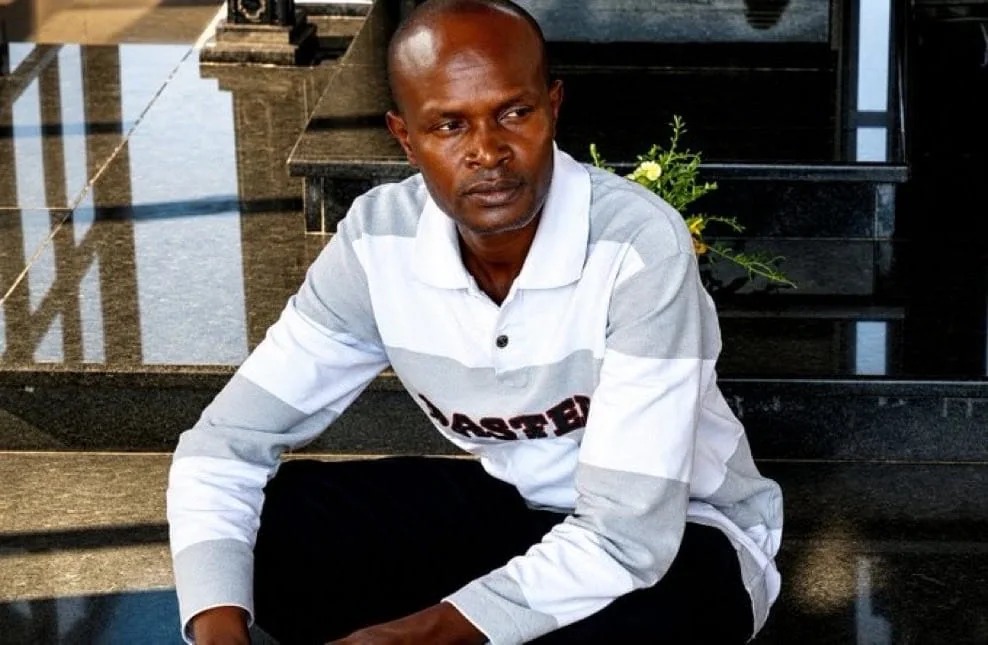
Standard Group associate editor Alex Kiprotich
The reported abduction of a senior journalist has reignited a national conversation about power, impunity and the price of dissent as Kenya moves toward a defining election.
By Collins Kibet
Kenya is confronting a question that no democracy should have to ask: can a citizen criticise the government today and still be certain of returning home tomorrow?
The reported abduction of Standard Group associate editor Alex Kiprotich has once again forced that question into the open, adding to a growing catalogue of cases involving journalists, activists, bloggers and government critics who have allegedly been targeted under circumstances that remain murky and unresolved. The question facing the country is no longer simply who disappeared. It is who has the power to make a Kenyan disappear — and who has the power to stop it.
Since the 2024 protests, allegations of abductions and enforced disappearances have continued to haunt Kenya’s political landscape. Some victims have returned. Others have not. Families have been left searching for answers while citizens have increasingly turned to social media to demand accountability. In that environment, fear can become more powerful than any legislation, because people begin censoring themselves long before anyone instructs them to be silent.
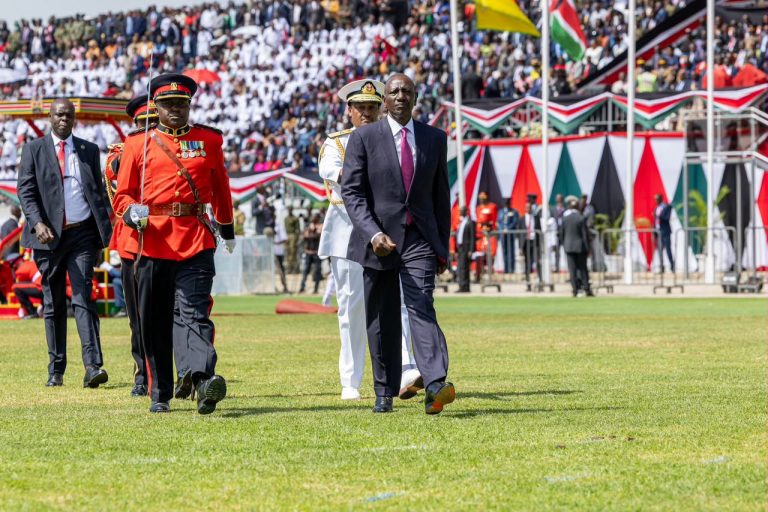
For President William Ruto’s administration, this represents one of its most uncomfortable political tests. The government has denied responsibility for unlawful abductions attributed to state agencies and has called for investigations into individual cases. But governments are judged not only by what they deny. They are judged by what they do when citizens demand answers.
A government that genuinely believes in the rule of law should welcome scrutiny, not fear it. A journalist should be able to investigate power without wondering whether the investigation will make him a target. An activist should be able to criticise a president without that criticism becoming a security risk. An ordinary Kenyan should never have to calculate the personal cost of expressing an opinion.
That is where the politics becomes genuinely uncomfortable.
Kenya is heading toward the 2027 General Election, and the political temperature will inevitably rise. Leaders will make promises. Opposition figures will attack the government. Activists will mobilise. Journalists will investigate. Young Kenyans will question the direction of the country. None of that is a threat to democracy. That is democracy. The real threat emerges when citizens begin to believe that political criticism carries consequences beyond the ballot box.
But allegations must not become convictions without evidence. Claims of government involvement in disappearances must be investigated, not simply repeated. Every case demands credible evidence, independent inquiry and due process. Yet the state cannot simultaneously demand public trust while allowing serious allegations to dissolve into the same darkness surrounding the victims. Silence is not proof of innocence. It is usually evidence that questions remain unanswered.
Kenya’s Constitution promises fundamental rights: the right to life, personal security, freedom of expression and media freedom. Those rights do not belong to the president, Parliament, the police or any political party. They belong to the Kenyan people. That is precisely why every alleged abduction should be treated as a matter of national concern — not according to the victim’s political affiliation, profession or public profile, but according to the straightforward principle that no Kenyan is above the law and no Kenyan should be beneath its protection.
The government has a clear opportunity to break the growing culture of suspicion. It can open credible investigations, publish findings, hold perpetrators accountable and reinforce the institutions responsible for protecting citizens. Security agencies must understand that constitutional authority is not a licence for impunity. The mandate to protect Kenyans cannot coexist with the practice of making them disappear.
The opposition, civil society and media carry their own responsibilities in this moment. They must expose wrongdoing without converting unverified allegations into political weapons. Kenya cannot build justice on rumour. It must build it on evidence, functioning institutions and genuine accountability. Those who use the real suffering of victims to score political points are not defending democracy — they are exploiting it.
Because the greatest danger here is not merely the disappearance of individuals. The greater danger is the disappearance of courage.
When citizens stop speaking because they are afraid of who might be listening, democracy begins to suffocate quietly. When journalists soften their investigations because they fear the consequences, accountability loses its most essential function. When activists retreat into silence, power becomes answerable to no one. And when an entire generation learns that silence is safer than speaking truth to power, the country may still hold elections — but it will have lost something far more important than a government. It will have lost the freedom that makes elections meaningful in the first place.
Kenya’s 2027 election will therefore be about far more than who occupies State House. In a broader and more consequential sense, it will be a referendum on the kind of country Kenyans want to live in. A country where power answers questions, or a country where power makes questions disappear.
The ballot box should determine who governs Kenya.
Fear should never determine who is allowed to speak.
Similar Posts by The Mt Kenya Times:
- Mt Kenya Times ePAPER October 21, 2026
- Kenya confirms ninth Ebola case as outbreak remains contained within single cluster
- Musk pledges SpaceX share for every American child in 2027
- Abiy calls for deeper Kenya-Ethiopia trade partnership at Eldoret ceremony
- Kenya’s oil moment: Promise, responsibility and the long road from Turkana to market
About the Author