Former President Uhuru Kenyatta
The former president says Raila won and that he knows “how things went down” — but without evidence, the statement raises more questions than it answers
By Collins Kibet
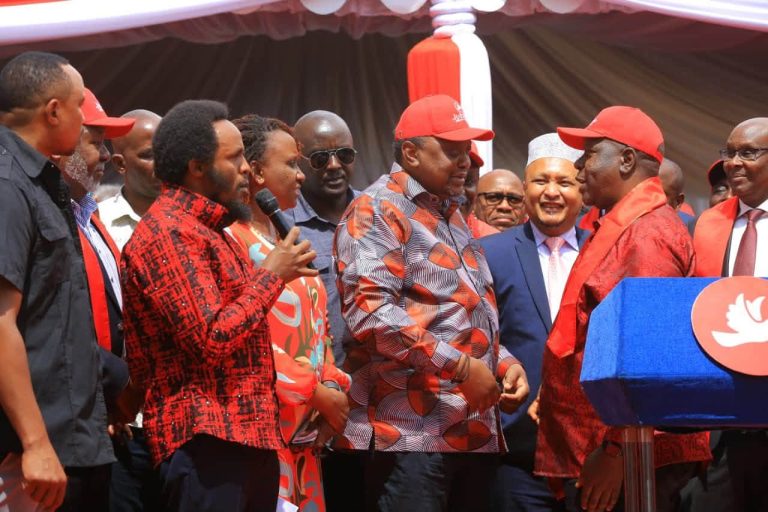
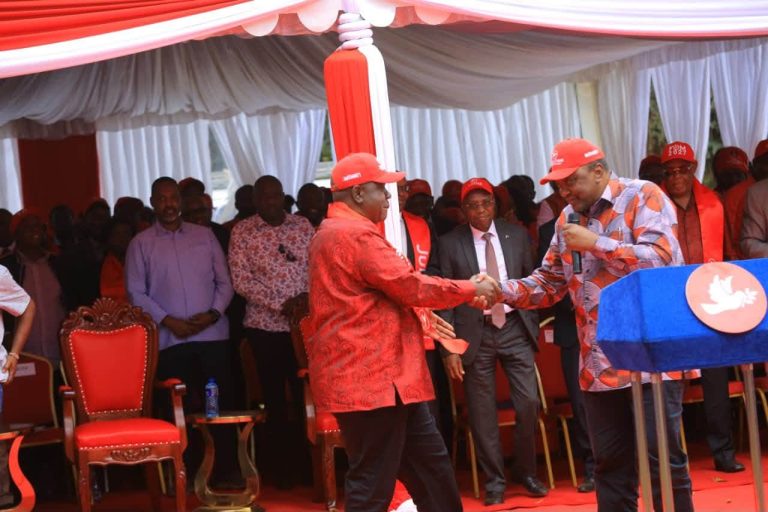
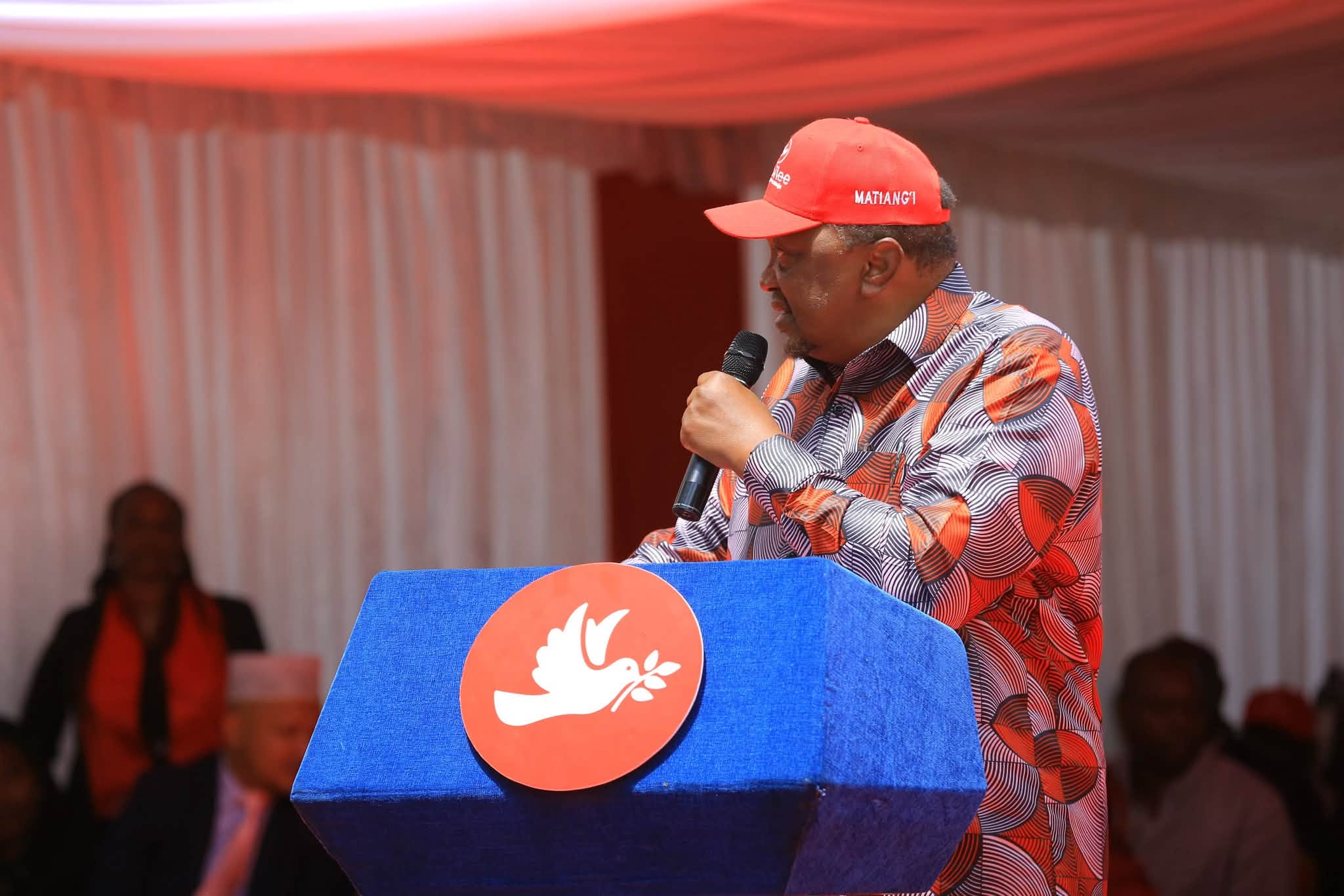
Former President Uhuru Kenyatta has reopened one of Kenya’s most contested political questions by declaring that Raila Odinga won the 2022 presidential election, adding that “we know how things went down.” The statement has revived memories of an election that divided political opinion, generated intense public debate and ended with the Supreme Court upholding William Ruto’s victory. Coming from a former president directly involved in the political environment surrounding that vote, the remarks are likely to attract renewed scrutiny of what happened before, during and after polling day.
Uhuru said his administration did everything possible to support Raila’s presidential bid and remains convinced Raila won. He also questioned how Azimio la Umoja could secure substantial victories in parliamentary and gubernatorial contests while failing to capture the presidency. The remarks raise legitimate political questions, though they must be distinguished from the official electoral and judicial record.
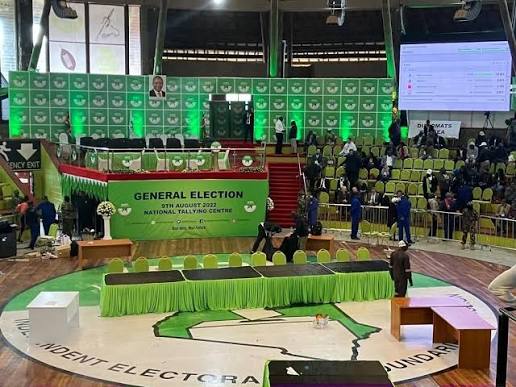
That record tells a different story. The Independent Electoral and Boundaries Commission declared Ruto the winner with 7,176,141 votes — 50.49 per cent — against Raila’s 6,942,930 votes, representing 48.85 per cent. The margin was narrow, making it one of Kenya’s most competitive presidential contests. Raila and other petitioners challenged the result before the Supreme Court, raising questions about the conduct and management of the election. The court considered the evidence and concluded that the allegations had not been sufficiently demonstrated to warrant overturning the result. Legally, the matter was settled.
But Uhuru’s remarks introduce a distinction that matters: the difference between a legal conclusion and a political interpretation of an election. Courts determine disputes on the basis of evidence presented within a constitutional framework. Political leaders may continue to hold different views. Uhuru’s statement does not change the official result, but it raises the question of whether he possesses information or perspectives not previously made public.
Which brings Kenya to the central question: what exactly does Uhuru mean when he says he knows how things went down? Is he referring to political manoeuvres before the election? Disagreements within coalitions? Concerns about tallying or the transmission of votes? Or is he expressing a political interpretation of an election he believed should have produced a different outcome? Without further explanation or evidence, Kenyans are left to decide for themselves.
The question carries weight beyond political point-scoring. Elections are not merely about politicians — they are about millions of citizens determining who will govern them. When questions about an election remain alive years after the votes have been counted, they erode public confidence in democratic institutions. That erosion is a national problem, regardless of which side benefits from the doubt.
The 2022 election also illustrated how rapidly political alliances can shift. Uhuru, who had served two terms alongside Ruto, eventually backed Raila after their relationship fractured. Ruto built the Kenya Kwanza coalition around a “hustler” narrative aimed at ordinary citizens. The contest became more than a competition between two individuals — it reflected competing alliances, economic messages and competing visions for the country’s direction.
The aftermath deepened the tensions. Disagreement among some electoral commissioners over the presidential results, the subsequent legal challenge and sustained public debate over the tallying process all contributed to an atmosphere in which many Kenyans questioned different aspects of the election. Yet the constitutional mechanisms for resolving presidential disputes functioned, and the Supreme Court delivered its determination.
That legal history does not make Uhuru’s latest statement politically irrelevant. Former presidents occupy a particular position in national life, often carrying institutional knowledge that ordinary citizens do not have access to. When a former head of state suggests there is more to an election than the public knows, questions naturally follow. The responsibility then lies with those making such claims to provide clarity and, where appropriate, evidence.
The timing is also notable. Kenya is moving toward another general election in 2027 and memories of 2022 remain politically live. Revisiting the previous contest without evidence risks deepening divisions. But an honest examination of past electoral weaknesses can also create space for reform — and a functioning democracy should be capable of doing both.
For millions of Kenyans, the more important issue is not who claims to have won. It is whether citizens can trust the process. Every voter should be confident their vote was properly recorded, accurately tallied and that disputes would be handled fairly. Democracy becomes fragile when citizens believe outcomes are determined somewhere beyond the ballot box.
Uhuru’s statement leaves Kenya with a question that extends well beyond the personalities of Ruto and Raila: what lessons has the country actually drawn from 2022, and what must change before 2027? The answer cannot be another round of accusations between competing camps. Kenya needs stronger electoral transparency, credible verification mechanisms, effective oversight and institutions that can communicate clearly with the public. Electoral technology should be auditable, and tallying procedures should be transparent enough to withstand scrutiny.
Political leaders also carry a responsibility. Claims about manipulation or hidden events should not become political slogans. Where evidence exists, it should be presented through appropriate institutions. Where it does not, leaders should be careful not to generate unnecessary suspicion around democratic processes. Political disagreements are inevitable. Public confidence in elections is a national interest that belongs to no single party.
Kenya cannot change the outcome of 2022. The result was declared, challenged and upheld. But the country can examine the events surrounding that election, identify what worked, what did not, and act on the findings before the next vote.
Uhuru’s remarks have reopened an old wound. They also present an opportunity. Kenya’s democracy should not be defined by what politicians say after elections. It should be strengthened by systems that allow citizens to know, with confidence, how their votes were counted and why the final result was reached. The real test is not whether politicians can reopen the past. It is whether Kenya can learn from it.
Similar Posts by The Mt Kenya Times:
- Mt Kenya Times ePAPER September 23, 2026
- Kagwe vows to fight punitive taxes choking Kenya’s flower farmers
- Court seals national tallying of presidential votes as 2027 election battle lines form
- Jubilee’s new dawn: Matiang’i takes the helm
- Kenyatta passes the torch: Jubilee’s Matiang’i gambit and the battle for Kenya’s political soul
About the Author