The role of youth in modern diplomacy: From passive observers to active global participants
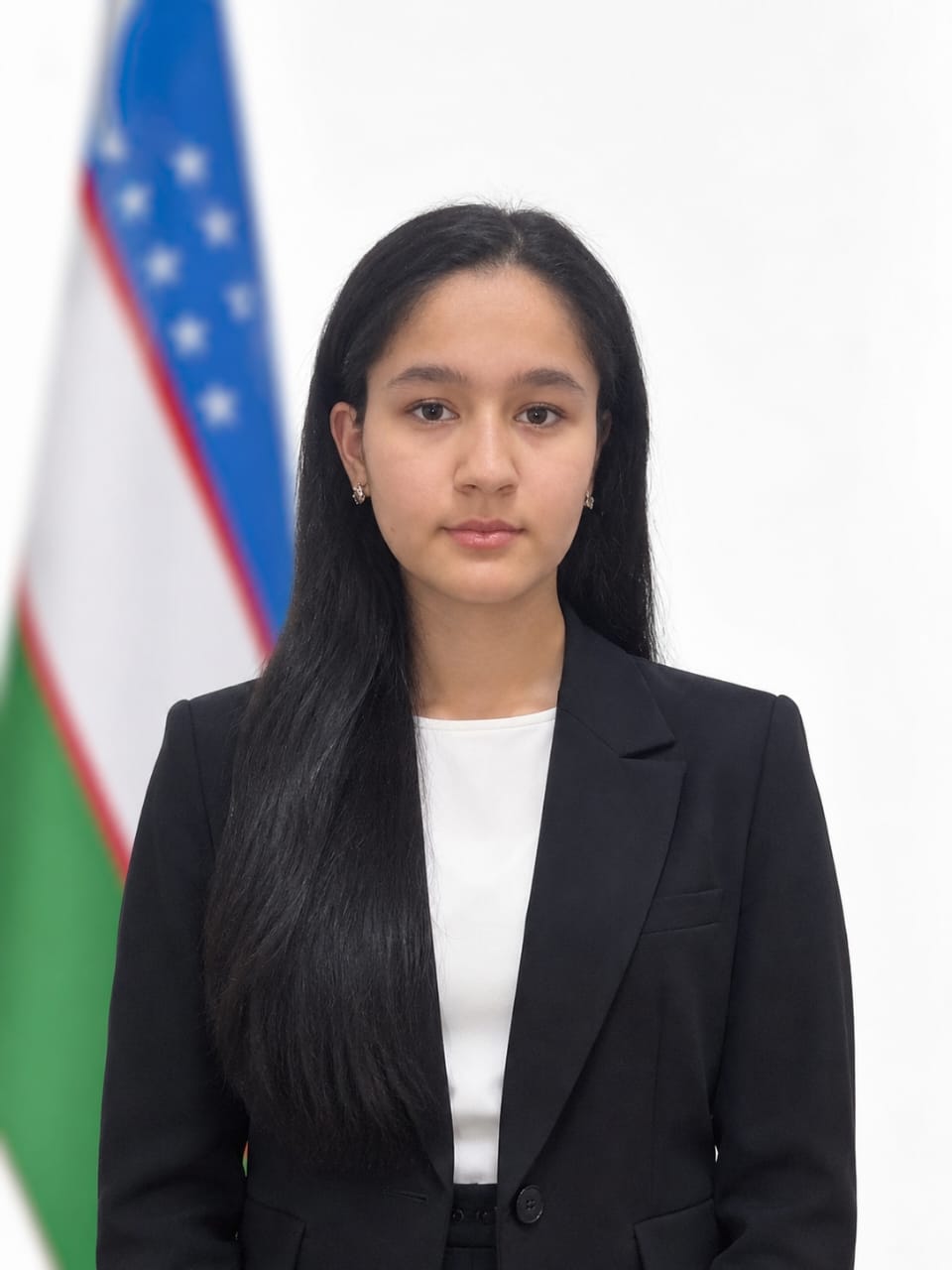
Shavkatova Jasmina
Author: Shavkatova Jasmina
Abstract
Diplomacy is undergoing significant transformation in response to globalization, technological advancement, and the growing interconnectedness of societies. While diplomacy has historically been associated with state representatives, ambassadors, and formal negotiations, contemporary international relations increasingly recognize the importance of non-state actors, including young people. With access to digital platforms, international educational programs, youth organizations, volunteer initiatives, and cross-border networks, young people are developing new channels of communication and cooperation across national boundaries.
This article examines the evolving role of youth in modern diplomacy, with particular attention to digital diplomacy, intercultural dialogue, international cooperation, and youth-led initiatives. It argues that young people should not be viewed solely as future participants in diplomatic processes but also as current contributors to international dialogue and people-to-people relations. At the same time, meaningful youth participation requires access to information, diplomatic education, digital literacy, and inclusive international opportunities. Strengthening these areas can enable young people to contribute more effectively to mutual understanding and sustainable international cooperation.
Keywords: youth diplomacy, modern diplomacy, digital diplomacy, international relations, youth participation, intercultural dialogue, international cooperation, global citizenship.
Introduction
Diplomacy has traditionally served as one of the principal mechanisms through which states communicate, negotiate, and manage their relations. For much of modern history, diplomatic activity was largely conducted by governments, ambassadors, and other official representatives. However, globalization and technological development have significantly expanded the environment in which international communication takes place.
Today, international relations are influenced not only by governments but also by civil society organizations, educational institutions, media organizations, businesses, and individual citizens. Among these actors, young people occupy an increasingly visible position. Through international youth forums, academic exchanges, volunteering, social initiatives, journalism, and digital platforms, young people are creating connections that extend beyond geographical and political borders.
This development raises an important question: what role can young people play in modern diplomacy?
Youth participation should not be understood merely as preparation for future diplomatic careers. Young people already participate in international dialogue and contribute to cultural understanding, public communication, and transnational cooperation. Their experiences, perspectives, and ability to communicate through digital technologies make them relevant participants in contemporary international relations.
From Traditional Diplomacy to People-to-People Engagement
The changing nature of diplomacy has created greater space for people-to-people engagement. Traditional diplomacy remains essential for relations between states, but international understanding is also shaped by interactions between ordinary citizens and communities.
Young people can contribute to this process through cultural exchange programs, international conferences, educational initiatives, and volunteer activities. When young participants from different countries collaborate on common projects, they have opportunities to learn about different cultures, values, and perspectives.
Such interaction can reduce cultural stereotypes and encourage mutual understanding. A young person who has participated in an international program may later share that experience with their local community, creating a wider circle of intercultural dialogue.
In this sense, youth engagement can complement formal diplomacy by strengthening connections at the societal level.
Digital Diplomacy: A New Space for Youth Participation
Digitalization has introduced another important dimension to diplomacy. Social media, online conferences, digital publications, podcasts, and other communication technologies allow individuals to communicate with international audiences almost instantly.
For young people, digital platforms can provide opportunities that were previously difficult to access. A student, young journalist, researcher, or content creator can share ideas and cultural perspectives with people from different countries without having to be physically present abroad.
Digital diplomacy can also facilitate international collaboration. Young people can participate in virtual conferences, contribute to international campaigns, join global educational communities, and work with peers from other countries on common projects.
However, digital diplomacy also creates responsibilities. The rapid circulation of information can contribute to the spread of misinformation, stereotypes, and misleading narratives. Therefore, digital participation must be accompanied by media literacy, critical thinking, source verification, and responsible communication.
For young people, becoming an effective digital diplomatic actor therefore means not only learning how to communicate but also understanding the consequences of what they communicate.
Youth-Led Initiatives and International Cooperation
Youth-led initiatives represent another important dimension of contemporary diplomacy. Young people increasingly organize educational projects, environmental campaigns, cultural programs, community activities, and international discussions.
These initiatives can contribute to international cooperation by bringing individuals together around shared objectives rather than differences in nationality or background.
For example, an international youth project may connect participants from several countries to discuss education or environmental challenges. Although the immediate objective may be project-based, the relationships developed during such cooperation can have a longer-term impact.
Participants may continue communicating after a project ends, collaborate on new initiatives, exchange knowledge, or introduce one another to new networks. These relationships can become informal channels of international understanding.
Education as a Foundation for Youth Diplomacy
Effective youth participation in international affairs requires more than enthusiasm. Young people need knowledge and skills that enable them to communicate across cultural and political differences.
Education can play a central role in this process. Schools, universities, youth organizations, and international institutions can provide opportunities for young people to study international relations, global issues, negotiation, intercultural communication, and media literacy.
Language skills are also important. The ability to communicate in an international language can expand access to educational programs, conferences, publications, and international networks.
At the same time, diplomatic education should not be limited to theoretical knowledge. Practical experiences such as debates, simulations, international projects, volunteering, and youth forums can help young people develop communication, teamwork, negotiation, and critical-thinking skills.
Challenges to Meaningful Youth Participation
Despite the growing number of opportunities, youth participation in international affairs remains unequal.
One challenge is access. International programs may involve financial costs, travel requirements, language barriers, or limited availability of information. As a result, some young people may have fewer opportunities to participate despite having the necessary motivation and potential.
Another challenge is the quality of online information. Young people who engage in international discussions can encounter inaccurate or misleading content. Without strong media literacy, it can be difficult to distinguish reliable information from unsupported claims.
Cultural differences can also create misunderstandings. International communication requires the ability to listen, respect different perspectives, and avoid making assumptions about other societies.
Addressing these challenges requires cooperation among educational institutions, governments, civil society organizations, international institutions, and youth communities.
Strengthening the Role of Youth in Modern Diplomacy
Several measures can contribute to more meaningful youth participation in diplomacy.
First, educational institutions can expand access to international relations education and practical communication opportunities. Youth organizations can create more inclusive international programs and provide information about available opportunities.
Second, digital platforms can be used to develop international youth networks. Virtual conferences, collaborative research, online discussions, and international educational projects can reduce some geographical and financial barriers.
Third, young people should be encouraged to develop media literacy and responsible digital communication. In an environment where information travels rapidly, the ability to verify sources and communicate respectfully is increasingly important.
Finally, youth participation should be viewed as a partnership rather than simply a preparation process. Young people can bring perspectives and experiences that are valuable to contemporary international dialogue.
Conclusion
The transformation of diplomacy in the twenty-first century has created new opportunities for young people to participate in international affairs. Through education, cultural exchange, volunteering, journalism, digital communication, and youth-led initiatives, they can contribute to dialogue between societies and promote greater intercultural understanding.
Young people should therefore not be regarded only as future diplomats or leaders. They are already participants in a global environment where communication increasingly takes place across borders and outside traditional diplomatic institutions.
At the same time, meaningful participation requires appropriate education, equal access to opportunities, digital literacy, and an environment that encourages responsible international engagement.
The future of diplomacy will continue to involve formal state-to-state relations, but it will also be shaped by the connections created between people. Empowering young people to participate responsibly in these connections can strengthen international cooperation and contribute to a more informed, connected, and mutually understanding global society.
Shavkatova Jasmina is a 16-year-old student at School No. 2. She is interested in diplomacy, international relations, and youth initiatives. She will turn 17 on December 24.
Similar Posts by The Mt Kenya Times:
- A passport or a laptop: How young Kenyans are finding work beyond home
- Why schools lose parents — and how words can win them back
- Her pen is your lifeline
- Kampala’s last cathedral
- Xadicha Sulaymonova was the First Uzbek Female Legal Scholar
About the Author