The Mt Kenya Times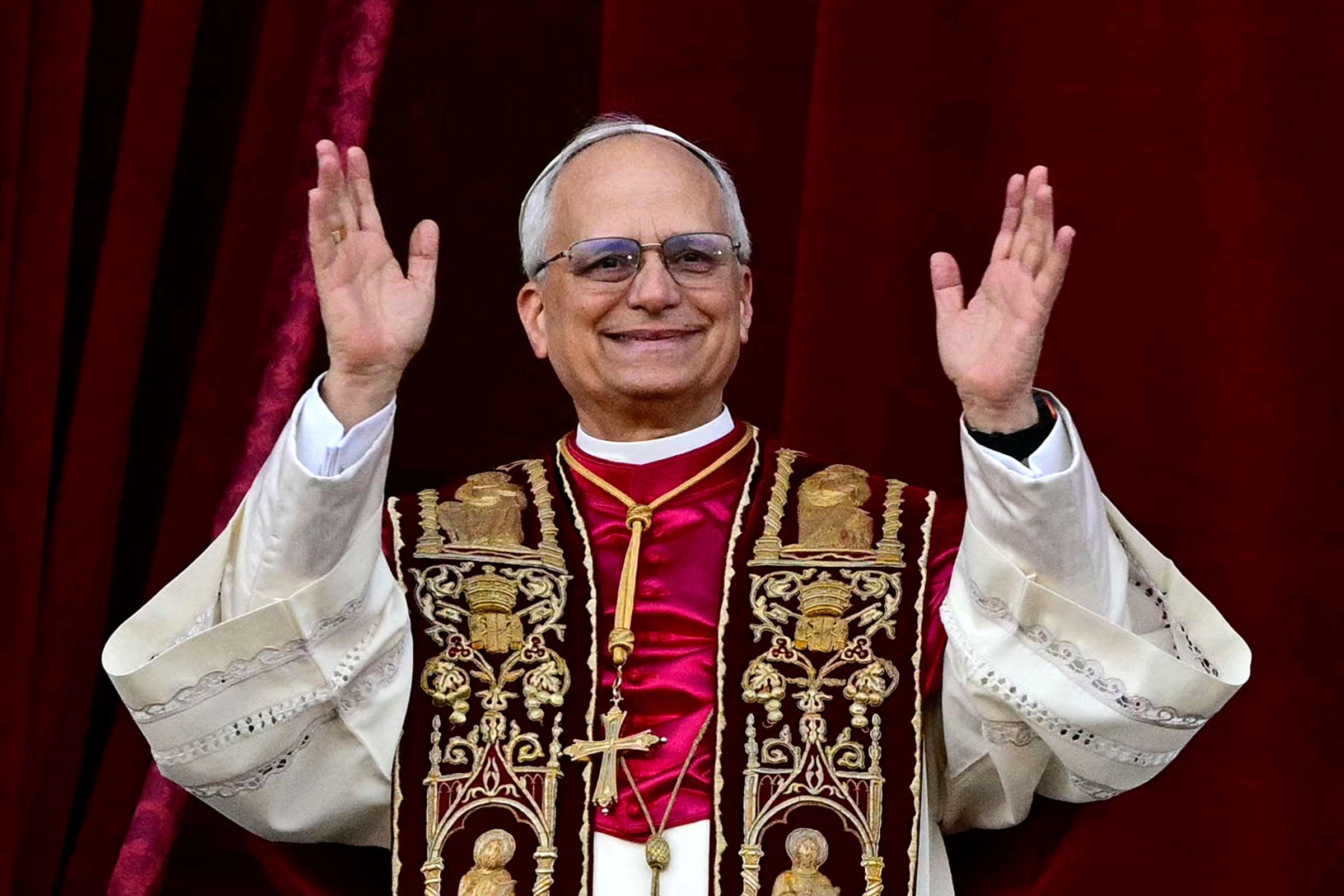
Pope Leo XIV
Europe’s military build-up draws sharp rebuke from Pope Leo XIV, who warns of a betrayal of diplomacy and social priorities.
By Norman Mwale
Pope Leo XIV has delivered his strongest rebuke yet of Europe’s accelerating military build-up, describing the surge in defence budgets as a “betrayal of diplomacy” that diverts resources from social welfare and fuels global instability. Speaking to students at Rome’s La Sapienza University on 14 May, the Pontiff warned that the Continent’s rearmament drive — the largest since the Cold War — was undermining peace efforts and entrenching a dangerous logic of confrontation.
Military spending across Europe rose 14 percent in 2025 to US$864 billion, according to the Stockholm International Peace Research Institute, as NATO members responded to the war in Ukraine and pressure from U.S. President Donald Trump to raise expenditure. At Mr Trump’s urging, the alliance last year endorsed a new defence spending target of 5 percent of GDP. The European Commission has since unveiled “ReArm Europe,” a plan expected to mobilise around €800 billion for EU defence.
Addressing the Aula Magna in his first papal visit to La Sapienza since 2008, Pope Leo said the world was being “maimed by wars” and that calling the expansion “defence” was misleading. “Do not call ‘defence’ a rearmament that increases tensions and insecurity, impoverishes investments in education and health, undermines trust in diplomacy, and enriches elites to whom the common good means nothing,” he declared. “This is not defence, but a betrayal of diplomacy.”
The Pope linked rising military budgets directly to the erosion of social priorities. Funds now earmarked for arsenals, he argued, were “not being used to combat poverty, to finance programmes that could improve the living conditions of those fleeing violence and misery, to enhance welfare, education, and schools, or to support the elderly.” Instead, he said, they were “filling the pockets of arms manufacturers,” even though EU military spending already surpasses that of Russia.
Leo XIV, who has adopted a more forceful tone on global leadership in recent months, repeated his criticism in an address to Spain’s parliament on 8 June. He told lawmakers that escalating conflict, deepening polarisation, and disregard for human rights had pushed the world into a “profound crisis,” calling Europe’s rearmament “troubling.” Spanish Prime Minister Pedro Sánchez has resisted Mr Trump’s demand for NATO members to spend 5 percent of GDP on defence, although Spain’s expenditure has tripled since 2018, rising from about €10 billion to more than €34 billion.
The Pontiff also cautioned against the militarisation of artificial intelligence, urging “rigorous ethical vigilance” over its use in warfare. He condemned AI-directed conflict as a “spiral of annihilation” that risked removing human responsibility from lethal decisions and worsening “the tragic nature of conflicts.”
The Vatican has framed the Pope’s interventions as part of a broader appeal for diplomacy. In his message for World Peace Day 2026, published in December, Leo XIV argued that “far beyond the principle of legitimate defence, such confrontational logic now dominates global politics, deepening instability and unpredictability day by day.” He warned that the deterrent power of military might was based “not on law, justice and trust, but on fear and domination by force,” echoing Saint John XXIII’s warning that “the conflagration could be started by some chance and unforeseen circumstance.”
The criticism has drawn muted responses from European capitals, many of which cite Russia’s invasion of Ukraine and shifting U.S. security commitments as justification for increased budgets. Pope Leo, however, insisted that reliance on arms over dialogue only deepens the crisis. “The increase in economic resources for armaments has once again become an instrument of relations between states,” he said, quoting Pope Francis. “All this generates fear and terror and risks overwhelming security.”
Calling for an “unarmed and disarming peace,” the Pope urged leaders to invest in education, health, and humanitarian cooperation instead of stockpiling weapons. “Rather than striving for an active and constructive role in peace efforts and negotiations, the European Union risks becoming unified only in the escalation of rearmament,” he warned.
Similar Posts by The Mt Kenya Times:
- Mt Kenya Times ePAPER September 19-20, 2026
- Kenya joins US and UK to put citizens on the terrorism frontline
- Kenya’s parliament races to tame the AI frontier
- Kalonzo calls Ruto to order over Uhuru attacks
- Gachagua takes his 2027 campaign to America
About the Author