Wicknell Chivayo: The man Africa loved, hated and never fully understood
 The Mt Kenya Times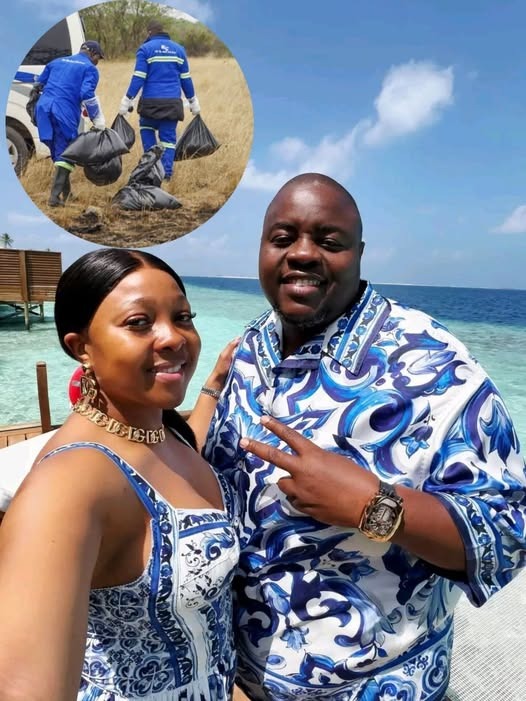
Wicknell Chivayo and his wife Lucy Muteke
By Mr. Fredrick Kipchumba Chelimo – PWD
Email; fkipchelimo@yahoo.com
“In Zimbabwe, they do not bury a person by remembering only the arguments they left behind; they bury them by remembering the human being they were.”
Wicknell Munondaani Chivayo popularly known as “Sir Wicknell” and his lovely wife met his untimely death with others on board a Helicopter on 30th September, 2026 at Kidenga farm in the Marindora area approximately 70 kms southeast of Harare. This marked the start of a mixed reaction on him as father, a national, a businessman and a philanthropist among others. Africa started grieving and more so the Zimbabweans and ultimately his family.
Zimbabwe has a distinctive way of mourning. When death arrives, political arguments temporarily fall silent, families gather, elders speak, churches pray and the nation searches for something human in the life that has ended. It is within that deeply African tradition that Zimbabwe now confronts the extraordinary and complicated story of Wicknell Chivayo. His death, alongside his wife Lucy Muteke and others in a helicopter crash near Marondera, has shocked Zimbabwe and reverberated across Africa. Investigations into the circumstances of the crash continue. President Emmerson Mnangagwa has since accorded Chivayo Provincial Hero status, recognising what the Government described as his contribution to society.
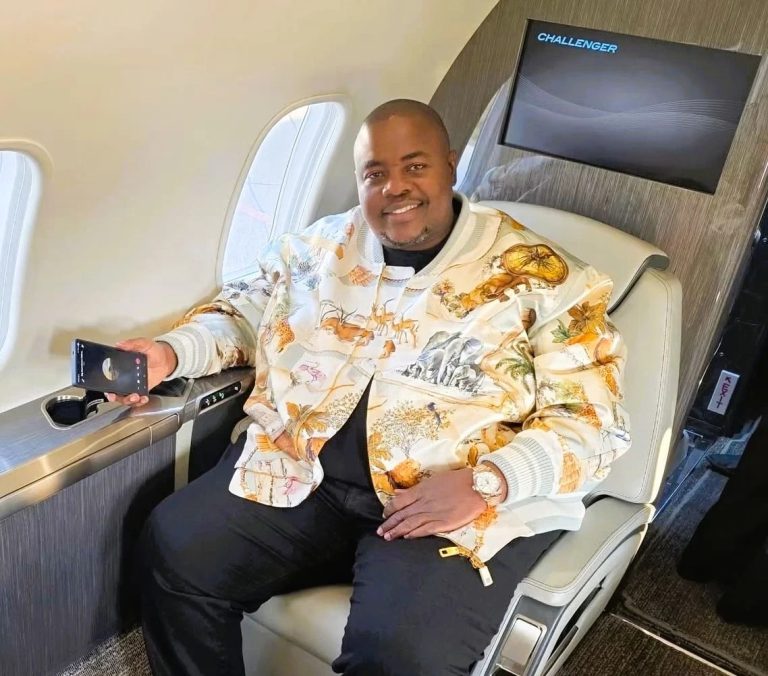
Yet Chivayo’s story cannot be contained in a government announcement, a funeral programme or a social-media tribute. He was, above everything else, a man of contradictions. He was flamboyant yet charitable, controversial yet deeply loved by many, politically connected yet extraordinarily popular among ordinary beneficiaries. He displayed wealth with a confidence that sometimes shocked a continent accustomed to seeing African success hidden behind guarded gates. Luxury cars, private aircraft, churches, celebrities, football and spectacular gifts became part of his public theatre.
But behind the spectacle was something more complicated: a man who appeared to believe that wealth was not merely something to possess, but something to demonstrate. That generosity became his signature. For the person whose medical bill was paid, the footballer whose salary was rescued, the church that received support or the individual who suddenly received a life-changing gift, Chivayo was not a political controversy. He was the man who appeared when help was desperately needed. And that matters.
Africa should be careful not to intellectualise away the gratitude of people who genuinely benefited from another person’s generosity. But generosity does not make questions disappear.
Chivayo’s business career, particularly the long-running Gwanda solar project, attracted scrutiny and legal disputes. Yet the record also contains important distinctions. Chivayo and Intratrek were acquitted in 2023 in the criminal case relating to the project after the court found that prosecution had been unreasonably delayed. Separately, Zimbabwe’s courts dealt with contractual disputes concerning the project, including a High Court ruling that the contract remained valid.
Those facts matter because Africa must learn to distinguish allegation from proof, suspicion from evidence and political criticism from judicial determination. But the questions surrounding public contracts, political access and the relationship between wealth and power remain legitimate questions for any society. That was perhaps Chivayo’s greatest paradox.
He became a symbol onto which different Africans projected their own hopes and frustrations. To the struggling young African, his Rolls-Royces represented possibility ,to the entrepreneur, his rise represented ambition, to the beneficiary, he represented generosity, to the churchgoer, he could represent faith expressed through giving, to the political establishment, he was a powerful networker and friend to critics of political patronage, his proximity to presidents represented uncomfortable questions about access and influence. And to Zimbabwe itself, he became something even more complicated: a mirror.
His relationships extended beyond Zimbabwe. His association with Kenyan President H.E William Ruto made him a recognisable figure in Kenya, while his closeness to President Mnangagwa placed him firmly within Zimbabwe’s political and social elite. His photographs with powerful people were public facts; what those relationships meant beyond the visible association requires evidence, not speculation.
Perhaps this is why Africa found Chivayo difficult to categorise. He was too generous to be reduced to his controversies and too controversial to be remembered simply as a philanthropist. His death has now changed the meaning of the argument. The man who once occupied social media timelines with displays of wealth is suddenly being remembered through photographs, family, children, friends, beneficiaries and mourning crowds. The extravagant businessman has become a husband who left a grieving family. The celebrity has become a father whose absence will be felt privately long after the public has moved on.
This is where the Zimbabwean way of honouring the dead becomes important. To honour Chivayo as a hero does not require Zimbabweans to surrender their questions. To question aspects of his public life does not require them to deny his humanity. A mature society can do both.
Zimbabwe can mourn the man, celebrate the good he did, remember the people he helped and still demand that institutions remain transparent. Africa can admire ambition without romanticising proximity to political power. It can celebrate philanthropy without abandoning accountability.
Perhaps that is the real legacy Chivayo leaves behind. Not an answer, but a question. Can Africa learn to celebrate extraordinary African success while building institutions strong enough to ensure that success, political influence and public resources remain governed by rules rather than relationships?
Wicknell Chivayo lived loudly. He gave loudly. He succeeded loudly. He was criticised loudly. And now, he is being mourned loudly. But beneath the cars, contracts, presidents, churches, photographs, controversies and enormous gifts was a human being whose story can never be reduced to one colour. Zimbabwe has chosen to honour him.
History will continue to examine him. And perhaps the most African way to remember Wicknell Chivayo is to allow both truths to breathe. Honour the good. Remember the human being. Ask the difficult questions. And never allow either grief or admiration to become a substitute for truth.
“A man may leave behind wealth, controversy and influence; but in the end, what remains is the human difference his life made—and the questions his life leaves for those who remain.”
Similar Posts by The Mt Kenya Times:
- Kwale’s electricity push moves from grid to growth
- Linguistic Features Of Chromatonyms In English And Uzbek
- A Poem, a Universe: A poetry book gaze at Jumaniyoz Jabborov’s “Ko‘zgudagi sanam”
- Wicknell Chivayo: The Story That Wasn’t Told
- Kenyans abroad are sending billions home — but are they getting a bigger seat at the table?
About the Author