Kenyans abroad are sending billions home — but are they getting a bigger seat at the table?

As diaspora remittances surpass US$5 billion, the conversation must move beyond money
By Collins Kibet
Kenyans living abroad have become an increasingly important part of the country’s economic story. From the United States and Canada to Europe, the Middle East, Australia and many other corners of the world, Kenyans in the diaspora maintain strong financial and social ties with their families and communities back home. Every month, money sent by Kenyans abroad helps families cover school fees, meet medical bills, build homes, support small businesses and manage a rising cost of living. But as the financial contribution of the diaspora continues to grow, an important question deserves far greater attention: are Kenyans abroad receiving a voice and the opportunities that reflect the full size of their contribution to Kenya?
Central Bank of Kenya data confirms that diaspora remittances rose to a record US$5.04 billion in 2025, cementing their position as the country’s largest single source of foreign exchange. The figure demonstrates just how deeply connected the Kenyan diaspora remains to the economy at home. Yet the larger question is whether Kenya’s relationship with its citizens abroad should be measured primarily by the volume of money they send. Should Kenyans living thousands of kilometres away be viewed mainly as sources of foreign exchange, or should their skills, professional experience, international networks and investment capacity also receive far greater recognition?
For years, remittances have remained the most visible way in which the diaspora contributes to Kenya. A parent working abroad pays school fees for children at home. A relative sends money to help construct the family house. Another Kenyan covers the cost of medical treatment for an ailing parent. Collectively, these individual transfers have a substantial effect on millions of households and communities across the country. But what if the relationship between Kenya and its diaspora could move beyond supporting family needs and toward building sustainable businesses and creating lasting employment opportunities?
The question becomes even more pressing when one considers the professional expertise accumulated by Kenyans living abroad. A Kenyan doctor working in the United States may hold specialist knowledge that could directly benefit the country’s struggling healthcare sector. An engineer in Germany may have hands-on experience with technologies ready to be applied at home. A technology professional in Canada or the United Kingdom may hold international connections that could open global markets to Kenyan businesses. If these skills were linked systematically with institutions and entrepreneurs at home, could the diaspora become an even more powerful engine for economic transformation?
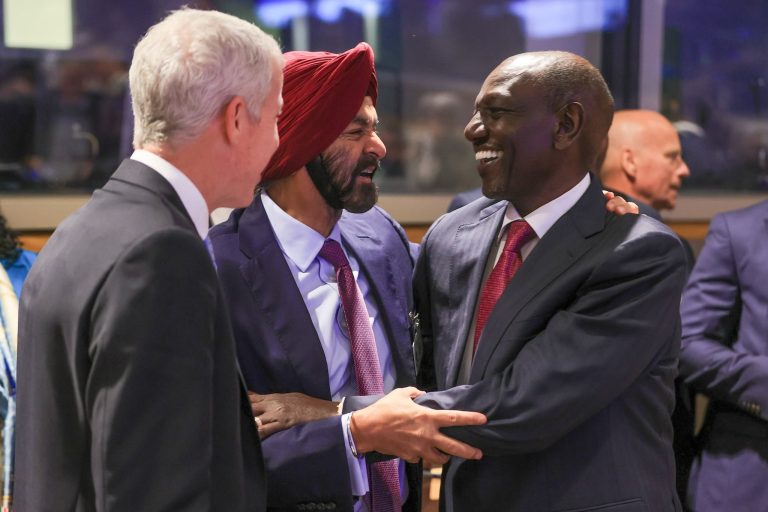
Kenya has taken steps toward strengthening exactly that connection. On 20 September 2026, President William Ruto witnessed the signing of a Joint Declaration of Intent in New York between the Kenyan government, the United Nations in Kenya and Equity Group Holdings, marking the launch of the Kenya Diaspora Impact Platform. The government-led digital initiative is designed to connect diaspora capital, skills and professional networks with investment and enterprise opportunities in Kenya. The announcement raises a compelling question: could a more organised approach to diaspora engagement convert remittances and professional expertise into sustained investment, innovation and new jobs?
The potential is significant, particularly at a time when Kenya continues to grapple with youth unemployment and constrained economic opportunities. Could diaspora investors partner with young Kenyan entrepreneurs to establish businesses? Could professionals abroad mentor recent graduates and open doors to international opportunities? Could diaspora capital help expand manufacturing, technology, agriculture, healthcare and other productive sectors in ways that create jobs rather than simply financing household consumption?
That said, attracting meaningful diaspora investment will require more than launching platforms. Kenyans abroad will also need genuine confidence that their investments will be protected and handled transparently. A person living thousands of kilometres away faces real difficulties monitoring a business, identifying reliable partners or resolving disputes when things go wrong. Could Kenya therefore strengthen the mechanisms that make investment easier, more transparent and more secure for citizens living outside its borders?
The Central Bank of Kenya’s 2025 Remittances Household Survey reported that Kenyan households received KSh931.8B in remittance inflows during the reference period of June 2024 to May 2025, with the United States accounting for 43.5 per cent of the total. These numbers speak to the extraordinary scale of the financial relationship between Kenyans abroad and their families at home. But they also raise another question: if such enormous resources are already flowing into Kenya, how much more could be achieved if a larger proportion were directed toward productive investment and job creation rather than household consumption alone?
There is also the matter of participation. Financial contribution and civic participation are not the same thing. A Kenyan may spend decades building a career abroad while simultaneously supporting relatives, investing in property or maintaining businesses at home. Yet physical distance makes active participation in national affairs genuinely difficult. Should Kenya create stronger and more accessible channels through which its diaspora can contribute ideas and expertise to national development, beyond simply sending money?
The debate is not about giving Kenyans abroad privileges over those living in the country. Rather, it is about recognising that the diaspora represents part of Kenya’s broader human and economic capital. Their experience of different economies, institutions, technologies and professional environments could provide genuinely useful insights when properly connected to domestic development. Could Kenya benefit more by treating its diaspora as development partners rather than primarily as remittance senders?
There is also a generational dimension worth considering. Many young Kenyans left the country in search of education, employment or better economic conditions. Some have built successful careers and businesses abroad. Others continue to navigate the high cost of living and difficult working conditions in foreign countries. Yet many remain emotionally and financially bound to Kenya. The challenge is maintaining that connection while creating meaningful opportunities for those who want to invest their skills and resources back home.
Part of the answer may lie in building stronger bridges between the diaspora and Kenya’s private sector, universities, county governments, entrepreneurs and national institutions. Rather than leaving individual Kenyans abroad to identify opportunities on their own, could Kenya develop more transparent systems that clearly show where investment and professional expertise are most needed? Could digital platforms make it easier for diaspora professionals to mentor young people, invest in businesses and participate in development projects without necessarily returning permanently?
The growing volume of remittances also presents an opportunity to rethink what development itself means. Sending money to a family member immediately improves that household’s circumstances, but investment in a business can potentially create income for many more people. Supporting one person’s education can transform their future; establishing a training institution could benefit an entire community. Building a family home provides security; investing in productive enterprises can generate employment for others. The challenge lies in finding a workable balance between addressing immediate household needs and encouraging investment with longer-term economic impact.
Ultimately, Kenya’s diaspora story is no longer simply about citizens leaving the country and sending money back home. It is increasingly about how a global Kenyan community remains connected to the country’s economic, social and professional future. With billions of dollars flowing in through remittances each year and thousands of professionals gaining world-class experience in international markets, Kenya holds a significant pool of financial and human capital well beyond its own borders.
The central question, therefore, is no longer simply how much money Kenyans abroad are sending home. It is whether Kenya can build the systems that allow those billions, alongside the knowledge and networks of the diaspora, to contribute more effectively to investment, innovation and employment. If Kenyans abroad continue to support families, invest in communities and contribute billions to the economy each year, should the next chapter of the diaspora story not be about building a far stronger and more deliberate partnership between those abroad and the country they continue to call home?
Similar Posts by The Mt Kenya Times:
- Wicknell Chivayo: The Story That Wasn’t Told
- Wicknell Chivayo: The man Africa loved, hated and never fully understood
- A passport or a laptop: How young Kenyans are finding work beyond home
- Why schools lose parents — and how words can win them back
- Her pen is your lifeline
About the Author