Kenya mobilises KSh70B to fight Ebola as US and World Bank step in
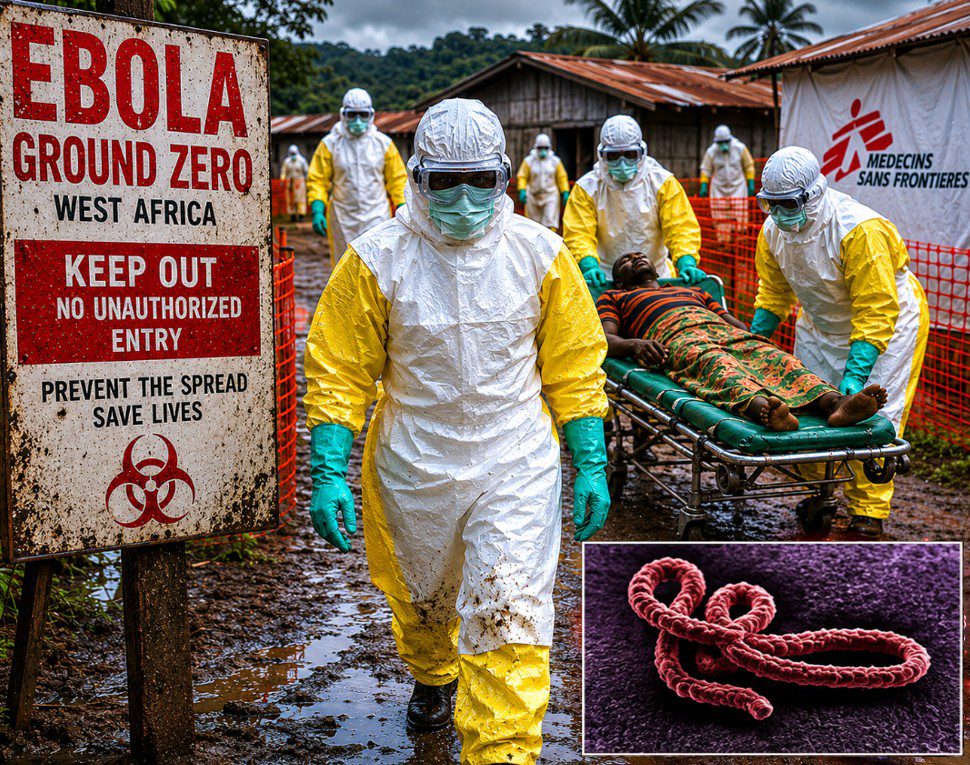
Treasury seed fund of KSh2.6B anchors a broader international financing package for surveillance, treatment and containment
By David Kimani
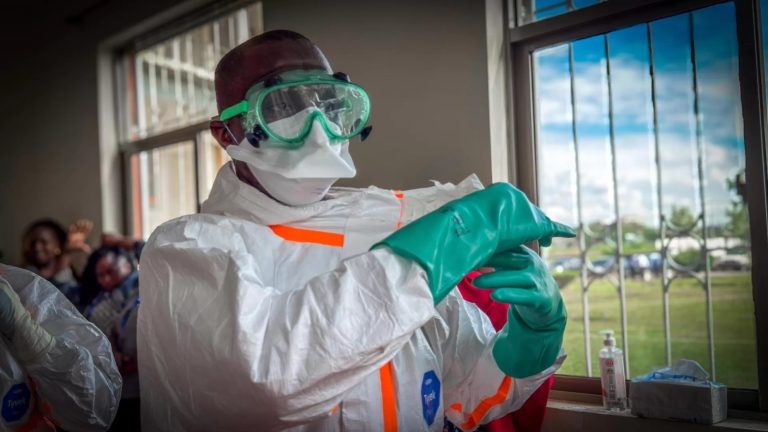
Kenya is assembling a KSh70B Ebola response fund backed by the United States government and the World Bank, as the country races to contain the virus following confirmation of its first imported case.
The National Treasury has set aside an initial KSh2.6B as a preliminary Ebola response mitigation fund to support the Ministry of Health in preparing for and managing a potential outbreak. The bulk of the financing, however, is expected to flow from international partners already engaged in the response.
The US government has committed KSh21B in direct assistance through the Department of State, while the World Bank is expected to provide a further KSh51.8B in emergency financing after Kenya activated the lender’s Rapid Response Option. Together with the Treasury allocation, the combined package would push total available funding beyond KSh70B.
The funds are earmarked for strengthening surveillance systems, improving early detection capacity, training community health workers and procuring essential medicines and supplies for patients. Health officials say the financing will also support contact tracing operations already under way following the death of a Kenyan national who travelled from the Democratic Republic of Congo through Uganda before arriving in Nairobi, where he later died. Authorities have since identified 28 contacts and begun passenger tracing linked to his journey.
At the centre of the funding package is the KSh21B allocated to a US-financed bio-isolation facility at Laikipia Air Base. The facility, designed as a 50-bed isolation and Ebola quarantine unit, has become a source of considerable controversy. Courts suspended its establishment following public concern about the risk of cross-border infection, leaving the operationalisation of the site in legal limbo even as the broader Ebola response accelerates.
Despite that uncertainty, seven American disaster response workers who were reportedly admitted to the Laikipia facility have since been discharged after completing a mandatory 21-day quarantine period, suggesting that at least some functions of the site have been operational notwithstanding the legal proceedings.
The scale of the financing package reflects both the severity of the threat and the speed with which international partners have moved to support Kenya. The current Ebola outbreak in the DRC has recorded thousands of confirmed infections and more than 4,000 deaths, making it one of the deadliest outbreaks in recorded history. Kenya’s status as a major regional transport and aviation hub has heightened concern that the virus could spread further if containment measures are not robust and swiftly implemented.
Health officials have repeatedly stressed that the country’s response systems were strengthened ahead of the confirmed case, with surveillance, border screening and laboratory capacity all upgraded in anticipation of a potential importation event. Whether those systems, now backed by a substantial international financing package, are sufficient to prevent a wider outbreak will be the defining test of Kenya’s public health infrastructure in the months ahead.
The Laikipia court proceedings are expected to resume shortly, with a ruling on the facility’s future likely to shape how a significant portion of the response funding is ultimately deployed.
Similar Posts by The Mt Kenya Times:
- Mt Kenya Times ePAPER October 7, 2026
- Ruto signs KSh389B electric vehicle deal at State House
- High Court freezes law school admissions over disputed entry rules
- Grade 11 textbooks head to schools as CBC transition gathers pace
- KEMSA takes customer service week to the community
About the Author