Dedicated to October 21 — Uzbek Language Day
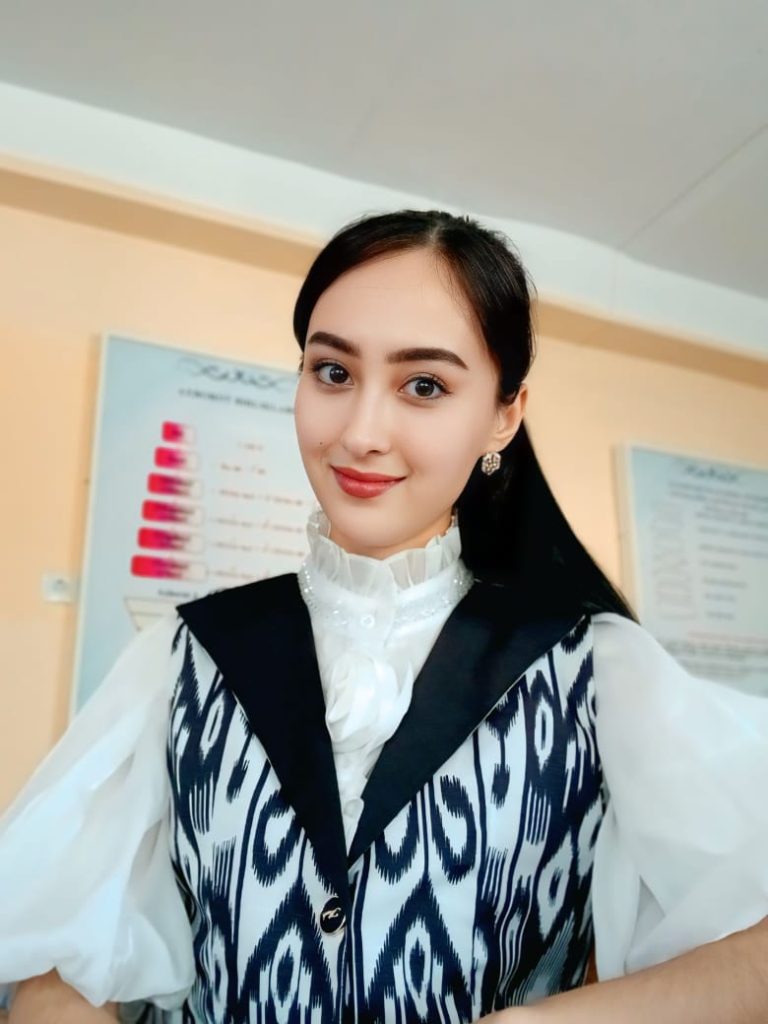
Author: Elbekova Shohsanam
Teacher of Uzbek Language and Literature, Secondary School No. 22, Namangan District, Namangan Region, Uzbekistan
Introduction
Every nation possesses an invaluable treasure that reflects its identity and distinguishes it from other peoples. This treasure is its language, history, culture, and spiritual heritage. Language is not merely a means of communication; it is a living memory that embodies the centuries-old intellectual heritage, worldview, customs, and values of a nation. From the earliest moments of life, a person discovers the world through their mother tongue, understands their surroundings through its words, and expresses their first joys and emotions in it. Therefore, the mother tongue is one of the most precious, sacred, and deeply cherished spiritual treasures of every individual.
Our mother tongue is the language of the lullabies that touched our hearts in childhood, the loving words of our mothers, the wise advice of our fathers, the meaningful lessons of our teachers, and the poems that bring comfort to our souls. It connects us to our roots, helps us understand our national identity, and awakens feelings of patriotism and respect for the heritage of our ancestors. To love one’s mother tongue means to cherish one’s identity, value one’s history, and care about the future.
The Uzbek language is one of these great spiritual treasures. Its rich vocabulary, melodious sound, subtle shades of meaning, and extensive expressive possibilities reflect the priceless heritage created by our people over many centuries. As we celebrate Uzbek Language Day, we should reflect on the historical development of our language, its role in society, its importance in educating younger generations, and our responsibility to preserve it for the future.
October 21 is a particularly meaningful date for the Uzbek people. It reminds us of the historical significance of our language and encourages us to renew our commitment to preserving, developing, and promoting it. This occasion is not merely a celebration; it is also an opportunity to recognize that the future of our language depends on the respect, care, and dedication of every generation.
Main Body
The Uzbek language has undergone a long historical journey and has developed in close connection with the rich spiritual life of our people. Our ancestors created epics, composed wise sayings, wrote scientific and literary works, and passed their life experiences down to subsequent generations in this language. Proverbs, sayings, fairy tales, songs, and epics preserved in our oral tradition demonstrate the richness and expressive power of Uzbek. Behind every proverb lies the experience of the people, while every meaningful expression reflects centuries of wisdom and intellectual development.
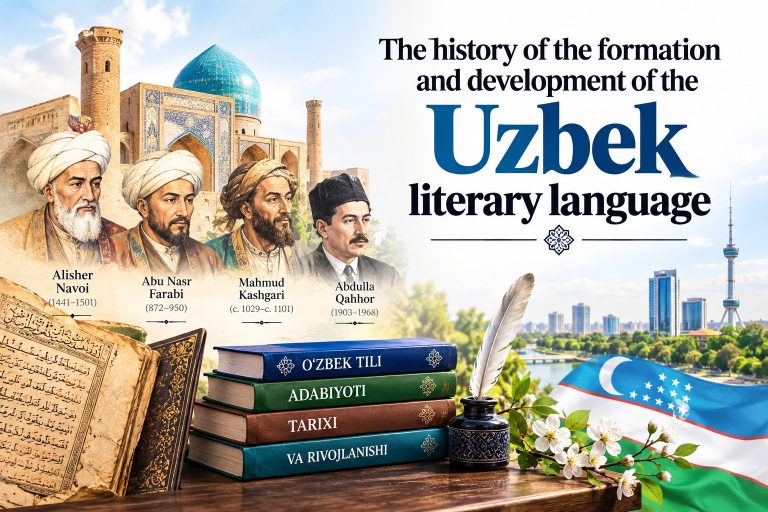
The contributions of our great thinkers and writers to the development of the Uzbek literary language are invaluable. In particular, Alisher Navoi demonstrated the extensive possibilities of the Turkic language through his exceptional literary talent and made a remarkable contribution to strengthening its position as a literary language. His works reveal the subtle shades of meaning, word-forming possibilities, and remarkable ability of our language to express the deepest aspects of human nature. Navoi’s legacy continues to inspire today’s generation to study their mother tongue, appreciate the value of words, and develop a high standard of linguistic culture.
Zahiriddin Muhammad Babur, Mashrab, Ogahi, Muqimi, Furqat, and many other writers also enriched the artistic possibilities of our language through their works. In later periods, the Jadid enlighteners devoted particular attention to developing the mother tongue, improving literacy, and advancing education. Their educational ideals remain relevant today because the progress of a language is closely connected with learning, reading, scientific inquiry, and intellectual development.
An important milestone in the history of the Uzbek language was its recognition as the state language. On October 21, 1989, Uzbek was granted state language status, marking a significant step in the development of national identity and the strengthening of the language’s position in public life. Today, October 21 is celebrated in Uzbekistan as Uzbek Language Day. This occasion is not only an expression of respect for our language but also an opportunity for each of us to reflect on our responsibilities toward it.
The status of a state language is established through laws and official decisions, but its true prestige is also reflected in the everyday attitudes and actions of society. The development of Uzbek requires its proper and effective use in government institutions, educational establishments, scientific research, mass media, and daily communication. Respect for a language should not remain merely a slogan; it must be demonstrated through our practical activities, written correspondence, official documents, and interactions with others.
Loving one’s mother tongue begins with observing its linguistic standards. Using words appropriately, following spelling rules, expressing thoughts clearly and fluently, and addressing others respectfully are essential elements of linguistic culture. In everyday life, we sometimes encounter careless word choices, unnecessary use of foreign expressions, and spelling mistakes in written communication. Simply criticizing such problems is not enough. It is equally important to develop a conscious and responsible attitude toward language and help people improve their speaking and writing skills.
In particular, developing young people’s language culture is one of the important tasks of our time. The way young people communicate, the richness of their vocabulary, and their writing skills directly influence their intellectual and personal development. Encouraging students to read literature, teaching them to analyze texts, motivating them to express independent opinions, and assigning creative writing tasks all strengthen their appreciation of the mother tongue. Students who master their language can express their thoughts freely, understand the ideas of others accurately, and participate more actively in society.
Teachers of Uzbek language and literature play a particularly important role in this process. A teacher does more than explain grammatical rules: they also help students appreciate the power of words, understand literary works, value eloquent speech, and develop independent thinking. Introducing students to the richness of the language, using examples from oral folk literature, and studying the works of classical and contemporary writers enrich their spiritual world. Young people who develop a love for their mother tongue and a respect for books become worthy guardians of our national heritage.
During Uzbek language and literature lessons, it is important not to limit education to the delivery of ready-made knowledge. Students should also be encouraged to explore, ask questions, participate in discussions, and support their opinions with evidence. Such an approach makes language learning more engaging and meaningful. Memorizing poetry, writing stories, interpreting proverbs, analyzing literary texts, and preparing creative essays expand students’ vocabularies and develop their expressive abilities. As a result, they begin to understand Uzbek not merely as a school subject but as an invaluable means of expressing their thoughts and feelings.
The unique beauty of our mother tongue is especially evident in literature and poetry. Through words, poets express the most delicate emotions of the human heart and give profound meaning to ordinary events. A single verse can inspire reflection, a literary image can awaken love for the homeland, and a sincere line can remain in a person’s memory for many years. This is the aesthetic power of language and the profound influence of words.
Uzbek poetry frequently explores love for the mother tongue, longing for the homeland, the destiny of the people, and universal human values. When reading the works of our poets, we discover that our language is capable not only of communicating ideas but also of uniting hearts, inspiring goodness, and enriching the human spirit. For this reason, encouraging young people to appreciate poetry, developing their artistic thinking, and supporting their creative abilities are also important for the future of our language.
In today’s era of globalization, the Uzbek language faces new opportunities as well as important challenges. Learning foreign languages, developing international scientific cooperation, and gaining knowledge from global experience are essential in the modern world. However, learning other languages should never come at the expense of our mother tongue. On the contrary, a strong command of one’s native language provides a solid foundation for learning additional languages.
Every language possesses its own beauty and expressive potential. Knowing several languages broadens one’s worldview and helps develop an understanding of different cultures. At the same time, we must continue to develop Uzbek in science, technology, diplomacy, literature, and modern communication. Expanding the international reach of our language requires high-quality translations, the improvement of scientific terminology, and the creation of more contemporary resources in Uzbek.
In the modern world, where digital technologies are developing rapidly, the presence of Uzbek in the digital environment is becoming increasingly important. Producing high-quality content in Uzbek for social media, electronic publications, and digital platforms helps strengthen the language’s position. At the same time, it is necessary to promote correct writing, respect for literary standards, and responsible information sharing online. Using modern technologies to support our mother tongue creates new opportunities for younger generations.
Preserving a language begins with using it actively, studying it carefully, and enriching its possibilities. Each of us can contribute to this noble cause by reading books in Uzbek, writing correctly, having meaningful conversations with children in our mother tongue, and learning about our national traditions. The future of a language depends not only on the work of specialists but also on society’s attitude toward it and its everyday use.
Respect for our mother tongue means preserving our history, culture, and national identity. If we value our language, explore its richness, and pass it on to our children, future generations will be able to continue this legacy with dignity. The vitality of a language is closely connected with the place it holds in people’s hearts, the extent to which it is used in everyday life, and its ability to adapt to the needs of a changing world.
Conclusion
The mother tongue is the historical memory, spiritual identity, cultural wealth, and invaluable heritage of a nation. The Uzbek language embodies the intellectual achievements, customs, traditions, and aspirations of our people, developed over centuries. It connects us with our great ancestors, strengthens our love for the homeland, and enables us to pass our national heritage on to future generations.
Uzbek Language Day provides an opportunity to appreciate the value of our language, reflect on our contributions to its development, and identify the responsibilities that lie ahead. However, respect for the mother tongue should not be limited to a single day. It should be reflected in our daily conversations, our writing, the education of our children, and our contributions to society.
As teachers, we must strive to introduce younger generations to the richness and beauty of Uzbek and help them become literate, independent-minded individuals who value their national heritage. Inspiring every student to appreciate the mother tongue, encouraging a love of reading, and teaching them to express their thoughts fluently are among our important responsibilities toward the future. The young people we teach to cherish their language today will contribute to its development and prosperity tomorrow.
Therefore, let us cherish our mother tongue, preserve its purity and richness, and develop it in harmony with modern progress. Let us demonstrate respect in every word we speak, literacy in every sentence we write, and national pride in every creative endeavor we undertake. Let us make the promotion of our language a practical responsibility in our everyday lives rather than merely a slogan.
Indeed, love for one’s mother tongue is love for one’s homeland, nation, and ancestral heritage. As long as our language lives, our collective memory, spiritual values, and national identity will continue to flourish.
My mother tongue is my pride, my honor, and the most sacred voice of my heart! To love it, preserve it, develop it, and pass it on to future generations is the honorable responsibility of us all.
Dedicated to October 21 — Uzbek Language Day.
Similar Posts by The Mt Kenya Times:
- Diaspora Times Global Oct 17 – Oct 23, 2026
- Is social media a blessing or a curse for university students?
- Light at last: How electricity is reshaping Nandi and Uasin Gishu
- The triple squeeze: how EPRA’s fuel price hike is reshaping the survival equation for the common mwananchi
- Zelenskyy accuses Trump of rewarding Putin as Pope pleads for peace from a hospital bed
About the Author