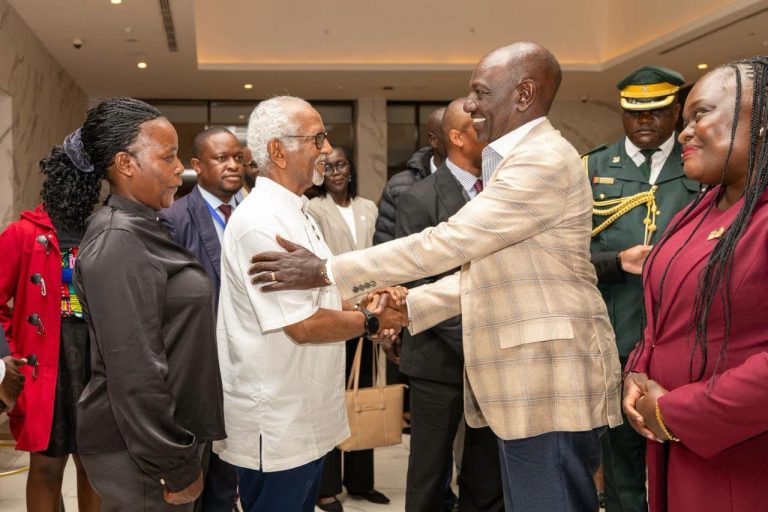
Kithure Kindiki during the launch of construction works in Maara Constituency yesterday
After four decades of fatal crashes, the Nithi Bridge is finally being replaced — but the real test is whether this highway can be made safe before another family is destroyed by it.
By Agnes Njoka
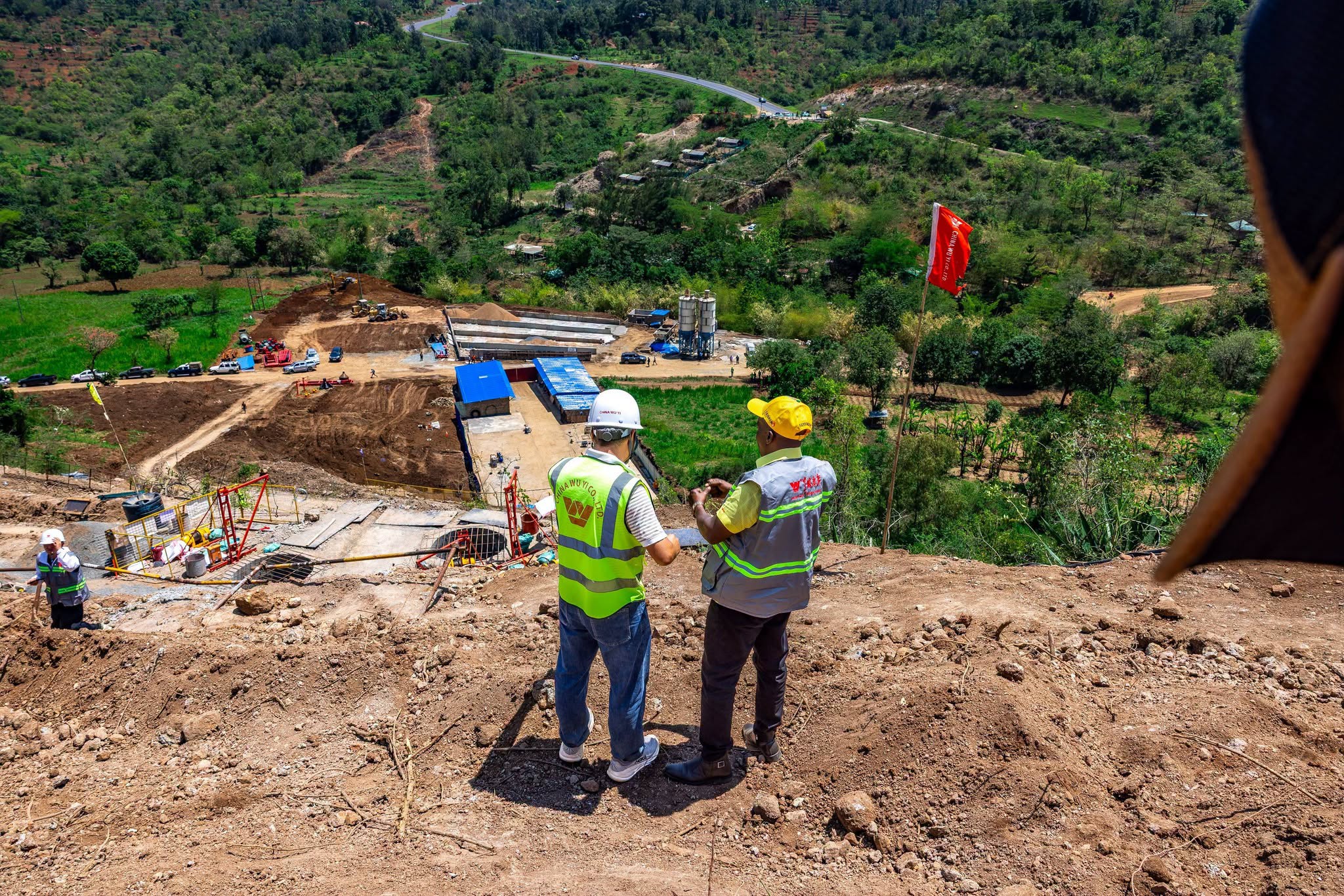
Deputy President Kithure Kindiki yesterday announced the start of construction of a new KSh7.5 billion bridge across River Nithi in Tharaka Nithi County, replacing a 40-year-old structure long regarded as one of Kenya’s deadliest road accident black spots.
Speaking at the launch in Maara Constituency, Kindiki said the new bridge will stretch 880 metres and rise 100 metres above the river, with an additional 2.7 kilometres of approach roads connecting Marima and Mitheru trading centres. The existing structure, built in 1985, has claimed hundreds of lives over four decades — a grim toll extracted from buses, trucks and private vehicles navigating what engineers and road safety officials have long identified as a fundamentally dangerous crossing.
“Residents have appealed for a safer crossing for years following accidents that have claimed too many lives,” Kindiki said. “President Ruto’s administration committed to replacing this bridge upon taking office in 2022, and we have now secured and ring-fenced the full KSh7.5 billion required to see this project through without financial interruption.”
The Deputy President acknowledged that the project had taken longer than anticipated to commence, attributing the delay to the complexity of the engineering design and the scale of financing required. Those explanations will offer little comfort to families who lost relatives on the Nairobi-Embu-Meru highway while the government worked through its planning processes — but the announcement of a funded, ring-fenced budget does address the most common reason Kenyan infrastructure projects stall before completion.
Construction is scheduled for completion within 24 months, though Kindiki indicated the government would push to shorten that timeline without compromising engineering and safety standards. Once complete, the bridge is expected to transform movement along one of central Kenya’s most strategically important highways, linking the capital to the densely populated Mt Kenya East corridor and easing the passage of goods, passengers and commercial traffic through a region that has long paid an unacceptable price for inadequate infrastructure.
The KSh7.5 billion commitment is significant. Whether the project delivers on schedule, within budget and to the safety standards its cost implies will ultimately define its legacy — not the ceremony that launched it.
For the families of those lost on the Nithi Bridge, the only acceptable outcome is a crossing that no longer kills.
Similar Posts by The Mt Kenya Times:
- Direct hospital access to KEMSA cuts drug delays, says PS
- Africa can’t wait: Continent seeks $1 trillion for climate adaptation
- Ruto passes the baton as Africa’s trade bloc faces a fragmenting world
- Kenya’s recall law: Parliament sets the threshold — but the real test comes in 2027
- Shell V-Power Tanker among seven merchant shipping tankers calling at the port of Mombasa
About the Author