Beyond the rubble: Nairobi’s building collapses are a failure of systemic oversight
 The Mt Kenya Times
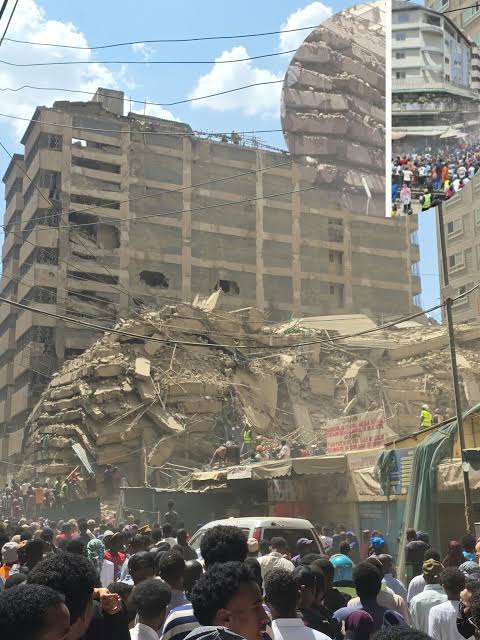
Collapsed multi-storey building on 9th Street in Eastleigh
The Eastleigh disaster is not an isolated tragedy — it is the predictable consequence of a regulatory system that treats paperwork as a substitute for enforcement.
By David Nyaga
The sound of a collapsing multi-storey building in Nairobi has become a grim, familiar feature of the city’s urban landscape. Saturday’s catastrophe on 9th Street in Eastleigh, where a high-rise structure crumbled into a mangled heap of concrete and twisted steel, is not merely an isolated tragedy. It is a symptom of a deeply compromised regulatory ecosystem. As multi-agency rescue teams sifted through the debris, a familiar political and bureaucratic theatre kicked into gear: frantic site visits, finger-pointing, and promises of thorough investigations. Kenyans are tired of post-mortem outrage. Another cycle of temporary shock will not do. What is needed is structural accountability.
To understand why a building can pancake into dust, one must examine the hollow spaces between statutory compliance and actual enforcement. The National Construction Authority confirmed that the Eastleigh project was duly registered, with the developer, contractor, architect, and structural engineer all listed on paper. Yet names on a form mean little when the physical reality on the ground diverges entirely from approved blueprints.
A recurring loophole in Kenya’s construction sector is what might be called the approval fallacy. Regulatory bodies too often treat the issuance of permits, environmental clearances, and registration certificates as the final destination of safety rather than the starting point. Projects acquire all the requisite paperwork legally, then developers systematically bypass compliance during actual construction. Nairobi Governor Johnson Sakaja noted at the site that while initial documentation existed, critical anomalies emerged later — including a troubling pattern of developers sidelining registered professionals once approvals are secured. The question that follows is uncomfortably simple: who audits the site while the concrete is curing? When corners are cut through substandard steel, compromised cement ratios, or unauthorised floor additions, paperwork cannot hold up a failing column.
This is precisely where the Engineers Board of Kenya and the Board of Registration of Architects and Quantity Surveyors must step out of the shadows. Engineering and architecture are not consultancy arrangements. They are life-and-death public trusts. When a structure collapses under its own weight, these professional bodies must immediately initiate independent inquiries and strip practising licences from any professional who signs off on a compromised project or permits developers to misuse their credentials. Where professionals are being coerced or pushed off-site, whistleblowing mechanisms must flag such departures before disaster strikes, not after. The professional code of ethics is too often subordinated to commercial expediency, while weak financial penalties treat human lives as a manageable cost of doing business.
The institutional response to the Eastleigh tragedy has once again exposed damaging friction between agencies. County authorities lament the lack of direct prosecutorial powers. Investigators flag missing inquiry files. Meanwhile, construction workers and tenants pay the ultimate price for administrative turf wars. Accountability cannot be outsourced to press statements or bureaucratic buck-passing.
Real reform requires two things above all else. First, real-time site tracking: the NCA and county inspectorates must digitise project lifecycles so that unauthorised structural deviations trigger immediate stop-orders rather than retrospective investigations. Second, aggressive professional policing: the Engineers Board and its counterparts must enforce strict professional and criminal liability from foundation to finish, not merely from application to approval.
The rubble on 9th Street is a stark monument to regulatory failure. Until the NCA, the Engineers Board, and county governments stop operating in silos and start treating construction safety as a non-negotiable public safety issue, Nairobi’s skyline will remain a graveyard of unheeded warnings.
Similar Posts by The Mt Kenya Times:
- Saka dedicates Sócrates Award to Rwandan boy who regained his sight
- Mt Kenya Times ePAPER October 27, 2026
- Sifuna draws hope from Serbia and Brazil as Kenya’s 2027 race heats up
- Uhuru calls for unity as he marks 65th birthday
- Kenya establishes international crimes division: Justice delayed, but will it be delivered?
About the Author