African Feminist Movement Rallies Partners to Make Schools Engines of Justice
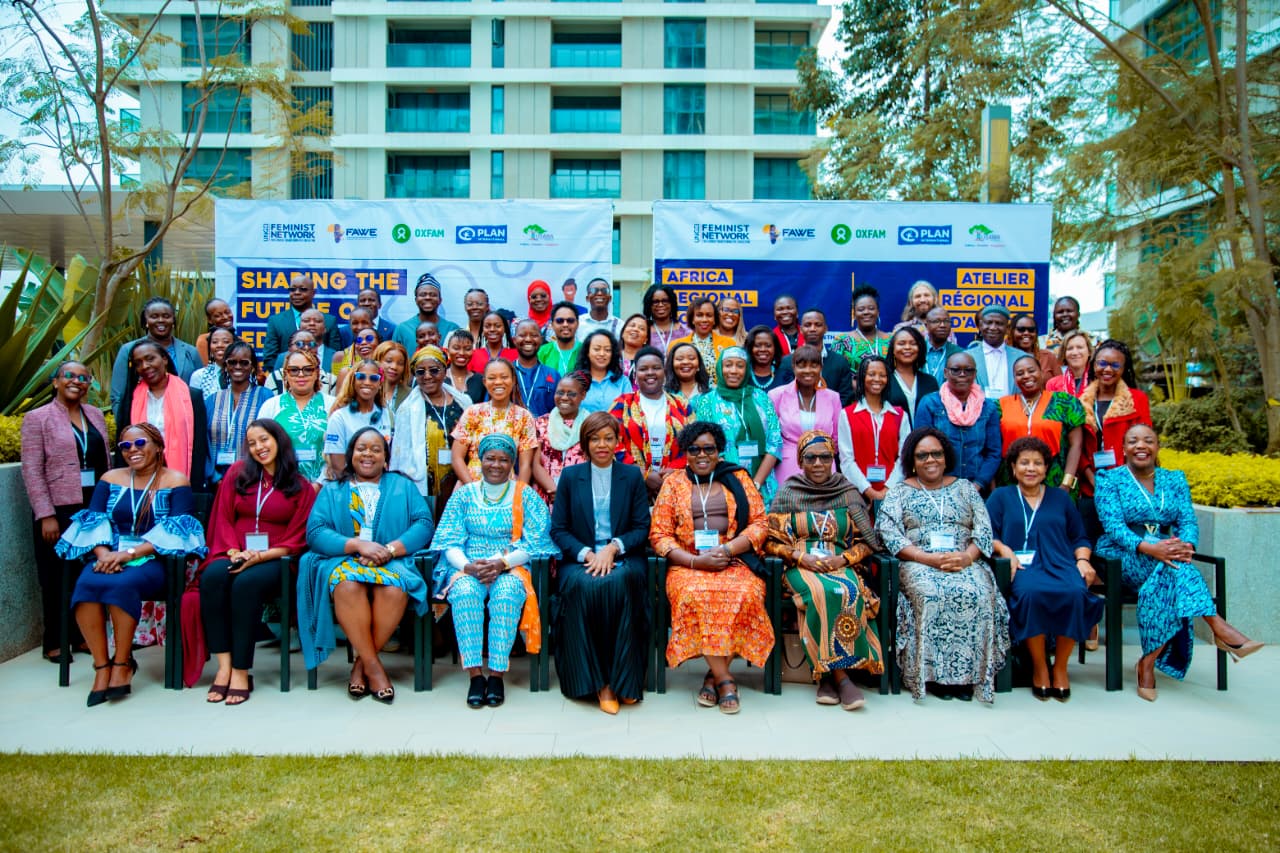
In picture, Feminist Network for Gender Transformative Education (FEMNET4GTE) Africa Regional Action Workshop, which brought together over 50 leaders, policymakers, activists, and education experts to chart bold strategies for advancing gender equality in and through education across the continent.
By Aoma Keziah,
The Feminist Network for Gender Transformative Education (FemNet4GTE) has convened a two-day Africa Regional Action Workshop in Nairobi, bringing together partners from across the continent to advance gender equality in education.
The workshop, which opened on 26 August 2025, has drawn participants from civil society, academic institutions, multilateral bodies, governments, and donor organizations. Young feminist leaders are also taking part, highlighting the importance of including youth voices in shaping education policy.
The organization, is an intergenerational movement of more than 210 organizations, governments, researchers, and advocates working to dismantle structural barriers in education and ensure that schools across the globe become engines of gender equality and justice. Since 2022, the network has hosted annual convenings to strengthen solidarity, share learning, and co-create strategies for transformative change.
“Education is a tool for reparative justice, and we must ensure that its content, pedagogy, and environment truly challenge gender norms and drive transformation. This means valuing intergenerational leadership and ensuring young feminist activists are co-leaders at the decision-making table. It also requires addressing how gender intersects with disability, displacement, poverty, and crisis contexts, so that no learner is left behind. And critically, without adequate financing, gender transformative education remains a promise unfulfilled we must not only advocate for sustainable investments, but also interrogate how we use our resources in Africa, for Africa,” said Ms. Lydia Madyirapanzi, Executive Director, FAWE Zimbabwe
Organizers say the meeting is timely, as it aligns with the African Union’s 2025 Theme of the Year on reparations. By positioning education as a pathway to justice and empowerment, the gathering aims to push forward conversations on how schools and education systems can help address historic and ongoing inequalities.
Ms. Alinafe Malonje, Community Coordinator for FEMNET4GTE, highlighted that they are grateful to FAWE, Oxfam, Plan International, Usawa Agenda, GCE, ANCEFA, and all members of the organizing committee for their leadership and commitment to gender-transformative education, and to each of you for making the time to be here.
“ We cannot ignore the stark realities 122 million girls are out of school, one in five faces early or forced marriage, 138 million children are in child labour, and every four minutes, a child is lost to violence. At the same time, international funding for gender equality, girls’ education, and women’s rights is declining, while hate and division are on the rise. Too many boys are growing up believing they are superior to girls, and tragically, many girls believe it too. But children are not born this way division is taught. And together, through education, we can unteach it and build a world grounded in equality and justice,” she remarked.
The program builds on previous continental and global efforts such as the Continental Education Strategy for Africa (CESA) and the Gender Is My Agenda Campaign (GIMAC). Discussions are centered on how to strengthen education systems to ensure they are more inclusive, equitable, and responsive to the needs of girls and marginalized communities.
One of the central goals of the workshop is the development of regional and national action plans. These plans are expected to provide a roadmap for governments and partners to translate policy commitments into tangible outcomes, particularly in expanding access to quality education and dismantling barriers rooted in gender discrimination.
Participants emphasized that gender transformative education goes beyond increasing enrollment numbers. It involves rethinking curricula, teacher training, and school environments to challenge stereotypes, prevent gender-based violence, and prepare students to contribute to more just and equal societies.
The workshop continues on 27 August with a focus on commitments from governments and funders, ensuring that the recommendations discussed translate into sustained investment and accountability.
Similar Posts by Aoma Keziah:
- Nationwide Youth Business Drive Enters Last Lap With New Nyota Trainings
- Green Light From Washington Sets G42 On Fast Track to Build Region’s Most Powerful AI Network
- Safina Eyes Kariobangi North Seat in Intensified Push Before Poll Day
- KEBS Opens Talks With Manufacturers On New Standards Levy Order 2025
- Kenya, Uganda And South Sudan Chart Way Forward On East Africa Rail Corridor
About the Author

 The Mt Kenya Times