As 90% of World Trade Moves by Sea, Africa Eyes Bigger Share Through Registries
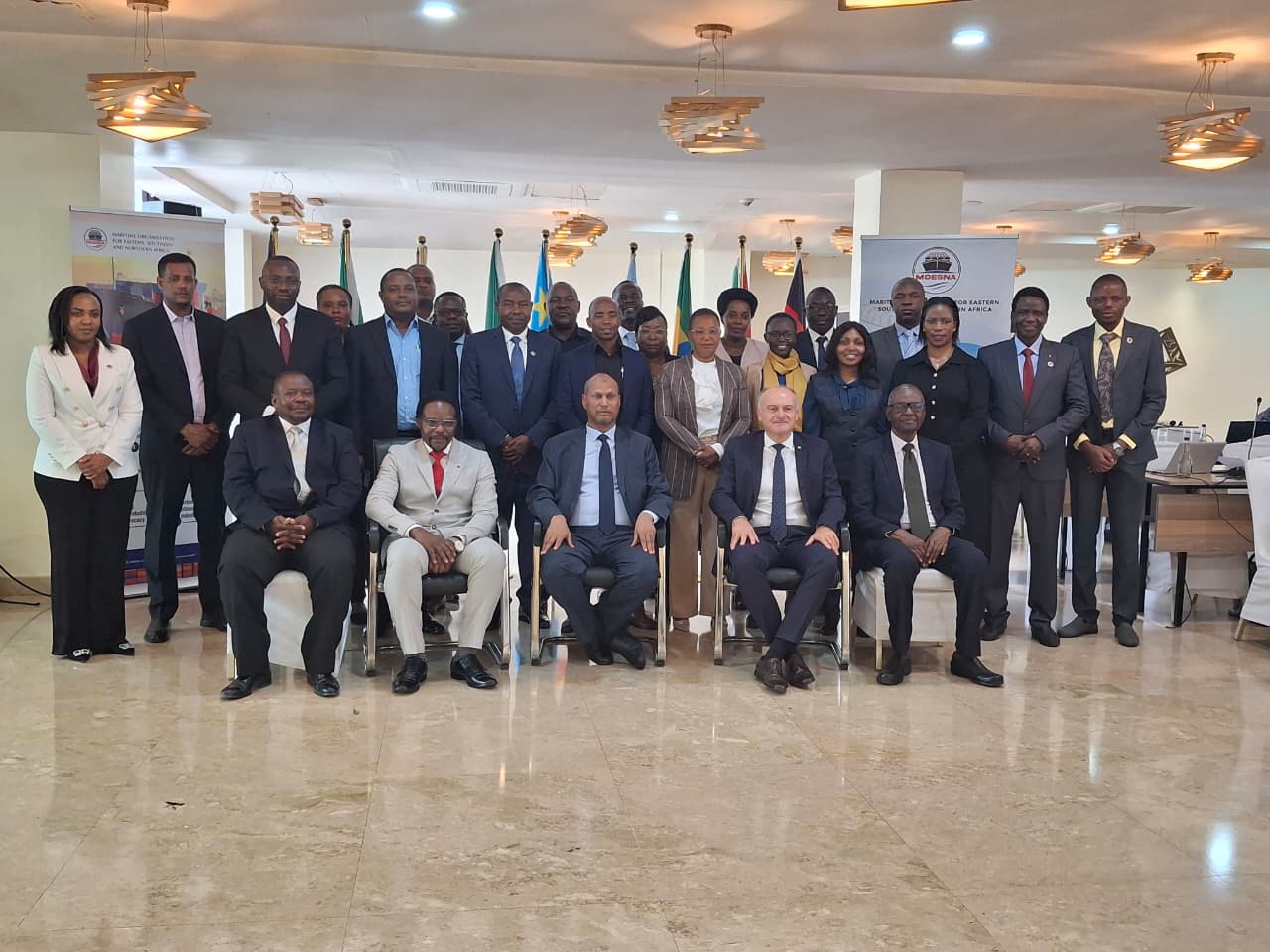
The Maritime Organisation for Eastern, Southern and Northern Africa (MOESNA) two day stakeholders's awareness workshop in Nairobi, focusing on the role of ship registries in advancing maritime transport across the continent.
By Aoma Keziah,
The Maritime Organisation for Eastern, Southern and Northern Africa (MOESNA) on Wednesday opened a two–day stakeholders’ awareness workshop in Nairobi focusing on the role of ship registries in advancing maritime transport across the continent.
The meeting, which runs from August 27 to 28, 2025, brings together policymakers, maritime administrations, and key industry players from MOESNA member states. The central theme is the importance of ship registration systems in boosting trade, enhancing safety and security at sea, and promoting environmental stewardship.
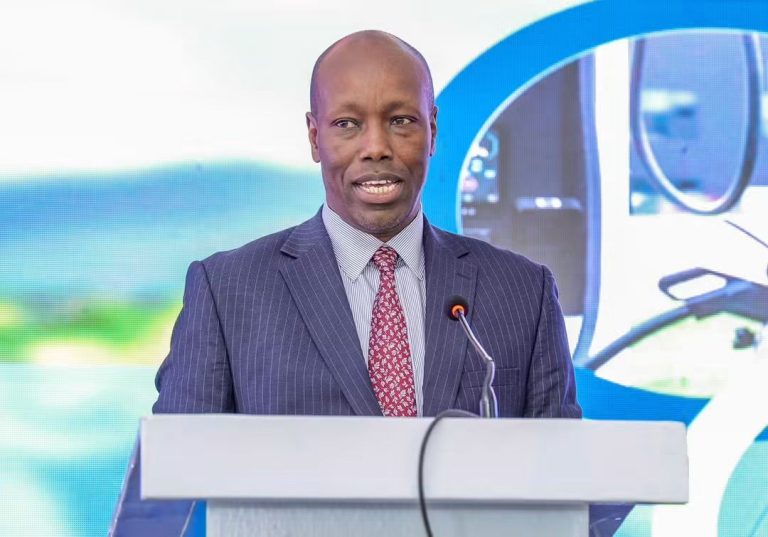
In his opening remarks Principal Secretary, State Department for Shipping and Maritime Affairs Mr. Aden Millah, noted that seaborne trade accounts for about 90 percent of global trade, carried by over 100,000 vessels as of January 2024, each flying different flags.
“ According to UNCTAD, by the end of 2023, 94 percent of the world’s merchant fleet deadweight was under just 35 registries, with the top ten registries accounting for 78 percent of global tonnage. The five leading registries Liberia, Panama, the Marshall Islands, and Malta, together with the Bahamas accounted for 54 percent of the world fleet deadweight. These figures underscore the immense economic value of ship registries, a value that our states can also share if we act decisively,” he stated.
Ps Millah further stated that while considerable attention is being given to infrastructure development in our coastal and inland ports as well as railways, equal attention must be directed toward the “soft side” of the maritime sector especially the services ancillary to shipping and maritime affairs. Economically.
“our states stand to lose greatly if we allow such opportunities in the shipping industry to pass us by. I am confident that developing and strengthening our national ship registries particularly through open international registries that attract ship owners globally can significantly reduce challenges such as limited sea time for our cadets across the region,” added the Principal Secretary.
According to the organisers, the workshop is expected to lead to several outcomes. These include a better understanding among member states of how well-managed registries can attract investment, create jobs, and raise revenue. Delegates are also set to develop policy recommendations that could guide governments in establishing or strengthening ship registries. A roadmap for building stronger systems at both national and regional levels is another anticipated result.
In addition, the forum aims to foster greater collaboration between agencies within each country and across the wider region. By sharing experiences and pooling expertise, MOESNA hopes to position African registries to compete more effectively at the international level while complying with global standards set by bodies such as the International Maritime Organization and the International Labor Organization.
The officials underscored the importance of reliable registries in unlocking the potential of Africa’s maritime sector. They noted that robust registration systems are not only vital for trade facilitation but also for creating sustainable growth opportunities for coastal and inland states alike.
“This workshop is about capacity building and creating awareness on some of the issues in the shipping and maritime sector. Some of the challenges that comes with, is these vessels flying flags that are not legally registered. Registry means that if a country gives you that flag, then you abide by the rules of that flag, and movement in international waters is governed by international laws. Therefore, every vessel is expected to abide by the laws of the global regulatory framework of shipping,” explained Mr. Kassim Mpaata MOESNA Secretary General
Discussions will cover the economic and developmental benefits of ship registries to flag states, as well as the challenges African countries face in managing them. Delegates are also expected to examine strategies for aligning regional practices with international benchmarks and ensuring that African registries are recognised and whitelisted globally.
The workshop is seen as a timely intervention at a moment when African nations are working to expand their participation in global shipping and maritime trade. By the close of the two day meeting, MOESNA expects to have a clear set of policy directions and collaborative strategies that will guide member states in building competitive, sustainable, and trusted ship registries.
Similar Posts by Aoma Keziah:
- Nationwide Youth Business Drive Enters Last Lap With New Nyota Trainings
- Green Light From Washington Sets G42 On Fast Track to Build Region’s Most Powerful AI Network
- Safina Eyes Kariobangi North Seat in Intensified Push Before Poll Day
- KEBS Opens Talks With Manufacturers On New Standards Levy Order 2025
- Kenya, Uganda And South Sudan Chart Way Forward On East Africa Rail Corridor
About the Author


 The Mt Kenya Times