Beyond the pulpit: Why Mudavadi wants the clergy to help heal the nation
 The Mt Kenya Times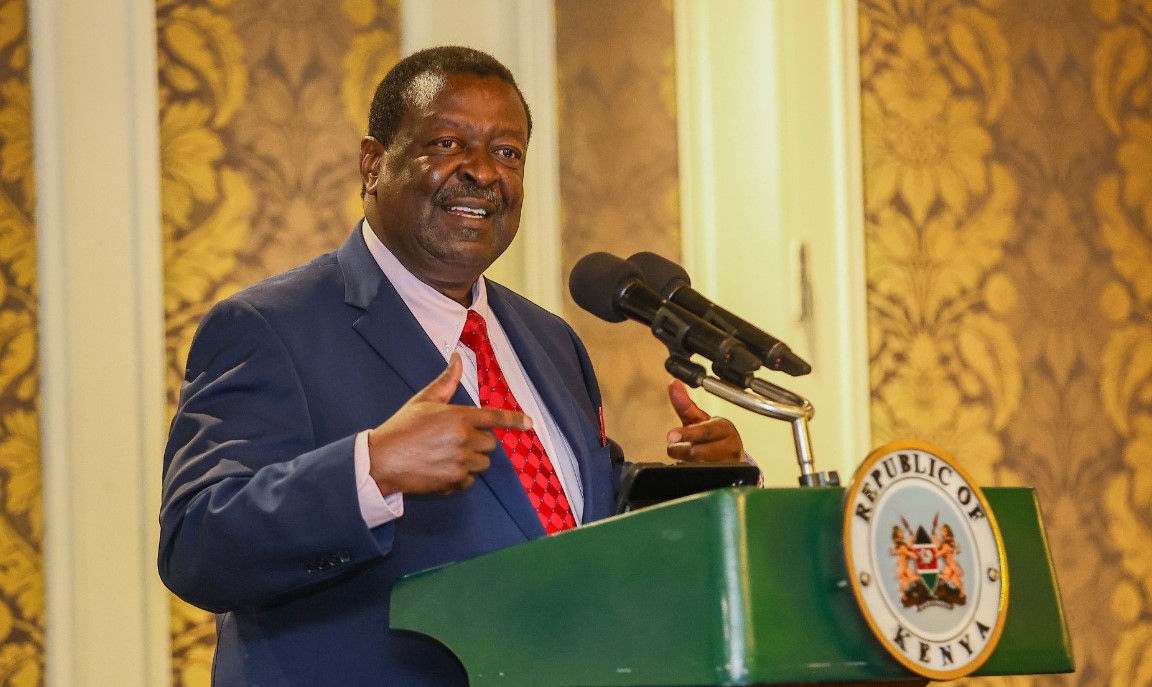
Prime Cabinet Secretary Musalia Mudavadi
As political tensions mount and economic frustration deepens, Kenya’s Prime Cabinet Secretary has issued a quiet but pointed appeal — and the church must now decide what it stands for.
By Hadassah Karangu
Prime Cabinet Secretary Musalia Mudavadi has called on Kenya’s clergy to take a more active role in guiding the nation through its current political tensions, economic hardship and deepening public frustration.
The appeal has landed at a sensitive moment. Kenya is a country searching — for stability, for honesty from its leaders, and for voices it can still trust. Mudavadi’s remarks have reopened one of the more enduring debates in the country’s civic life: what exactly do Kenyans have the right to expect from their religious leaders, and what does the church owe the nation beyond the Sunday sermon?
The church’s place in Kenyan society is neither new nor simple. Long before social media became the dominant arena of public discourse, citizens turned to religious leaders for guidance, comfort and moral clarity. Churches, mosques and other houses of worship have historically functioned as centres of community, peace and reflection — institutions that governments could not easily ignore and that ordinary people trusted instinctively. During the country’s most turbulent chapters, from the push for multiparty democracy in the early 1990s to the painful aftermath of the 2007 post-election violence, the clergy stepped forward. They mediated, they spoke, and in many instances they helped hold the country together.
That legacy is precisely what makes Mudavadi’s call resonate — and why it also attracts scrutiny.
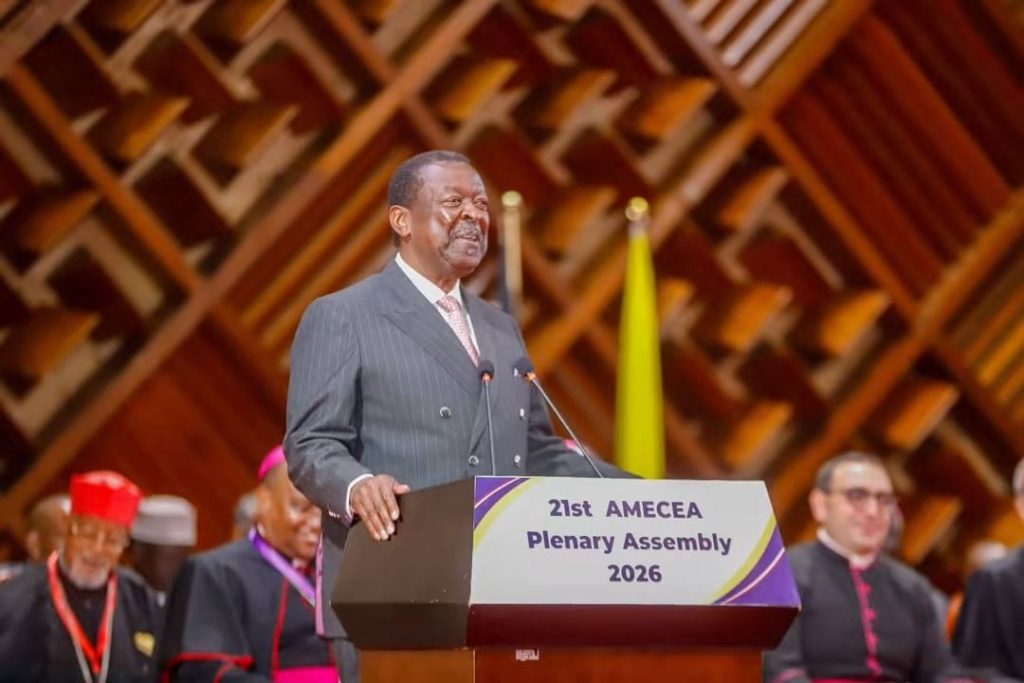
Supporters of his position point to something that is difficult to quantify but impossible to dismiss: the moral authority that many religious leaders command where politicians have long since forfeited theirs. A pastor in Murang’a, an imam in Mombasa, a bishop in Kisumu — these are people who sit with grieving families, counsel the unemployed, and hear the anxieties of ordinary citizens well before those anxieties become newspaper headlines or parliamentary motions. Their access to the lived reality of Kenyan life is unmatched. If that access translates into advocacy — for accountability, for integrity, for the basic dignity of the people they serve — then the clergy become something the country badly needs right now: a moral counterweight to a political class that has repeatedly disappointed.
But critics raise an uncomfortable question. Can the clergy be trusted to exercise that role independently? The history of the Kenyan church contains enough examples of pulpits being lent to political patrons to make the scepticism reasonable. When religious leaders appear at political rallies, offer blessings to the powerful, or remain conspicuously silent when those in power transgress, their credibility suffers. The church’s greatest institutional asset is its perceived independence. Once that is compromised, the trust that makes its voice valuable evaporates.
This is the tension at the heart of Mudavadi’s appeal. He is asking the clergy to engage — but engagement, handled carelessly, carries real risk. Many Kenyans hold a clear-eyed view of what they want from their religious leaders: not political alignment, but principled accountability. Not cheerleading for government, but speaking truth regardless of who governs. The clergy are expected to defend principles, not personalities. To champion justice, not factions.
That expectation has never been more consequential. Kenya remains a deeply religious nation — a fact that is sometimes underestimated by analysts but never by politicians, who understand precisely how much a word from the pulpit can move. A message of peace in a constituency gripped by tension can change the atmosphere of an entire community. A message of unity, delivered with conviction and without political colouring, can reach across divisions that policy documents cannot bridge. Equally, silence — particularly in the face of documented injustice — raises its own questions about whose side the church has quietly chosen.
Economic pressure sharpens all of this. Parents struggling to pay school fees, young graduates unable to find work, families absorbing the relentless cost of living — these are people who still walk into houses of worship looking for more than spiritual consolation. They are looking for someone who sees them, names what is happening to them, and refuses to pretend otherwise.
Nation-building has never been the exclusive business of government. It requires moral leadership, shared values and institutions willing to model the kind of society they profess to believe in.
The clergy cannot fix Kenya’s problems. But they can help shape the values with which Kenya faces them — and in a country this religious, that is no small thing.
Similar Posts by The Mt Kenya Times:
- Mt Kenya Times ePAPER October 22, 2026
- Ruto heads to Harare for COMESA summit on trade and regional security
- Mudavadi and Wetangula walk out as Sifuna speaks at Nabwera memorial
- Police accountability on trial as seven officers face probe over journalist’s arrest
- Learners, teachers graduate from thrive for good organic farming training
About the Author