The Mt Kenya Times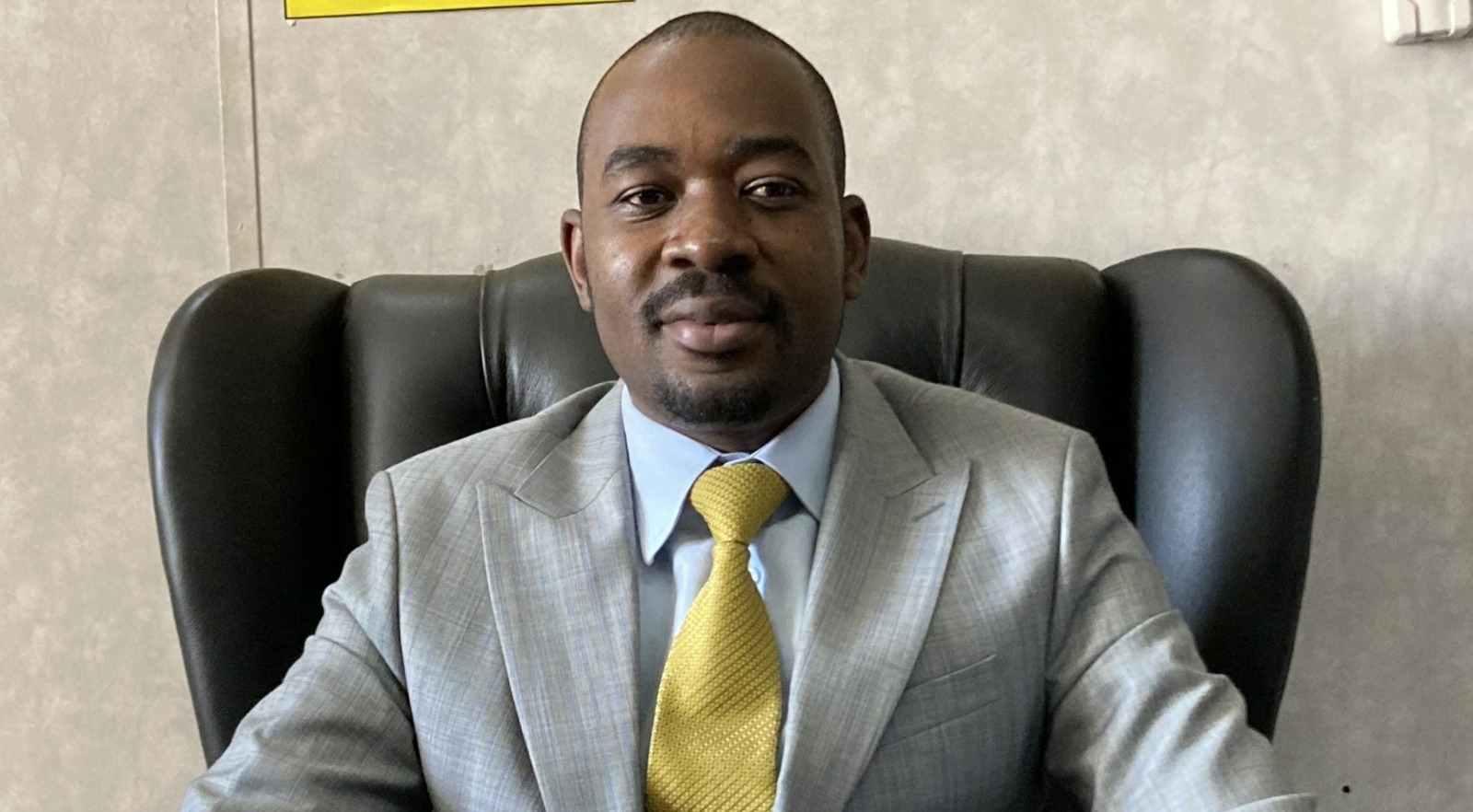
Zimbabwean opposition leader Mr. Nelson Chamisa
By: Norman Mwale
Zimbabwe has a long history of violence, from the liberation struggle to the present day. However, the recent spate of violent incidents, including state-sponsored attacks on opposition supporters, has sparked widespread concern and calls for accountability.
“The culture of impunity must end,” said Human Rights Watch researcher, Ms. Tiseke Kasambala. “The government must take concrete steps to investigate and prosecute those responsible for violence, regardless of their political affiliation.” The Zimbabwe Human Rights Commission (ZHRC) has documented numerous cases of violence perpetrated by state agents, including the military and police. “We have received reports of widespread violence and intimidation, particularly in rural areas,” said ZHRC Chairperson, Mr. Elphas Mukonoweshuro.
The lack of accountability is perpetuating a culture of violence, said opposition leader, Mr. Nelson Chamisa. “We need justice and reform, not just words of condemnation.” The Catholic Church has also weighed in, calling for an end to violence and impunity. “We must break the cycle of violence and build a culture of peace and respect for human rights,” said Archbishop Robert Ndzengu.
The international community has expressed concern, with the European Union calling for an independent investigation into human rights abuses. “The EU is committed to supporting Zimbabwe’s democratic transition, but this requires accountability for past abuses,” said EU Ambassador, Mr. Tim Turner. Zimbabwean civil society organisations are also pushing for change. “It’s time for the government to take responsibility for its actions,” said Ms. Abigail Majorekwa, Executive Director of the Zimbabwe Peace Project.
However, the government has a different perspective. “We are committed to maintaining law and order, and those who break the law will face consequences,” said Minister of Information, Mr. Jonathan Moyo. “The opposition is trying to destabilise the country, and we won’t allow it.”
The police also defended their actions. “We are doing our best to maintain order, but we need cooperation from all stakeholders,” said Police Spokesperson, Mr. Paul Nyathi.
As Zimbabwe looks to move forward, it’s clear that accountability is key. “We must acknowledge the past and take concrete steps to prevent future violence,” said Ms. Kasambala. “Only then can we truly break the cycle of violence.” The road to accountability will be long and difficult, but it’s a necessary step towards healing and reconciliation.
“We owe it to ourselves, our children, and future generations to create a Zimbabwe where violence is not tolerated,” said Archbishop Ndzengu. The question is, will the government listen?
Similar Posts by The Mt Kenya Times:
- Tax relief for Kenyans: Will more money in our pockets make life easier?
- Poisoned bottle: Are we drinking ourselves into early graves?
- How Kenya and South Africa constitutionalized concentration while preaching the gospel of the disadvantaged
- Discipline begins at home
- Onana escapes serious injury in three-car crash
About the Author