British Council Leads Education Dialogue on Inclusion and Belonging in Nairobi
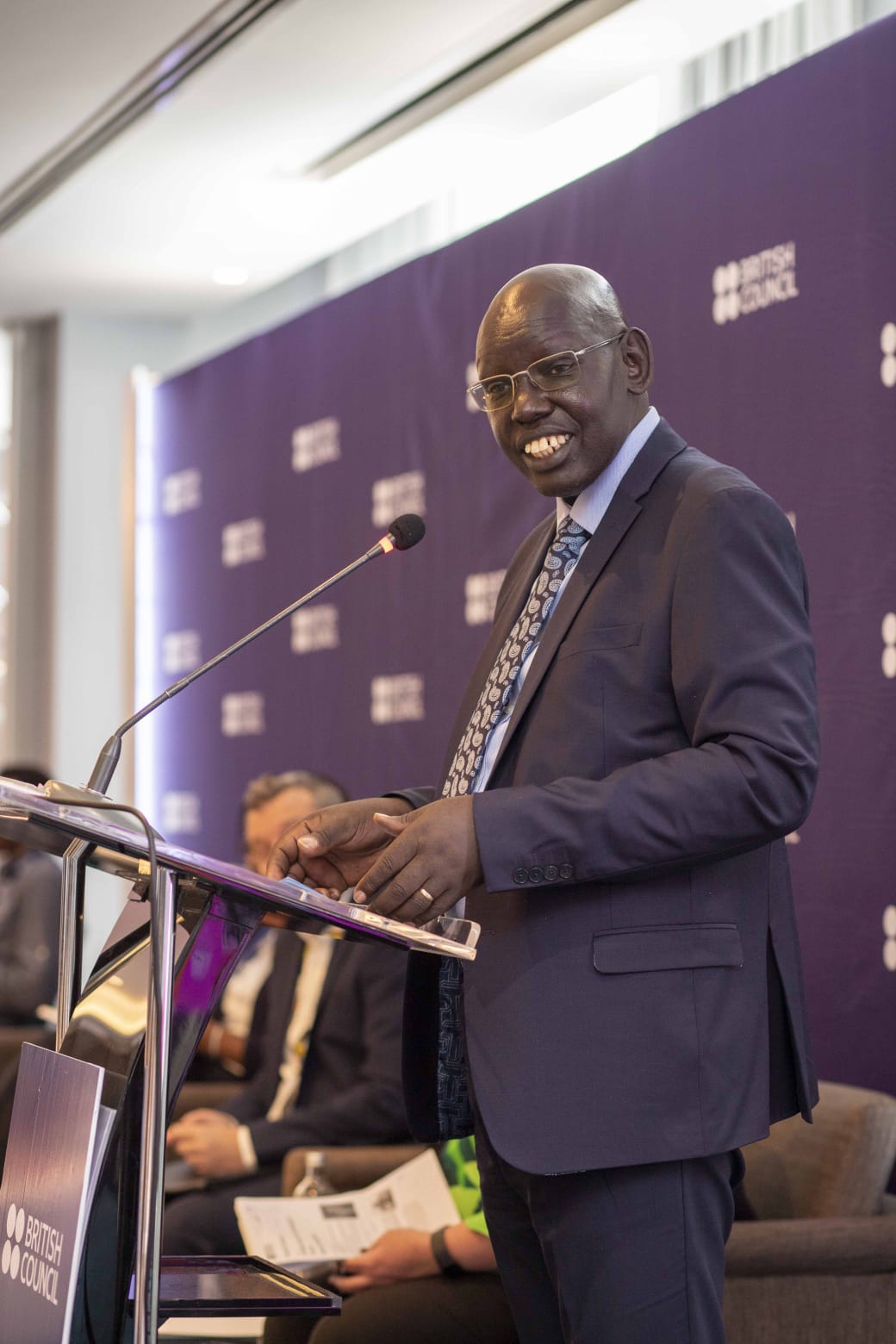
In picture, Dr. Belio Kipsang, Principal Secretary State Department for Basic Education, addressing participants during the British Council Education Dialogue on Inclusion and Belonging in Nairobi.
By Aoma Keziah

The British Council kicked off the Policy Dialogue Leading Inclusion and Belonging in Schools’ conference.
The three-day event aims at fostering inclusive education practices in schools across Kenya and beyond.
The conference, running from yesterday to tomorrow has brought together leading education policymakers, school leaders, and international experts to explore strategies for creating more inclusive school environments.
In his opening remarks, Chief Guest Dr. Belio Kipsang, Principal Secretary State Department for Basic Education, stated that Inclusive education is about giving every school going child the right and an opportunity to access quality and relevant education.
“It is estimated that there are about 240 million children with disabilities worldwide. These children have ambitions and dreams for their future and need quality education to develop their skills and realize their full potential. They face persistent barriers to education stemming from discrimination, stigma and the routine failure of decision makers to incorporate disability in school services. Evidence has shown that in most cases, a student’s sense of belonging improves academic outcomes, increases continuing enrolment, and is protective for mental health thus the need for us to create an environment in our learning institutions, that make the learners feel accepted and regarded,” noted Kipsang.
Tom Porter, Country Director British Council Kenya noted that The British Council is proud to host this dialogue, which is crucial for shaping education policies that ensure no child is left behind.
“By bringing together experts from different sectors, we aim to foster a collaborative approach to addressing challenges in education inclusion, particularly for pupils with disabilities and girls. Next year, in 2025, we’ll focus on learner and worker assessment, preparing them for new opportunities. Recently, we hosted a conference on language, which is something we will continue to explore over the next two days, particularly around the role of English in a multilingual world.” Remarked Porter
Key themes of the conference included the inclusion of pupils with special educational needs and disabilities (SEND), promoting gender equality with a focus on girls’ education, and addressing the role of language in education as both a barrier and an enabler of inclusion.
The event’s programme included keynote addresses, hands-on workshops, and facilitated discussions. The conference also facilitated the exchange of experiences and solutions among policymakers, leading to valuable insights into addressing inclusion challenges, the creation of international networks committed to fostering inclusive policies at both local and global levels and the dissemination of evidence-based approaches to building inclusive school systems, with a focus on sustainability and cultural sensitivity.
The event featured a rich program of presentations, workshops, and panel discussions, alongside site visits to select schools in Nairobi that are successfully implementing inclusive education strategies. These activities aim to provide participants with a platform to share best practices, learn from global experts, and explore innovative solutions for advancing inclusive education policies.
Throughout the conference, Participants will engage in hands-on workshops and interactive sessions over the next two days, delving deeper into the challenges and opportunities around inclusive education. They will also visit Nairobi schools that have been at the forefront of adopting inclusive practices, offering real-world examples of successful implementation.
The conference set the stage for continued dialogue and collaboration on the global push toward inclusive education, and is expected to yield actionable insights that will help reshape education policies to better support diverse learners and create an environment where every child feels a sense of belonging.
Similar Posts by Aoma Keziah:
- Nationwide Youth Business Drive Enters Last Lap With New Nyota Trainings
- Green Light From Washington Sets G42 On Fast Track to Build Region’s Most Powerful AI Network
- Safina Eyes Kariobangi North Seat in Intensified Push Before Poll Day
- KEBS Opens Talks With Manufacturers On New Standards Levy Order 2025
- Kenya, Uganda And South Sudan Chart Way Forward On East Africa Rail Corridor
About the Author

 The Mt Kenya Times