

By: Cynthia Masibo
A groundbreaking study released by the International Rescue Committee (IRC) Kenya has revealed that cash grants, when coupled with mentorship, can significantly improve economic outcomes for urban entrepreneursbut with notable disparities across gender and refugee status.
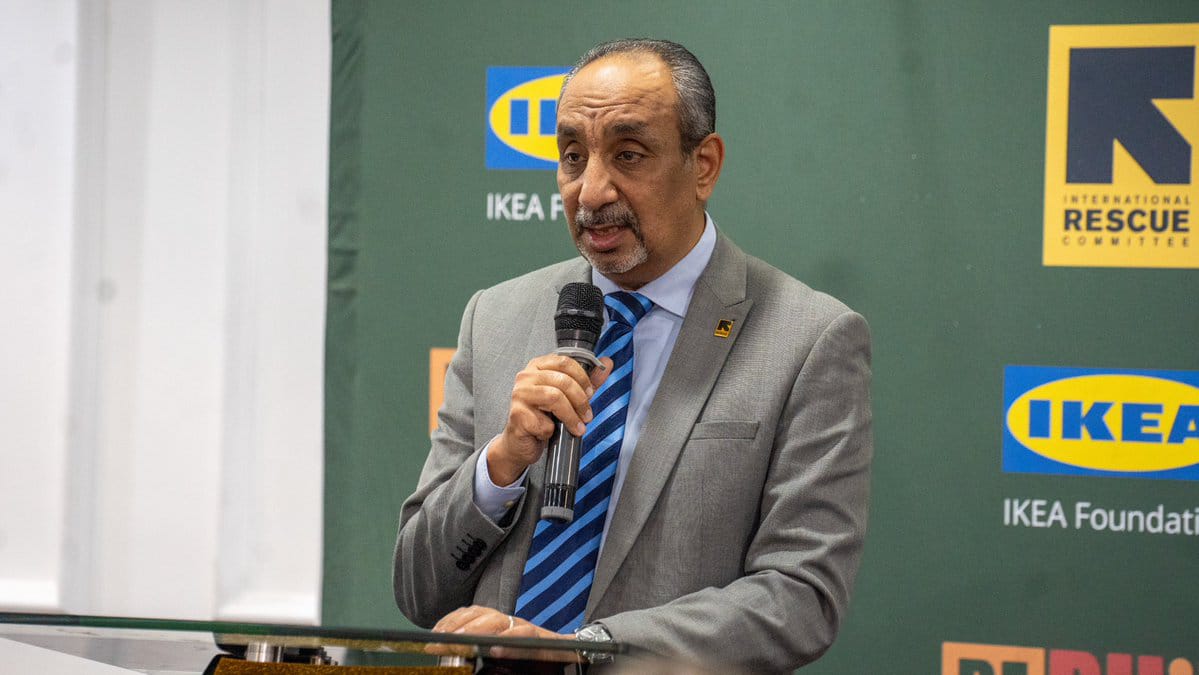
The study, unveiled during a high-profile event in Nairobi, evaluated the first wave of the Re:BUiLD program, a multi-year initiative designed to support both refugee and Kenyan micro-entrepreneurs in urban settings. The program, implemented by IRC Kenya in partnership with Princeton University and Georgetown University, is funded by the IKEA Foundation.
Dubbed Wave 1 of the Randomized Controlled Trial (RCT), the research measured the impact of providing cash grants with and without mentorship on business performance and household wellbeing among participating entrepreneurs. The findings are compelling: beneficiaries who received cash grants showed significant improvements in business ownership, profit margins, and overall household income. These gains were particularly strong among new entrepreneurs, who often face major hurdles when starting a business in Kenya’s competitive urban economy.
“When we talk about economic inclusion, this study gives us evidence that direct financial support works especially for those just entering the business space,” said an IRC Kenya representative during the launch event.
Adding mentorship to the cash grants package led to additional benefits, including enhanced mental wellbeing and improved economic stability. This effect was especially pronounced among Kenyan men, who reported better emotional resilience and business decision-making after receiving guidance from mentors.
However, the study also exposed systemic challenges, particularly for refugee women. Despite showing high levels of engagement in the program, this group saw minimal improvements in their economic outcomes. Experts say this underlines the structural and social barriers refugee women continue to face, such as limited access to networks, childcare responsibilities, and legal constraints in the labour market.
“These findings are both a celebration and a call to action,” said a lead researcher from Georgetown University. “They show that interventions like cash grants and mentorship can make a real difference but also that one-size-fits-all approaches won’t close persistent gender and displacement gaps.”
With urban areas like Nairobi increasingly hosting displaced populations, the Re:BUiLD program aims to create more inclusive, scalable models for economic resilience. IRC Kenya emphasized that the study’s evidence will directly inform program adjustments and policy recommendations, especially as governments and donors reconsider how to support both refugee and host communities in cities.
“This isn’t just about aid; it’s about building long-term economic systems that work for everyone,” said IRC Kenya. “We’re proud to contribute data-driven insights that shape better policies, not just in Kenya, but globally.”
As IRC Kenya prepares to expand the Re:BUiLD program, calls are growing for more targeted, gender-responsive strategies that address the unique barriers faced by refugee women. The organization says it will continue working closely with stakeholders to refine interventions that deliver inclusive and sustainable economic opportunity across urban Africa.
 Mt Kenya Times
  Jerameel Kevins Owuor Odhiambo