Celebrating The International Week Of The Deaf: A Call To Action For Inclusion And Advocacy

By: James Kilonzo Bwire
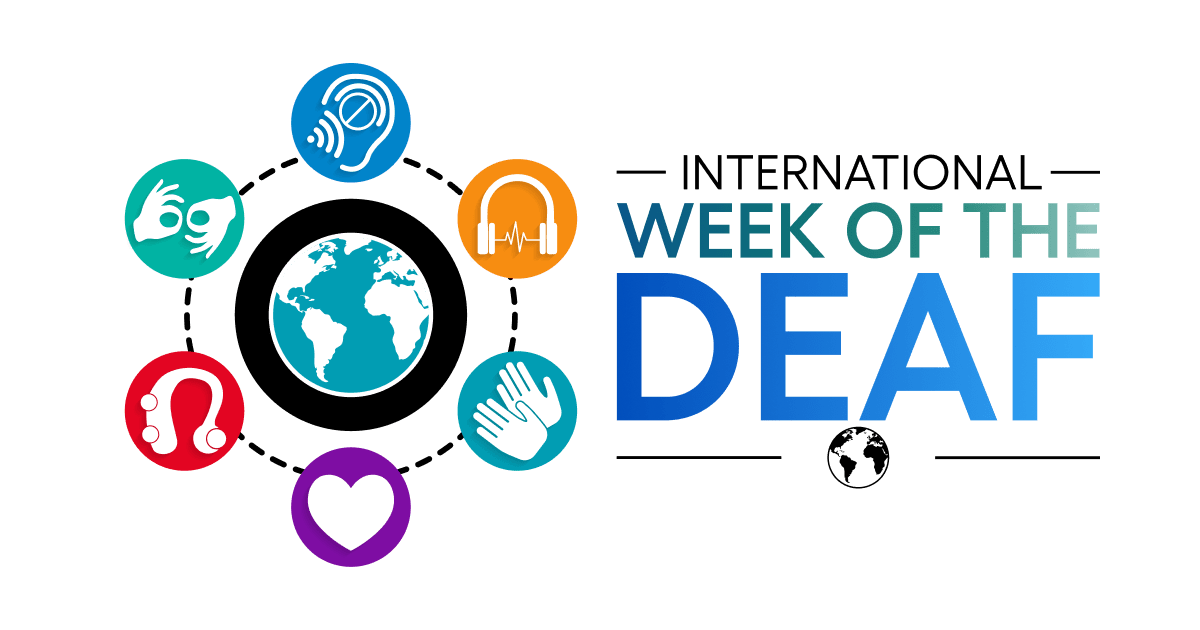
As the world observes the International Week of the Deaf, it is a crucial time to reflect on the rights, culture, and achievements of the deaf community. This annual event, celebrated during the last full week of September, not only highlights the challenges faced by over 70 million deaf individuals globally but also emphasizes the urgent need for greater inclusion and accessibility in society. With this year’s theme being “A World Where Deaf People Everywhere Can Sign Anywhere,” the focus is on ensuring that sign language is recognized and respected as a legitimate form of communication.
The Importance of Awareness and Advocacy
The International Week of the Deaf, also known as Deaf Awareness Week, was first launched in 1958 and has since evolved into a significant global event. The World Federation of the Deaf (WFD) encourages various activities and events during this week to promote the importance of sign languages and the human rights of deaf people. This initiative serves as a reminder that the fight for equal rights and recognition for the deaf community is ongoing and requires collective effort.
Advocacy is a vital component of this week. Many organizations use this time to push for policy changes that enhance the rights of deaf individuals. This includes advocating for better access to education, healthcare, and employment opportunities, as well as promoting the legal recognition of national sign languages. By amplifying their voices, the deaf community can effectively advocate for their rights and push for necessary changes in society.
Engaging with the Deaf Community
Throughout the week, various events are organized globally, including workshops, seminars, and community gatherings that focus on deaf culture and rights. These activities not only educate the public about the challenges faced by the deaf community but also celebrate their achievements and contributions to society.
For instance, many organizations encourage individuals to learn basic sign language, attend local deaf community events, and advocate for accessibility in public spaces. This collective effort is essential for fostering understanding and cooperation between the hearing and deaf communities. Engaging with the deaf community allows hearing individuals to gain insight into their experiences and challenges, fostering empathy and support.
The Role of Self-Advocacy
Self-advocacy is crucial for deaf individuals in navigating a society that often lacks access and accessibility. Many deaf and hard-of-hearing individuals encounter situations where they are denied access to necessary accommodations, such as sign language interpreters or assistive listening devices. Being informed about their rights empowers them to express and defend their needs effectively.
Organizations like the National Association of the Deaf (NAD) provide resources and support for deaf individuals to understand their rights under disability laws, such as the Americans with Disabilities Act (ADA). These resources help individuals navigate challenges and advocate for necessary accommodations in various settings, including schools, workplaces, and healthcare facilities.
Building a More Inclusive Society
The International Week of the Deaf serves as a powerful movement aimed at promoting awareness, inclusion, and respect for the deaf community. As we observe this week, it is crucial to remember that the fight for equal rights and recognition continues. By participating in events, advocating for policy changes, and learning about deaf culture, we can all contribute to creating a more inclusive world where deaf individuals can thrive and communicate freely.
This year’s theme emphasizes the necessity for sign language to be recognized as a legitimate form of communication. It serves as a call to action for governments, organizations, and individuals to create a society that accepts and celebrates sign language. By fostering an environment where deaf individuals can use their language freely and without barriers, we can work towards a more equitable society.
Celebrating Deaf Culture and History
During this week, it is also essential to celebrate the rich history and culture of the deaf community. Deaf culture is vibrant and diverse, encompassing unique traditions, art forms, and social practices that have developed over centuries. Events that showcase deaf artists, storytellers, and performers can help raise awareness about the cultural contributions of the deaf community.
For example, storytelling in sign language is a powerful medium that conveys not only narratives but also cultural values and shared experiences. Workshops that teach the history of deaf education, the evolution of sign languages, and the contributions of prominent deaf figures can foster a deeper understanding of the community’s heritage.
The Intersectionality of Deaf Advocacy
The theme of intersectionality is increasingly relevant in discussions about deaf advocacy. Deaf individuals often belong to multiple marginalized groups, and their experiences can be shaped by factors such as gender, race, socioeconomic status, and sexuality. Recognizing the diverse identities within the deaf community is essential for creating inclusive advocacy efforts.
For instance, deaf women and people of color within the deaf community may face compounded discrimination, making it vital to address their specific needs and challenges. Advocacy efforts should aim to uplift all voices within the community, ensuring that everyone has a seat at the table and that their unique experiences are acknowledged.
Conclusion: A Collective Responsibility
The International Week of the Deaf is not just a celebration; it is a reminder of our collective responsibility to advocate for the rights of deaf individuals and to promote inclusivity in all aspects of life. As we engage with the deaf community, let us take this opportunity to learn from their experiences and work together to ensure that sign language and the rights of deaf individuals are recognized and celebrated everywhere.
By fostering collaboration between state agencies, local communities, and civil society, we can move toward a more equitable and efficient system that prioritizes the rights of all citizens. Let us commit to being allies in this journey, advocating for change, and ensuring that the voices of the deaf community are heard loud and clear. Together, we can create a world where everyone, regardless of their hearing ability, can communicate, participate, and thrive.
James Kilonzo Bwire is a Media and Communication practitioner.
Similar Posts by The Mt Kenya Times:
- Mt Kenya Times ePAPER September 15, 2026
- Court ruling clips Kenyatta’s wings at the worst possible moment
- Ruto takes the sponsor war to Nyanza — and finds a warmer welcome than his opponents expected
- Kisumu water project lays foundation for dignified urban growth
- The months ahead offer Kenya a golden opportunity to grow tourism
About the Author