The Mt Kenya Times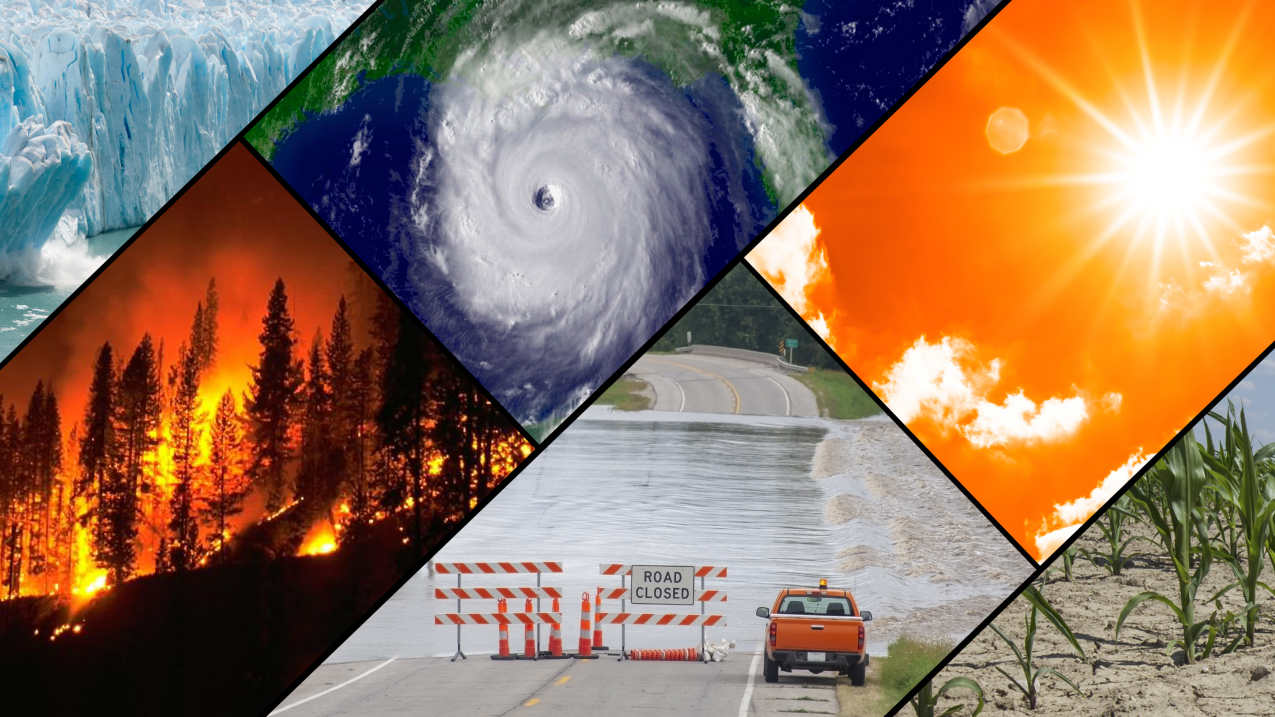
Climate change
By: Midmark Onsongo
Worth Noting:
- Energy efficiency measures can help reduce energy consumption and greenhouse gas emissions. This includes improving the energy efficiency of buildings, appliances, and transportation systems. Kenya can implement policies and incentives to encourage energy efficiency, such as energy efficiency standards and labeling programs.
- Forests play a vital role in mitigating climate change by absorbing carbon dioxide from the atmosphere. Kenya can protect its existing forests and promote reforestation to enhance carbon sequestration and biodiversity. Additionally, Kenya can implement sustainable forest management practices to reduce deforestation and forest degradation.
- Agriculture is a major sector of Kenya’s economy, but it is also vulnerable to climate change. By adopting climate-smart agricultural practices, Kenya can increase agricultural productivity and resilience.
Kenya, like many African nations, is increasingly vulnerable to the impacts of climate change. Rising temperatures, erratic rainfall patterns, and extreme weather events pose significant threats to its economy, environment, and society. To address these challenges, Kenya must adopt a multidisciplinary approach to sustainable development.
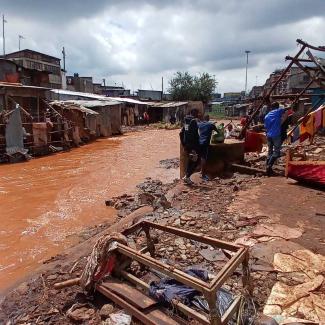
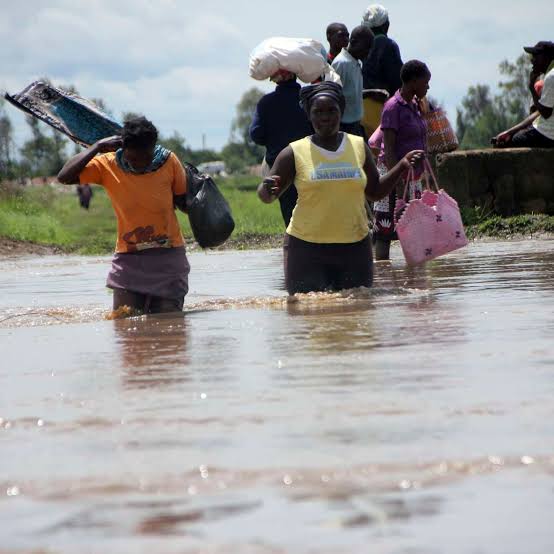
Climate change, primarily caused by human activities, has far-reaching impacts on Kenya. These include increased frequency and intensity of extreme weather events, rising sea levels, changes in agricultural productivity, and water scarcity. To effectively address climate change and achieve sustainable development, Kenya must integrate knowledge and expertise from various fields, such as climate science, agriculture, energy, water resources management, forestry, public health, economics, and social sciences. Key strategies for sustainable development in Kenya include strengthening climate change adaptation, promoting renewable energy, improving energy efficiency, protecting and restoring forests, promoting sustainable agriculture, improving water resource management, strengthening climate change governance, and building climate resilience.
Kenya can enhance its resilience to climate change by investing in early warning systems, disaster preparedness, and climate-resilient infrastructure. This includes building flood defenses, drought-resistant crops, and resilient water supply systems. Additionally, Kenya can promote community-based adaptation strategies, such as climate-smart agriculture and disaster risk reduction plans.
Transitioning to renewable energy sources is crucial for mitigating climate change and ensuring energy security. Kenya has significant renewable energy potential, including solar, wind, geothermal, and hydropower. By investing in renewable energy projects and promoting energy efficiency, Kenya can reduce its reliance on fossil fuels and reduce greenhouse gas emissions.
Energy efficiency measures can help reduce energy consumption and greenhouse gas emissions. This includes improving the energy efficiency of buildings, appliances, and transportation systems. Kenya can implement policies and incentives to encourage energy efficiency, such as energy efficiency standards and labeling programs.
Forests play a vital role in mitigating climate change by absorbing carbon dioxide from the atmosphere. Kenya can protect its existing forests and promote reforestation to enhance carbon sequestration and biodiversity. Additionally, Kenya can implement sustainable forest management practices to reduce deforestation and forest degradation.
Agriculture is a major sector of Kenya’s economy, but it is also vulnerable to climate change. By adopting climate-smart agricultural practices, Kenya can increase agricultural productivity and resilience. This includes promoting agroforestry, conservation agriculture, and water harvesting techniques. Additionally, Kenya can invest in agricultural research and development to develop climate-resilient crop varieties.Water scarcity is a major challenge in Kenya, particularly during dry seasons. By improving water resource management, Kenya can ensure equitable access to water and promote sustainable water use. This includes investing in water infrastructure, promoting efficient water use, and managing water resources sustainably.
Effective climate change governance is essential for implementing policies and measures to address climate change. Kenya can strengthen its climate change governance by developing comprehensive climate change policies, establishing institutions to coordinate climate change efforts, and promoting public participation in climate change decision-making. Building climate resilience involves empowering communities to adapt to climate change and promoting climate justice. Kenya can support community-based initiatives to enhance climate resilience, such as climate change education and training programs. Additionally, Kenya can promote climate justice by ensuring that the most vulnerable communities have access to resources and support to adapt to climate change.
By adopting a multidisciplinary approach and implementing these strategies, Kenya can build a more resilient, sustainable, and equitable future for its people and environment.
To effectively address climate change and achieve sustainable development, Kenya must implement a comprehensive strategy that integrates adaptation and mitigation measures. Adaptation involves adjusting to the impacts of climate change, while mitigation aims to reduce greenhouse gas emissions. Kenya can enhance its resilience to climate change by investing in early warning systems, disaster preparedness, and climate-resilient infrastructure. This includes building flood defenses, drought-resistant crops, and resilient water supply systems. Additionally, Kenya can promote community-based adaptation strategies, such as climate-smart agriculture and disaster risk reduction plans. Kenya can reduce its greenhouse gas emissions by transitioning to renewable energy sources, improving energy efficiency, protecting and restoring forests, promoting sustainable agriculture, and improving water resource management. By implementing these measures, Kenya can contribute to global efforts to mitigate climate change and limit global warming.
The Kenya Climate Change Initiative (KCCI) is a government-led program that aims to address the impacts of climate change in Kenya. The KCCI focuses on three key areas: adaptation, mitigation, and capacity building.
Adaptation:** The KCCI supports adaptation measures, such as climate-smart agriculture, water conservation, and disaster risk reduction.
Mitigation:** The KCCI promotes renewable energy, energy efficiency, and sustainable land use practices.
Capacity building:** The KCCI builds the capacity of government agencies, civil society organizations, and communities to address climate change.
The KCCI has achieved significant progress in addressing climate change in Kenya. For example, the KCCI has supported the development of renewable energy projects, promoted sustainable agriculture, and enhanced climate change awareness. Despite the progress made by the KCCI, Kenya faces several challenges in addressing climate change. These challenges include limited resources, lack of awareness, and institutional constraints. However, Kenya also has significant opportunities to address climate change. These opportunities include its abundant renewable energy resources, its growing economy, and its commitment to sustainable development.
Addressing climate change is a complex and urgent challenge for Kenya. By implementing a comprehensive strategy that integrates adaptation and mitigation measures, Kenya can build a more resilient, sustainable, and equitable future for its people and environment. The Kenya Climate Change Initiative is a valuable tool for addressing climate change in Kenya, but it is essential to address the challenges and seize the opportunities that exist.
This article was scripted by;
MIDMARK ONSONGO
(Sustainable economist, Geopolitics strategizer)
Similar Posts by The Mt Kenya Times:
- AI Curse or boon: The Future of Intelligence: Artificial or Emotional?
- Dr. Ekrah Ndung’u wins TVET advocacy award after 12 years
- Mt Kenya Times ePAPER October 17-18, 2026
- Ruto bets billions on Kerio Valley — with one eye on 2027
- Ruto’s health ministry kills Murang’a’s digital hospitals
About the Author