
Climate Change Profiteers As Some Exploit Kenya’s Crisis For Personal Gain
 The Mt Kenya Times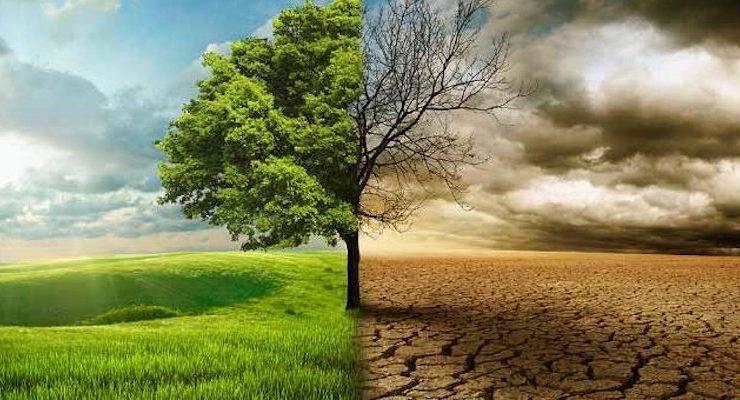
As the planet warms, a hidden elite thrives while the vulnerable suffer the consequences
By: Midmark Onsongo
Worth Noting:
- Look no further than President Uhuru Kenyatta’s “Big Four Agenda,” launched in 2018 with promises to boost food security and sustainable agriculture. Instead, this initiative has become a playground for corporate giants like East African Breweries Limited, which diverts essential water resources from local communities to quench its insatiable thirst for profit. The irony is staggering: while corporations parade their green initiatives, farmers labor in parched fields, abandoned by a system that prioritizes profit over people.
- Let’s not forget the foreign powers lurking in the shadows, masquerading as benevolent partners while exploiting Kenya’s rich natural resources. In 2023, a consortium of foreign firms struck a deal with the Kenyan government to exploit geothermal energy in the Great Rift Valley.
Do we live in a country or merely a stage for the world’s greatest show? Where, once upon a time, the tales of heroes and villains played out on the screen of our lives, the true drama unfolds in the shadows. Gone are the days of blind ignorance; we stand on the precipice of an ecological catastrophe, and yet, amidst the chaos, a cadre of climate change profiteers emerges, feasting on the suffering of the very people they claim to help. While ordinary Kenyans battle droughts, floods, and erratic weather patterns, these shadowy figures operate with impunity, turning the environmental crisis into a lucrative cash cow.
The stark reality we face is not just a series of unfortunate events, but a well-orchestrated scheme that siphons resources away from those who need them most. The National Drought Management Authority’s 2021 report revealed that over 2.1 million Kenyans teetered on the brink of starvation due to the devastating drought. But while the people struggle, corporations and NGOs disguised as saviors flock to the scene like vultures, eager to capitalize on the despair. The rhetoric of sustainability fills the air, but their true intentions lie buried beneath layers of deceit and exploitation. Take, for instance, the Green Belt Movement, a noble initiative founded by the late Wangari Maathai, which aimed to restore Kenya’s forests. However, by 2019, a report from the Kenya Environmental Action Network unveiled a disturbing truth: funds designated for reforestation vanished into the coffers of organizations that paid mere lip service to environmental protection. Rather than nurturing the land, these organizations profited off its decay, their leaders accumulating wealth while the forests fell silent, victims of an insatiable greed.
Look no further than President Uhuru Kenyatta’s “Big Four Agenda,” launched in 2018 with promises to boost food security and sustainable agriculture. Instead, this initiative has become a playground for corporate giants like East African Breweries Limited, which diverts essential water resources from local communities to quench its insatiable thirst for profit. The irony is staggering: while corporations parade their green initiatives, farmers labor in parched fields, abandoned by a system that prioritizes profit over people.
Let’s not forget the foreign powers lurking in the shadows, masquerading as benevolent partners while exploiting Kenya’s rich natural resources. In 2023, a consortium of foreign firms struck a deal with the Kenyan government to exploit geothermal energy in the Great Rift Valley. They heralded it as a “green energy revolution,” but the reality is far grimmer: local communities face displacement, and the only ones truly benefiting are investors cashing in on the country’s renewable resources. Who gains from this arrangement? Certainly not the residents who stand to lose their homes; it’s the shareholders who sit comfortably in boardrooms, counting their profits. The emergence of carbon credits has birthed a new form of exploitation. Companies like M-Pesa have entered the carbon offset market, presenting themselves as champions of environmental justice. However, beneath the surface lies a chilling reality: communities that once thrived find their lands seized for carbon credit schemes, all while elites wrap their greed in the guise of sustainability. What was once a genuine call for climate justice now serves as a convenient shield for land grabbing, pushing traditional landowners into the margins.
This narrative is riddled with dissonance. As the wealthy profit, everyday Kenyans face the harsh realities of climate change. Soaring food prices, ravaged agriculture, and increasingly severe weather patterns compound the struggles of farmers striving to make ends meet. The hands that once tilled the soil are now shackled by debt, helplessly witnessing the institutions that should protect them contribute to their downfall. Yet, the Kenyan government’s response is often cloaked in hypocrisy. The establishment of the Kenya Climate Change Council in 2022 initially ignited hope, but scrutiny revealed it as a potential bureaucratic facade. Will it genuinely combat climate change, or simply perpetuate the cycle of exploitation? Without stringent regulations and transparency, we risk allowing the same corrupt systems to persist, leaving climate profiteers free to operate unchallenged.
Amidst this darkness, a flicker of hope ignites. Grassroots movements, civil society organizations, and engaged citizens refuse to yield to despair. Armed with knowledge and passion, activists rally for accountability against those who exploit our climate crisis. The youth of Kenya, in particular, awaken to this reality, harnessing social media as a platform to organize and challenge the status quo. Movements like Fridays for Future are more than hashtags; they are clarion calls for justice in a landscape scarred by greed. As we navigate this treacherous terrain, we must confront the uncomfortable truth that the fight against climate change is also a fight against exploitation. It is imperative that Kenyans unite, transcending ethnic divides to forge a collective front against the forces that profit from our suffering. It’s time to reject the notion that our identities are solely defined by tribal affiliations and embrace our shared humanity as Kenyans.
The road ahead is fraught with challenges, but history shows that collective action can dismantle entrenched systems of oppression. The stakes have never been higher, and our survival hinges on our willingness to confront the climate change profiteers who thrive on our misfortunes. Let’s remember that our democracy is not solely about elections but also about protecting our environment. The struggle for justice and equality must encompass our natural resources, ensuring they are preserved for future generations. Together, we can reclaim our narrative, transforming the story of Kenya’s climate crisis into one of resilience and unity, not exploitation. As we confront the challenges of climate change, we must do so with determination, armed with the understanding that our voices matter. The era of climate change profiteering must come to an end, replaced by a commitment to sustainability that uplifts every Kenyan. In this collective endeavor, we can forge a future where our resources are protected, our environment cherished, and our democracy fortified against the tides of exploitation. The moment to act is now, for our future hangs in the balance. Together, we can rise from the ashes of exploitation and reshape the narrative of our climate crisis into one of hope and genuine progress. It is time to reclaim our agency and hold accountable those who have turned our suffering into their profit. The fight for our environment and our rights has just begun.
This article was scripted by;
MIDMARK ONSONGO, SGS
(Socio-Geographic Scholar)
Similar Posts by The Mt Kenya Times:
- Mt Kenya Times ePAPER September 17, 2026
- Ruto and Uhuru: The rupture at the heart of Kenya’s 2027 election
- Gakoromone traders and rights group demand closure of sewage discharge
- Retirement is not disenfranchisement: Reclaiming the constitutional rights of Kenya’s former presidents
- Kenya’s 2027 election: Can technology strengthen democracy or manipulate voters?
About the Author



 Brenda Holo