Combating Misinformation: A Critical Global Trend In Media And Information Literacy

By: Daisy Moraa
Worth Noting:
- The goal is to empower citizens of all ages to become informed consumers and producers of information. For instance, UNESCO’s Global MIL Week highlights the importance of media literacy in countering the spread of false information, promoting critical engagement with media, and fostering media ethics.
- The fight against misinformation has also prompted the development of fact-checking initiatives. Platforms like PolitiFact, Africa Check, and FactCheck.org verify news stories and public statements, helping audiences distinguish facts from fiction. Social media companies, including Meta, X (formerly Twitter), and YouTube, have introduced fact-checking labels and content moderation policies to reduce the spread of false information.
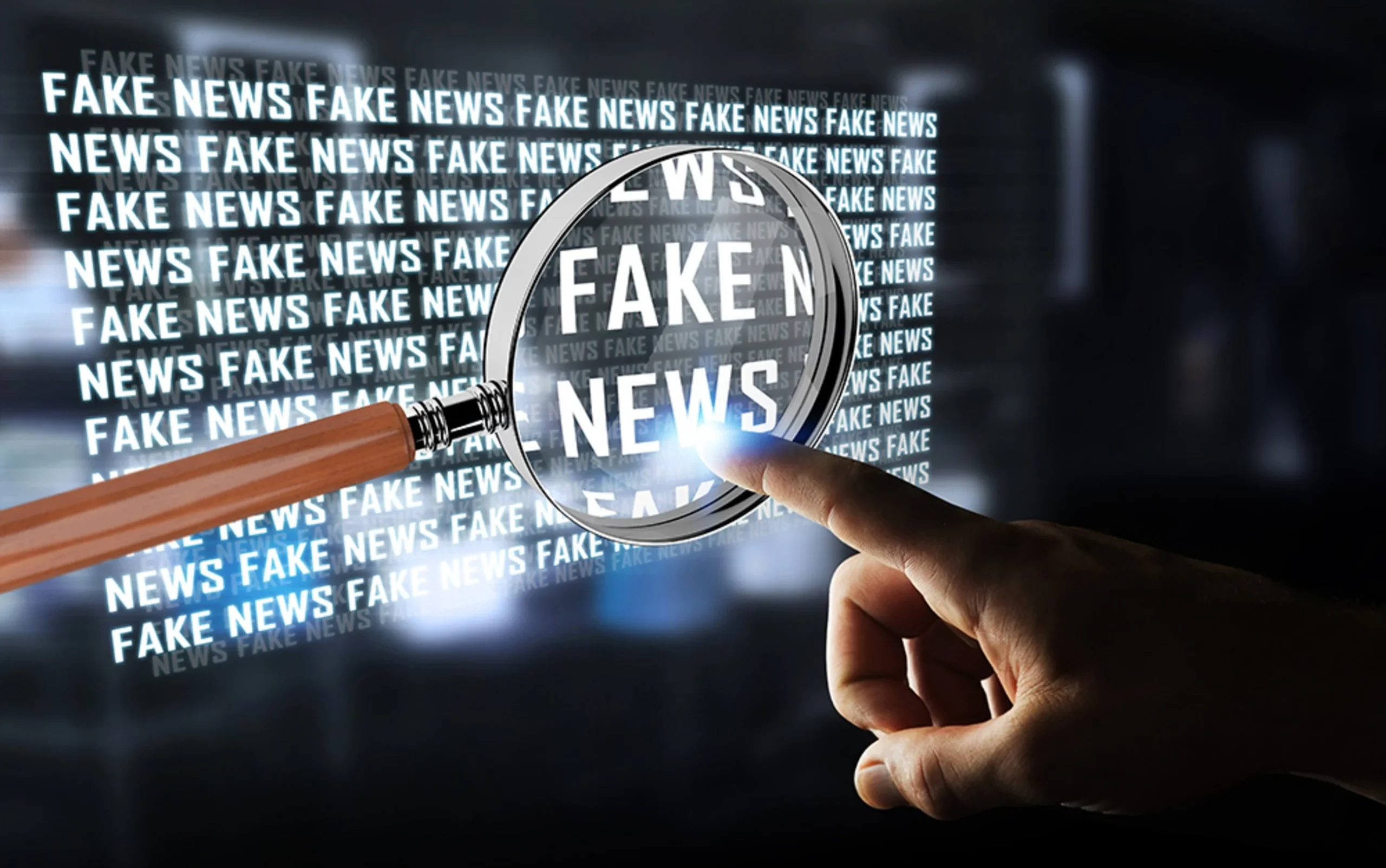
In today’s interconnected world, misinformation poses a significant threat to societies. False information spreads quickly through digital platforms, influencing public opinion, undermining trust in institutions, and even endangering lives. As the media landscape continues to evolve, Media and Information Literacy (MIL) has become crucial for equipping individuals with the skills needed to identify, analyze, and counter misinformation. Governments, educators, and civil society are increasingly focusing on MIL as a response to this growing challenge.
The spread of misinformation has accelerated with the rise of social media platforms and instant messaging applications. Unlike traditional media channels, digital platforms enable anyone to create and disseminate content without verification processes. Clickbait, rumors, and false narratives often travel faster than factual information, capitalizing on emotions and sensationalism. The COVID-19 pandemic illustrated the dangers of misinformation. From false cures to vaccine conspiracy theories, misinformation had real-world consequences, fueling fear, confusion, and distrust in public health systems. Similar challenges arise during elections, where disinformation campaigns manipulate voters, polarize societies, and erode democratic values.
Media and Information Literacy has emerged as a powerful tool to combat misinformation. MIL promotes critical thinking, fact-checking skills, and responsible media consumption, helping individuals evaluate the reliability of the information they encounter. Educating people to verify sources, distinguish between facts and opinions, and understand media biases is crucial in today’s digital environment. Governments, organizations, and educational institutions worldwide are integrating MIL into school curricula and public campaigns.
The goal is to empower citizens of all ages to become informed consumers and producers of information. For instance, UNESCO’s Global MIL Week highlights the importance of media literacy in countering the spread of false information, promoting critical engagement with media, and fostering media ethics.
The fight against misinformation has also prompted the development of fact-checking initiatives. Platforms like PolitiFact, Africa Check, and FactCheck.org verify news stories and public statements, helping audiences distinguish facts from fiction. Social media companies, including Meta, X (formerly Twitter), and YouTube, have introduced fact-checking labels and content moderation policies to reduce the spread of false information.
However, these efforts are not foolproof, as algorithms sometimes fail to catch misinformation or inadvertently limit freedom of expression. Collaboration between governments, media outlets, and technology companies is essential for combating misinformation. Policymakers are working to regulate online content, while media organizations are adopting transparent practices to restore public trust. Simultaneously, civil society groups are conducting awareness campaigns to educate communities on the dangers of misinformation and the importance of verifying information before sharing it.
AI-driven technologies are playing an increasingly important role in identifying and combating misinformation. Machine learning algorithms can detect patterns associated with false information, flagging suspicious content for review. Additionally, chatbots and browser plugins provide users with fact-checks in real-time, improving their ability to assess information on the spot. However, AI tools are not without challenges. Sophisticated techniques like deepfakes—AI-generated media that convincingly imitates real people—make it harder to distinguish between genuine and manipulated content. As these technologies evolve, MIL becomes even more critical in teaching individuals how to identify signs of manipulation and understand the limitations of AI systems.
While progress is being made, the fight against misinformation faces challenges. Language barriers, resource constraints, and limited access to digital tools hinder MIL efforts in some regions. In addition, balancing content moderation with freedom of expression remains a contentious issue. Over-regulation may lead to censorship, while under-regulation leaves space for harmful content to proliferate. The way forward lies in integrating MIL at all levels of education and raising public awareness. Governments should allocate resources to ensure that media literacy programs reach underserved communities. Media companies and tech platforms must strengthen their content policies while promoting transparency in their algorithms and operations.
Combating misinformation is an essential part of Media and Information Literacy in the digital age. As false information continues to spread, the ability to critically evaluate media content is becoming a necessary life skill. MIL equips individuals to make informed decisions, resist manipulation, and contribute to meaningful public discourse. Through collaborative efforts between governments, educational institutions, media organizations, and technology companies, societies can build resilience against misinformation. By promoting critical thinking and responsible media engagement, MIL lays the foundation for an informed and empowered global citizenry capable of navigating the complexities of the digital information landscape.
Daisy Moraa
Communication Student,
Rongo University.
Similar Posts by The Mt Kenya Times:
- Why James 3:1 prescribes the harshest judgment for teachers
- City stay perfect as late Cunha goal saves United
- Passaris joins walk for dignity: Nairobi representative backs campaign for incontinence support
- Diaspora Times Global Sep 19 – Sep 25, 2026
- Tibet’s glacial catastrophe: Behind Beijing’s wall of silence, a climate disaster reshapes a region
About the Author