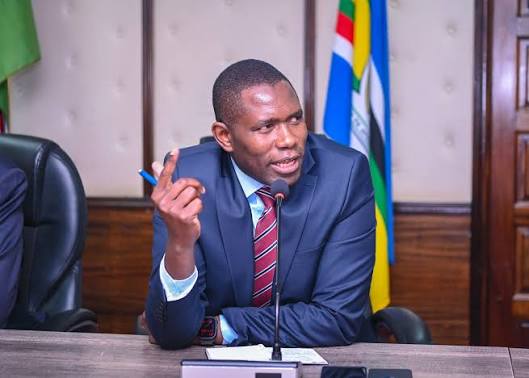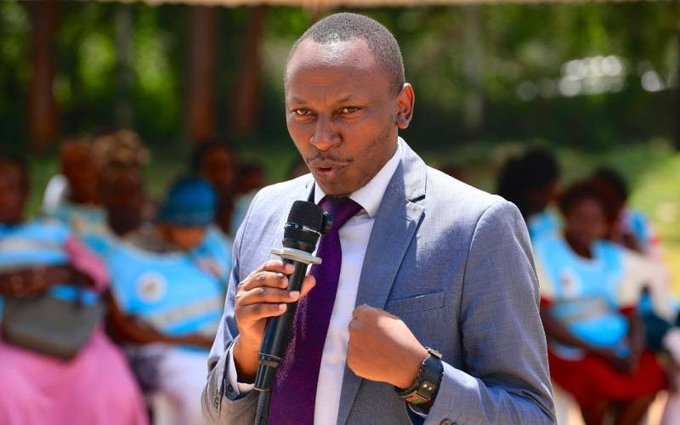
Murang’a Deputy Governor Stephen Munania
Munania says the national government is committing counties to costs they cannot legally absorb
By Grace Wanja
Murang’a Deputy Governor Stephen Munania yesterday accused the national government of negotiating health worker agreements and leaving county governments to meet the financial consequences without the resources or legal authority to do so.
Speaking on Spice FM, Munania said the structural flaw lay at the heart of devolution itself. Health is a shared function — counties staff and equip public hospitals while the national government sets policy — but the arrangement breaks down the moment Nairobi makes commitments it expects counties to honour. “One of the greatest challenges is that the national government commits itself to agreements with health workers without providing counties with the resources needed to implement them,” he said.
The numbers in Murang’a illustrate the bind. The county allocates approximately KSh3.4B of its total budget to healthcare, with KSh2.4B of that consumed by salaries alone for nurses, doctors, clinical officers, pharmacists and other health workers. The wage bill currently stands at 54 per cent of the county’s total budget — nearly twenty percentage points above the 35 per cent ceiling counties are expected to target. “We cannot spend more than we have,” Munania said plainly.
His remarks came as nurses returned to work yesterday following a 43-day strike, with a return-to-work agreement giving both parties 45 days to conclude negotiations on the implementation of the long-delayed 2017 Collective Bargaining Agreement. For counties like Murang’a, those negotiations cannot move fast enough.
Similar Posts by The Mt Kenya Times:
- Mt Kenya Times ePAPER October 27, 2026
- Sifuna draws hope from Serbia and Brazil as Kenya’s 2027 race heats up
- Uhuru calls for unity as he marks 65th birthday
- Kenya establishes international crimes division: Justice delayed, but will it be delivered?
- World marathon champion Jepchirchir suspended in fresh blow to Kenya’s clean sport drive
About the Author